Confirmation & First Communion Gift Guide: Leather Gifts for a Meaningful Milestone
First Communion and Confirmation get shopped for the same way, but they’re genuinely different moments, at different ages, with different gift expectations. Buying for a seven-year-old’s First Communion the way you’d buy for a sixteen-year-old’s Confirmation is one of the more common mistakes well-meaning gift-givers make.
This guide separates the two clearly: what actually fits each occasion, honest guidance on when a wallet is the right call versus premature, and how to personalize a gift tied to a genuinely religious milestone without it feeling like a birthday present with a cross on it.
Part of the confusion comes from how these two sacraments get talked about outside Catholic and broader Christian communities specifically. Many people encounter both terms primarily through gift-shopping searches rather than direct familiarity with either ceremony, which is exactly why so much generic gift advice treats them as interchangeable when the age gap alone makes that a mistake worth avoiding.
First Communion vs. Confirmation: Two Different Moments
| First Communion | Confirmation | |
|---|---|---|
| Typical age | 7–8 years old | 13–16 years old |
| Typical gift budget | $15–$50 | $30–$100 |
| Traditional gifts | Rosaries, medals, prayer books, keepsake boxes | A more mature, “grown-up” gift — wallets, journals, watches |
| Gift-giver expectation | Religious keepsake, not a toy | Something that marks the transition toward adulthood |
The age gap is the whole reason these two occasions need separate advice. A leather wallet is a genuinely strong Confirmation gift for a teen who’s just starting to carry one; it’s premature for a seven-year-old who has nothing to put in it yet.
First Communion: What Actually Fits a Seven-Year-Old
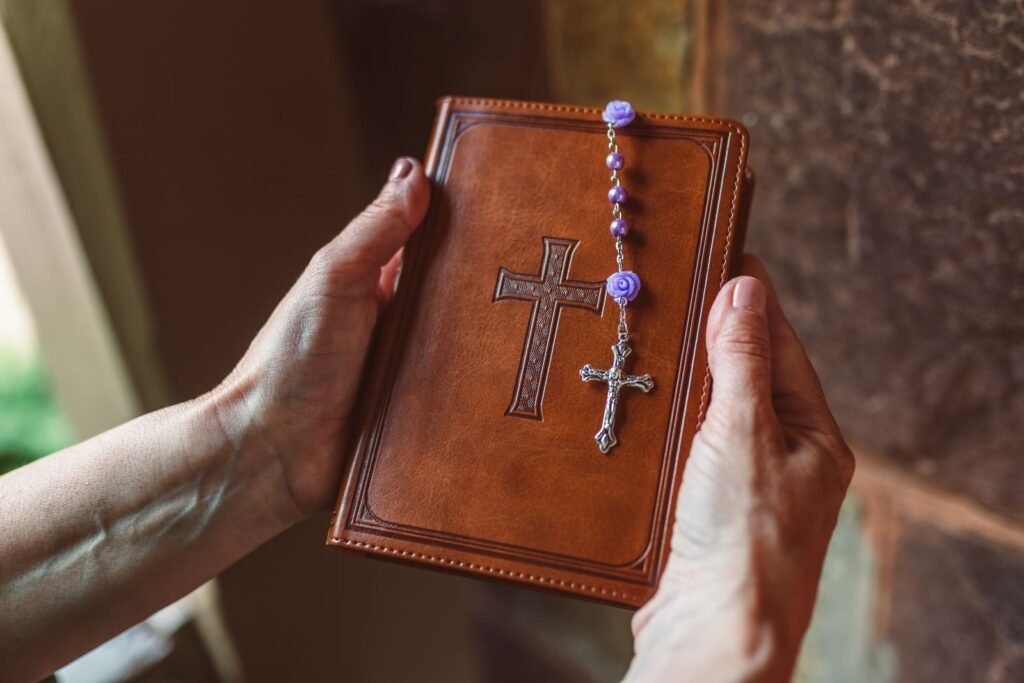
Traditional, faith-centered keepsakes remain the expected category here, and gift guides consistently point to the same core list: a rosary, a saint medal, a children’s Bible, or a simple keepsake box for holding the day’s mementos. These aren’t old-fashioned defaults; they’re what actually gets kept and used at this age.

A leather good can still work here in a supporting role — a small leather-bound keepsake box or a simple leather bookmark for a first Bible, rather than a full wallet a child this age isn’t ready to use daily. Being honest about what actually fits the age matters more than forcing our own product line into an occasion it doesn’t naturally suit.
It’s worth saying directly: if you’re shopping for a First Communion specifically and the child is genuinely seven or eight, a wallet, briefcase, or travel piece from a leather goods brand is very likely the wrong category regardless of how nicely it’s marketed for the occasion. Save that budget for Confirmation a few years later, when the gift will actually get used rather than sit in a drawer waiting for a use case that hasn’t arrived yet.
Confirmation: Where a Leather Wallet Actually Belongs
Confirmation typically lands in the young-teen years, and the gift expectations shift accordingly. This is treated as a step toward adulthood within the faith, and gifts tend to follow that same “growing up” theme — a first wallet, a watch, a journal, something that acknowledges the recipient is old enough for a genuinely adult object now.
| Budget | Fitting Pieces |
|---|---|
| $50–$100 | Pocket Billfold ($111), Passport Wallet ($69) |
| $100–$150 | Zip Wallet ($129) |

Our bar and bat mitzvah gift guide covers the parallel Jewish coming-of-age occasion in more depth, since the underlying gift logic, a first genuinely adult object, applies almost identically across both traditions even though the ceremonies themselves are entirely different.
Personalizing a Confirmation Gift
Initials are the safest choice and work well on a wallet without leaning too heavily into the religious specifics. A confirmation date, or the recipient’s chosen confirmation name, is a more occasion-specific option worth considering if the piece allows for a discreet interior engraving rather than a prominent exterior one.
Our monogram personalization guide covers font and placement choices in more depth, including why a smaller, interior placement often suits a teenager better than a bold exterior monogram at this age.
Gift-Giver Etiquette: Who’s Expected to Give, and How Much
Godparents and grandparents typically give the most substantial gift, while extended family and family friends give something smaller, in the $15 to $50 range depending on closeness. Attending the ceremony itself is generally considered the primary expectation — a gift is a thoughtful addition, not a substitute for showing up.
Godparents in particular often feel pressure to get this one right, since the relationship carries a specific, named responsibility that a regular aunt, uncle, or family friend doesn’t share. That pressure is understandable, but it doesn’t need to translate into overspending — a thoughtful, personalized gift at a moderate budget communicates the relationship just as clearly as an expensive one, and arguably more so if the expensive option skips personalization to hit a price point.

What to Avoid
Cash is common but can feel impersonal for a milestone this specific, particularly from a godparent or close family member who’s expected to put more thought into the choice. Video games, toys, or anything entirely secular for a First Communion specifically tends to miss the tone of the occasion, since the day is meant to center the sacrament, not double as an early birthday.

For Confirmation, the tone loosens considerably since the recipient is older, but a fully secular, generic teen gift still misses an opportunity the occasion offers: acknowledging that this is a deliberate, chosen step the teen took, not just another birthday a year has rolled around to.
This distinction matters more for Confirmation than it might first appear, since unlike a birthday, Confirmation is typically something the teen has actively chosen to go through rather than simply aged into. A gift that acknowledges that choice, even briefly in a card, lands differently than one that treats the day like any other calendar milestone.

Frequently Asked Questions
Is a wallet an appropriate First Communion gift?
It’s better suited to Confirmation, when the recipient is a teenager and likely to actually use one daily. For a First Communion child, typically seven or eight, a religious keepsake is the more fitting and expected choice.
What’s a good budget for a Confirmation gift?
$30 to $100 is typical, with godparents and grandparents often giving toward the higher end and extended family or friends giving somewhat less.
Should I give cash instead of a physical gift?
Cash is common but can feel impersonal for a milestone this specific. A thoughtful physical gift, especially one that can be personalized, tends to be remembered longer.
What’s the difference between First Communion and Confirmation gifts?
First Communion gifts skew toward religious keepsakes for a young child; Confirmation gifts skew toward “grown-up” items like a first wallet, since the recipient is typically a teenager by that point.
How should I personalize a Confirmation gift?
Initials are the safest option. A confirmation date or chosen confirmation name works well as a discreet interior detail rather than a prominent exterior one.
Is it rude to skip a Confirmation ceremony but send a gift?
Attending is generally considered the primary expectation. A gift is a meaningful addition, but it isn’t a substitute for showing up if attendance is realistically possible.
For more on First Communion gift etiquette, see U.S. Catholic’s guide to First Communion gift ideas.