Vegan Leather vs. Real Leather: An Honest Comparison
“Vegan leather” sounds like a straightforward upgrade — same look, no animal involved. The honest picture is more complicated than that, on durability and on the environmental case both sides tend to oversimplify.
This guide compares vegan and real leather fairly, including where vegan leather genuinely wins, and explains where we’ve landed with our own materials.
Neither side of this debate is neutral. Vegan leather marketing leans hard on the ethical framing while glossing over durability and end-of-life impact; traditional leather marketing leans on heritage while rarely mentioning tanning’s own environmental footprint. Both deserve a more honest accounting than either usually gets.
What Is Vegan Leather Actually Made Of?
Most vegan leather is polyurethane (PU) or PVC — plastic coatings bonded to a fabric backing — rather than a plant material on its own. Newer alternatives made from mushroom mycelium, pineapple leaf fiber, or cactus have real plant content, but nearly all of them still rely on plastic resins to bind the material into something durable enough to use.
That last detail is the part marketing tends to leave out. A “cactus leather” or “mushroom leather” bag is genuinely plant-based in part, but it isn’t plastic-free — the plant fiber typically makes up a portion of the material, bonded with the same kind of polyurethane resin used in conventional vegan leather. It’s a meaningful improvement in raw material sourcing, not a wholesale departure from plastic.
Vegan Leather vs. Real Leather: Durability
| Vegan Leather (PU/PVC) | Real Leather (Full-Grain) | |
|---|---|---|
| Typical lifespan | 2–5 years | 10–50 years with care |
| Aging | Cracks, peels, delaminates | Softens, darkens, develops a patina |
| Maintenance | Wipe clean, minimal care needed | Periodic conditioning required |
| Repairability | Limited — coating failure is usually terminal | Can often be conditioned, restored, or repaired |
Quality varies a lot within each category — a well-made PU leather can outlast a cheap, poorly finished real leather. But at comparable quality tiers, real full-grain leather consistently lasts longer.
The failure mode differs too, which matters for how a piece actually looks near the end of its life. Vegan leather tends to fail all at once — the coating cracks or peels in a visible, hard-to-miss way. Real leather degrades more gradually, and even leather that’s overdue for conditioning usually still looks presentable, just dry, rather than visibly falling apart.
Is Vegan Leather Actually Better for the Environment?
This is where the marketing gets ahead of the evidence. Most vegan leather sheds microplastics as its coating breaks down, and it ends up in landfill, where petroleum-based plastic can take centuries to decompose. “Vegan” describes what a material isn’t made from — it doesn’t automatically mean sustainable.
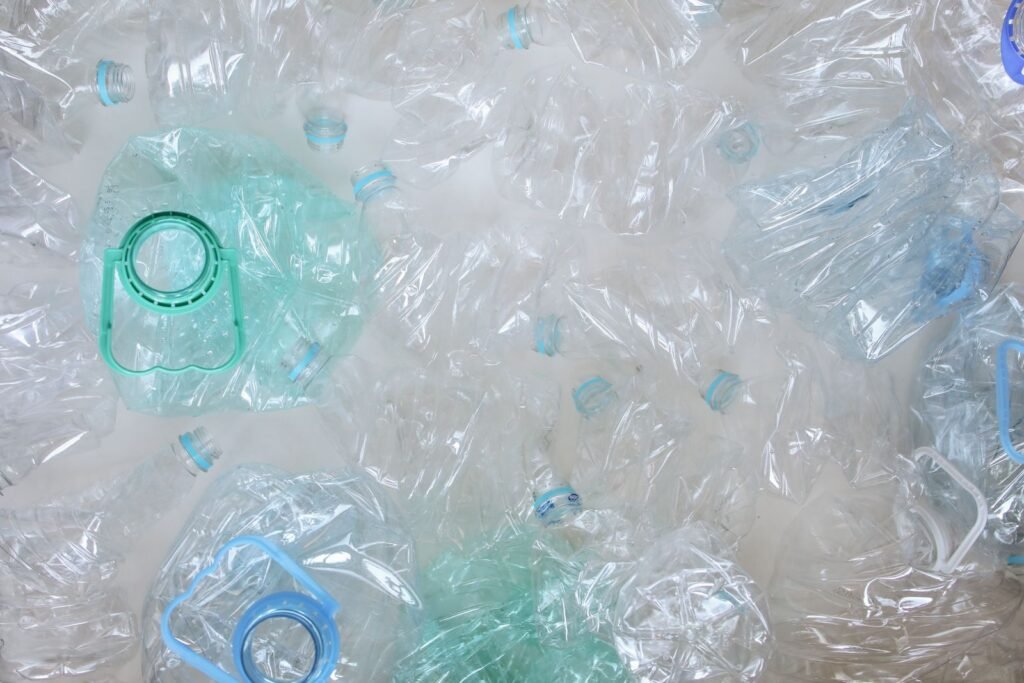
The lifecycle math matters here. One widely cited estimate: a PU vegan bag replaced 12 times over 25 years generates roughly 12 times the manufacturing energy and materials of one durable leather bag maintained over that same span. Real leather isn’t environmentally free either — tanning chemicals and livestock farming carry documented costs — but the comparison isn’t as one-sided as “vegan” branding implies.
The honest version of this comparison isn’t “leather good, vegan bad” or the reverse — it’s that both materials have a real environmental cost, concentrated at different points in their life cycle. Leather’s cost is heaviest at production; vegan leather’s cost is spread across more frequent replacement and slower, plastic-based decomposition at the end.
That framing matters because it changes what “sustainable” actually means for a given purchase. A single well-made leather piece kept for twenty years and a string of five vegan replacements over the same period aren’t remotely equivalent, even though only one of them carries the word “vegan” on the label.
Vegan vs. Real Leather: Pros and Cons
| Vegan Leather | Real Leather | |
|---|---|---|
| Pros | Lower upfront cost, no animal materials, easy surface cleaning | Long lifespan, repairable, develops character with age |
| Cons | Shorter lifespan, microplastic shedding, limited repair options | Higher upfront cost, requires periodic conditioning |
Which Should You Actually Choose?
If you want a lower-commitment, animal-free piece and you’re comfortable replacing it every few years, quality vegan leather is a legitimate choice — not a compromise to feel guilty about. If you want one piece to last decades and you’re weighing genuine long-term cost, our leather bag pricing guide covers the cost-per-wear math that tends to favor full-grain leather over time.
Use case matters as much as values here. A vegan bag that mostly sits in a closet between occasional outings will genuinely outlast one used hard every day, since exposure and handling are what wear vegan coatings down fastest. A daily-carry piece — a work bag, an everyday wallet — is exactly where real leather’s longer lifespan matters most, because that’s the use pattern that punishes a shorter-lived material fastest.
Why We Build With Real, Vegetable-Tanned Leather
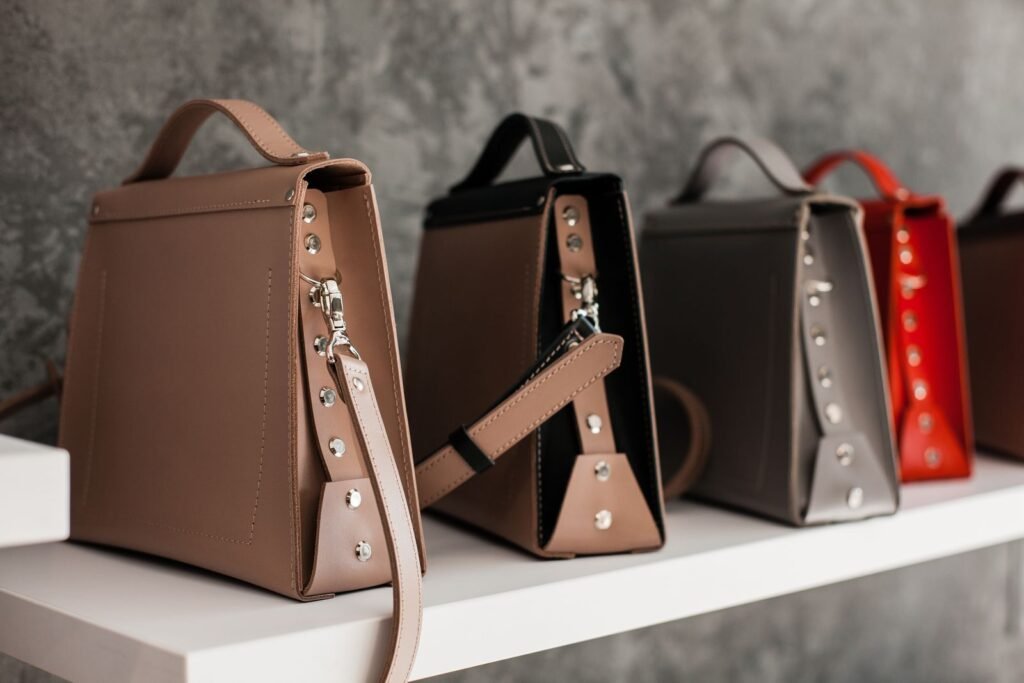
We build exclusively with vegetable-tanned Horween leather, covered in full in our leather guide, specifically because it’s designed to last decades rather than a few years — the opposite priority from most vegan leather on the market. That’s a values-based decision as much as a practical one, and we think it’s worth stating plainly rather than around.
We’re not going to claim that makes us the more ethical choice in every sense — that’s a judgment call every buyer is entitled to make for themselves. What we can say plainly is what the material is, how it’s sourced, and how long it’s built to last, which is the same information this guide has been asking you to look for from any brand, including ours.
Frequently Asked Questions
Is vegan leather made from plants?
Sometimes partially. Most vegan leather is plastic (PU or PVC); newer options use mushroom, pineapple, or cactus fiber, but nearly all still rely on plastic resins for durability.
Is vegan leather more environmentally friendly than real leather?
Not automatically. Vegan leather sheds microplastics and typically lasts only a few years, meaning it’s replaced more often, which can offset or exceed the environmental cost of a durable, long-lasting leather piece.
How long does vegan leather actually last?
Typically 2 to 5 years, depending on quality and use, compared to 10 to 50 years for well-cared-for full-grain real leather.
Can vegan leather be repaired if it cracks?
Rarely in a meaningful way. Once the plastic coating on vegan leather fails, the damage is usually permanent, unlike real leather, which can often be conditioned or professionally restored.
Is it wrong to choose vegan leather?
No. It’s a legitimate choice for animal-free materials or lower upfront cost, as long as you’re realistic about its shorter lifespan and the environmental trade-offs involved.
Is cactus or mushroom leather plastic-free?
Usually not entirely. These materials contain genuine plant fiber, but most are still bonded with polyurethane resin for durability, so they’re a partial rather than complete departure from plastic.
For more on vegan leather’s environmental claims, see The Conversation’s reporting on vegan leather sustainability.