Vegetable-Tanned Horween Leather: What It Is and Why It Matters
“Genuine leather” is one of the least useful phrases in retail. It’s true of almost anything with an animal hide in it somewhere, and it tells you nothing about whether the bag in front of you will look better in ten years or fall apart in two.
The detail that actually matters is how the leather was tanned. Every piece we build — from our leather Dopp kits to our weekender bags — starts as vegetable-tanned Horween® leather, and this guide explains exactly what that means.
What Is Horween Leather?
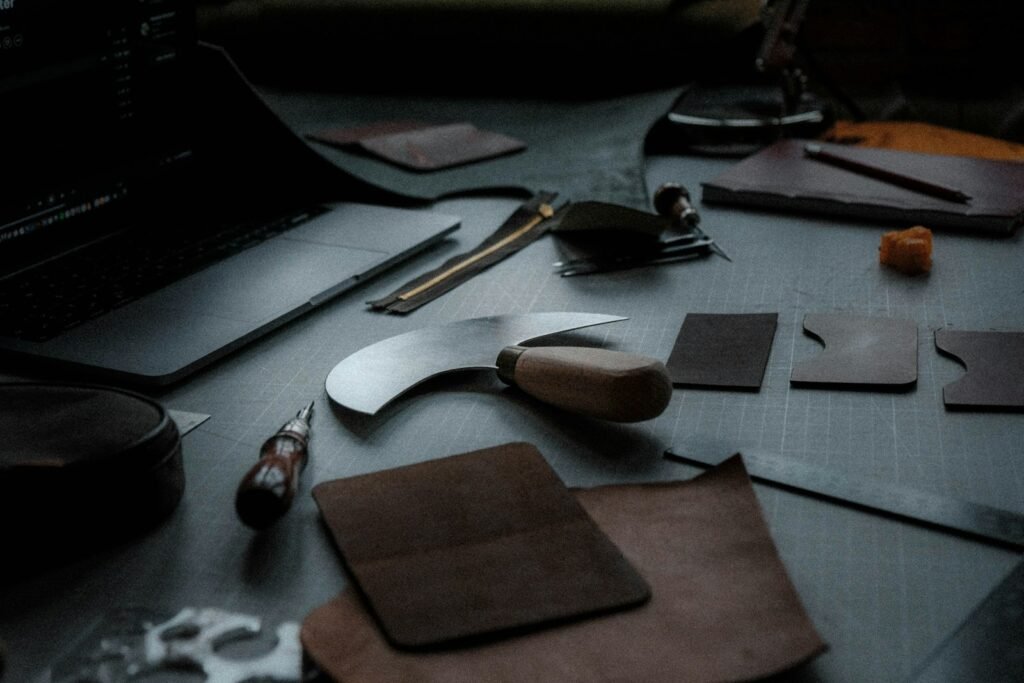
Horween Leather Company has tanned hides in Chicago since 1905, and it’s one of a small handful of American tanneries still processing leather from raw hide through to finished product in-house. That matters more than it sounds: most “leather” sold today passes through several separate facilities, with quality control gaps at every handoff.
See our Horween vs. Italian and English tanneries guide for how it compares to the other traditions you’ll see referenced most often, our guide on how to spot genuine full-grain leather for why the word “genuine” on a label is often less reassuring than it sounds, and our honest comparison of vegan leather versus real leather if you’re weighing the two.
Horween built its reputation on full-grain hides — leather that keeps the outermost, strongest layer of the animal skin intact, rather than sanding it down and printing a fake grain pattern on top the way corrected-grain leather does.
Full-Grain vs. Top-Grain vs. Corrected-Grain
These three terms get used almost interchangeably in product listings, and they shouldn’t be. Full-grain leather is the entire, unaltered top layer of the hide, including its natural texture and any small marks — which is exactly what allows it to develop a deep patina.
Top-grain leather has that outer layer sanded down and refinished for a more uniform look, trading some durability and character for consistency. Corrected-grain goes further still, sanding away imperfections entirely and stamping on an artificial grain pattern — the leather equivalent of laminate flooring standing in for hardwood.
Vegetable-Tanned vs. Chrome-Tanned: The Real Difference
“Tanning” is the chemical process that turns a raw hide into stable leather. There are two dominant methods, and they produce almost opposite results.
How Each Is Made
Chrome tanning uses chromium salts and can finish a hide in about a day. It’s how roughly 90% of the world’s leather is produced, largely because it’s fast and cheap at scale. Vegetable tanning uses natural tannins drawn from tree bark, and it takes weeks — sometimes close to two months — to cure a single hide properly.
Vegetable-Tanned vs. Chrome-Tanned Leather
| Vegetable-Tanned | Chrome-Tanned | |
|---|---|---|
| Tanning time | Several weeks to ~2 months | About a day |
| Feel when new | Firm, structured | Soft immediately |
| Water resistance (raw) | Lower, absorbs oils | Higher, more waterproof |
| How it ages | Develops a rich, deepening patina | Doesn’t patina; eventually cracks |
| Environmental profile | Biodegradable, more water-intensive process | Faster, but chromium byproducts to manage |
| Best for | Goods meant to be kept for decades | Everyday, low-maintenance items |
Neither is “fake” leather — both are real hide. But only one of them is designed to still look good after a decade of actual use, which is the entire premise of building a bag from vegetable-tanned Horween leather in the first place.
Why Vegetable-Tanned Leather Develops a Patina
Patina is what happens when unpigmented, vegetable-tanned leather reacts to light, air, and the natural oils from your hands. UV exposure darkens the surface; handling burnishes the high-contact points — corners, edges, the spot where your thumb rests on a wallet — faster than the rest.
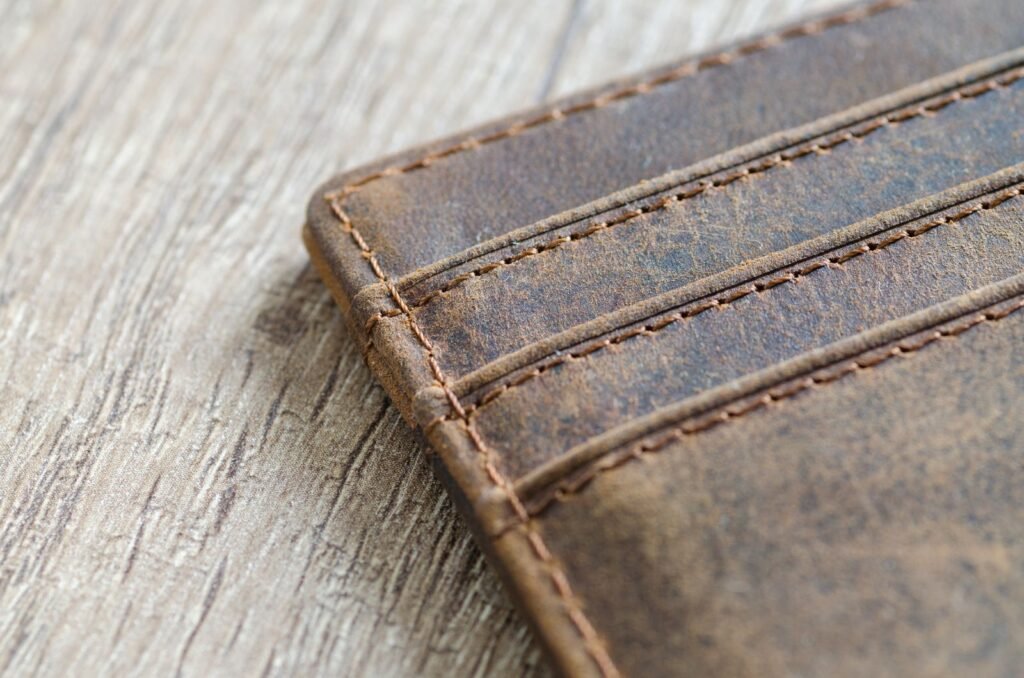
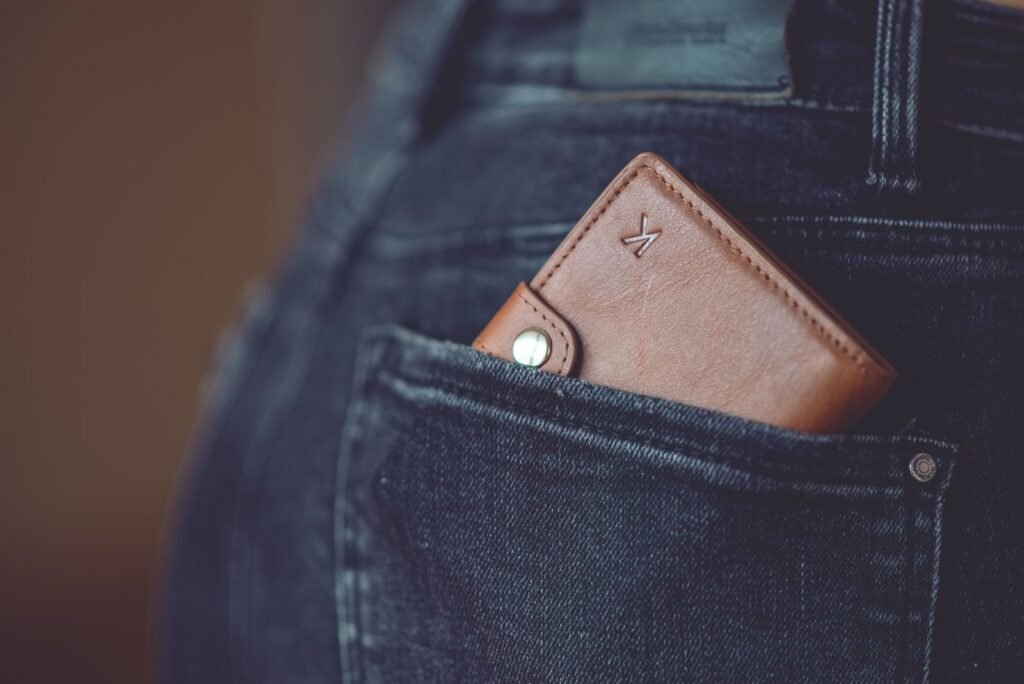
It happens gradually. The first few weeks show a stiff, uniform tone. By the first month, the edges of a daily-carried wallet or the strap-contact points of a briefcase start to darken first. No two pieces age identically, because no two people use them identically — which is exactly the point.
Leather-Buying Myths, Debunked
- Myth: “Genuine leather” is a mark of quality. It’s actually the lowest tier the labeling system recognizes — below full-grain and top-grain — often made from bonded scraps and heavily coated. Our leather grades explained guide breaks down all four grades and why each one ages so differently.
- Myth: A scratch means the leather is defective. On vegetable-tanned leather, light marks are normal and typically blend into the surface as the patina develops, rather than staying as visible damage — see our warranty and return policy guide for why this distinction also matters for what a warranty will and won’t cover, and our wallet lifespan guide for how to tell patina from actual wear on a daily-carry piece.
- Myth: Darker leather is always older leather. Some colors, like Espresso, start dark. The tell isn’t the base color — it’s uneven darkening concentrated at corners, edges, and handling points.
- Myth: All leather needs the same care. Chrome-tanned leather tolerates more moisture and less conditioning; vegetable-tanned leather needs the opposite — less water, more periodic conditioning.
This same knowledge is what separates a good vintage find from a costly mistake — our guide to buying vintage and secondhand leather covers how to tell healthy aging from genuine damage before you buy.
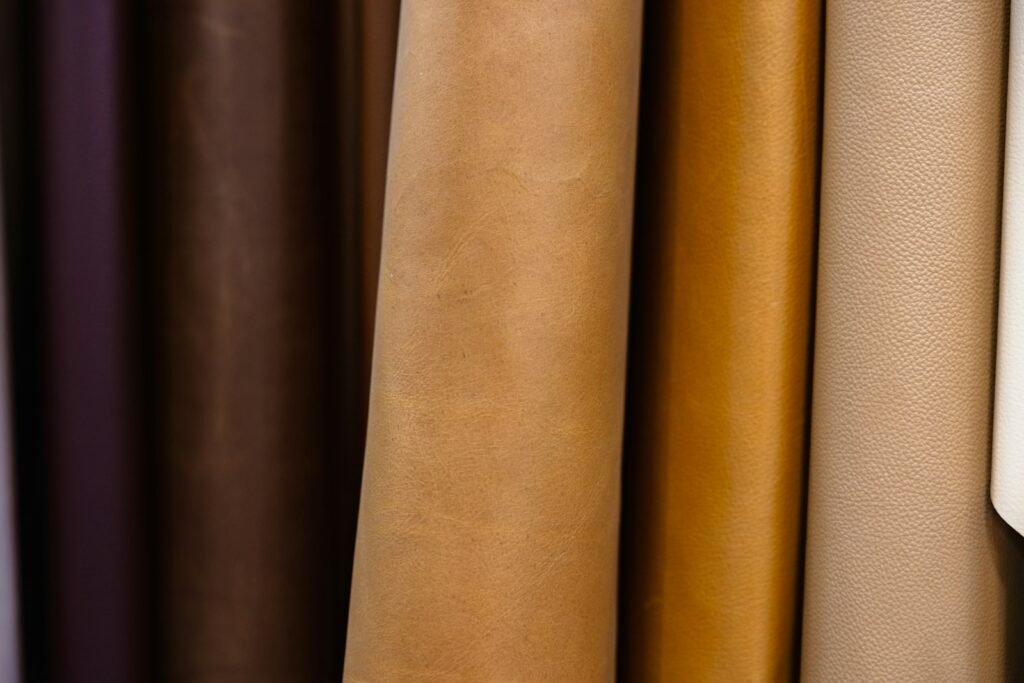
Our Color Palette, and Where Each One Shows Up
Every color in the Libero Ferrero line starts from the same vegetable-tanned Horween hide — only the finishing changes. Here’s where each one appears across the collection. If you’re weighing which one actually fits your wardrobe, our leather bag color guide breaks the decision down by wardrobe tone and formality.
For anyone weighing the environmental case for this tanning method specifically, our leather sustainability guide covers what the data actually says, including where the case is stronger and where it’s more contested than marketing copy usually admits.
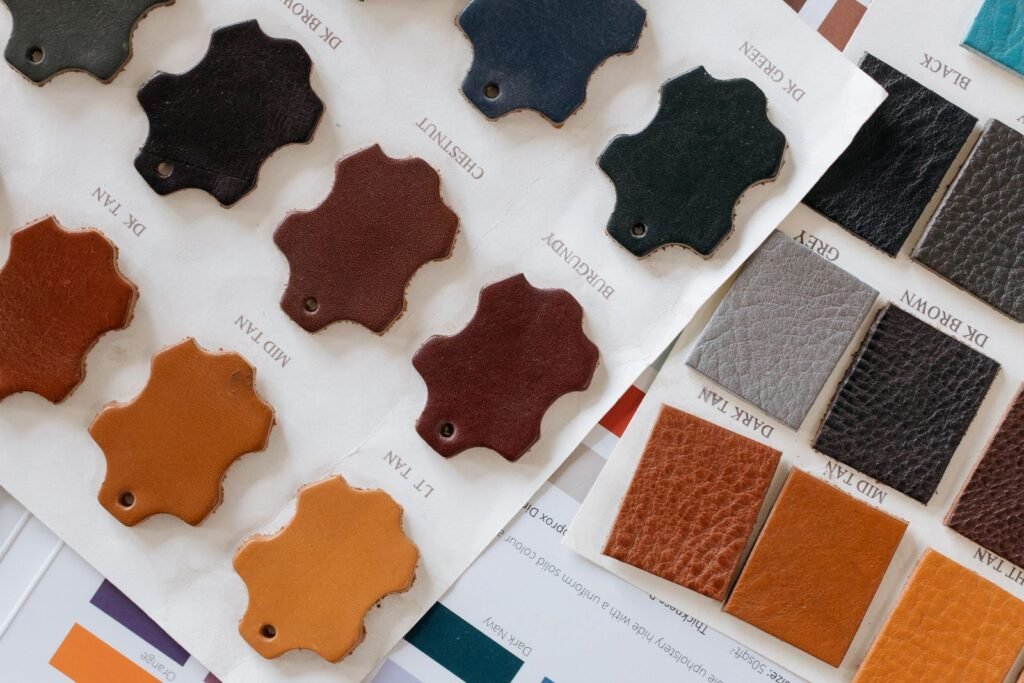
| Color | Where You’ll Find It | Character |
|---|---|---|
| Hickory | Zip Wallet, Portage bag, James Case | Warm mid-brown, ages toward deep amber |
| Ink | Pocket Billfold, Passport Wallet | Near-black with a blue undertone that never fully flattens |
| Espresso | GI Dopp Kit, Portage bag, James Case | Dark roast brown, deepens further with handling |
| Glove Tan | GI Dopp Kit | Lightest tone in the line; warms noticeably fastest |
| Oxblood | Raw Tote | Deep burgundy-brown, richens toward maroon |
| Black | Balfour, Thompson Bag, Suede Slim Briefcase trim | True black, patinas subtly rather than dramatically |
| Azure | Slim Briefcase | Rare blue tone that shows off how deep veg-tan dye actually runs |
| Tobacco | Slim Briefcase | Warm gold-brown, a lighter cousin of Hickory |
How This Shows Up in the Craftsmanship
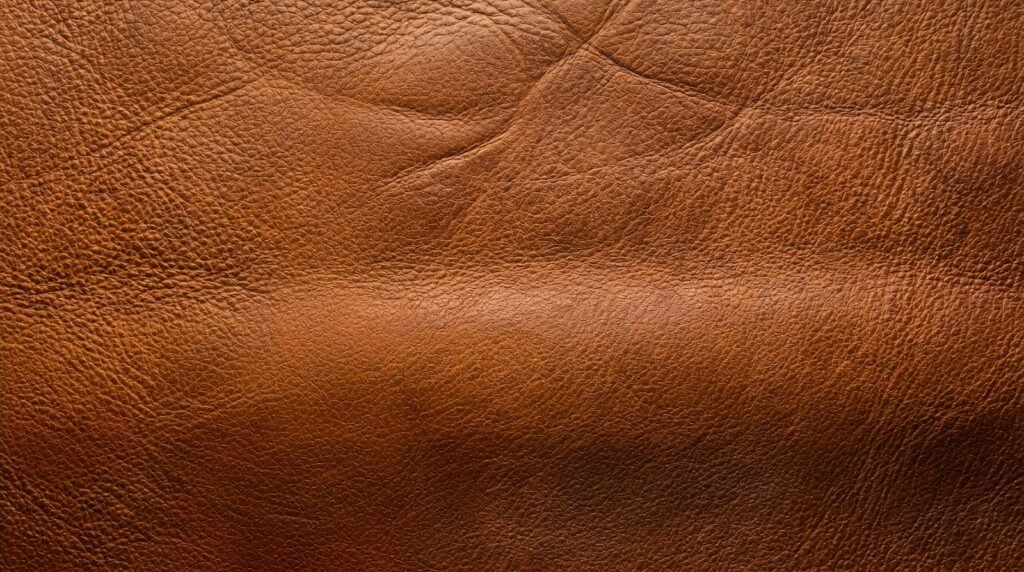
Vegetable-tanned leather also takes stitching and edge work differently than chrome-tanned hide — it’s firmer, so hand-finished edges and saddle stitching hold their shape better over time instead of stretching loose. You can see how that plays out in our own workshop process on the craftsmanship page, and read why we committed to a single leather standard across the whole line on our our story page.
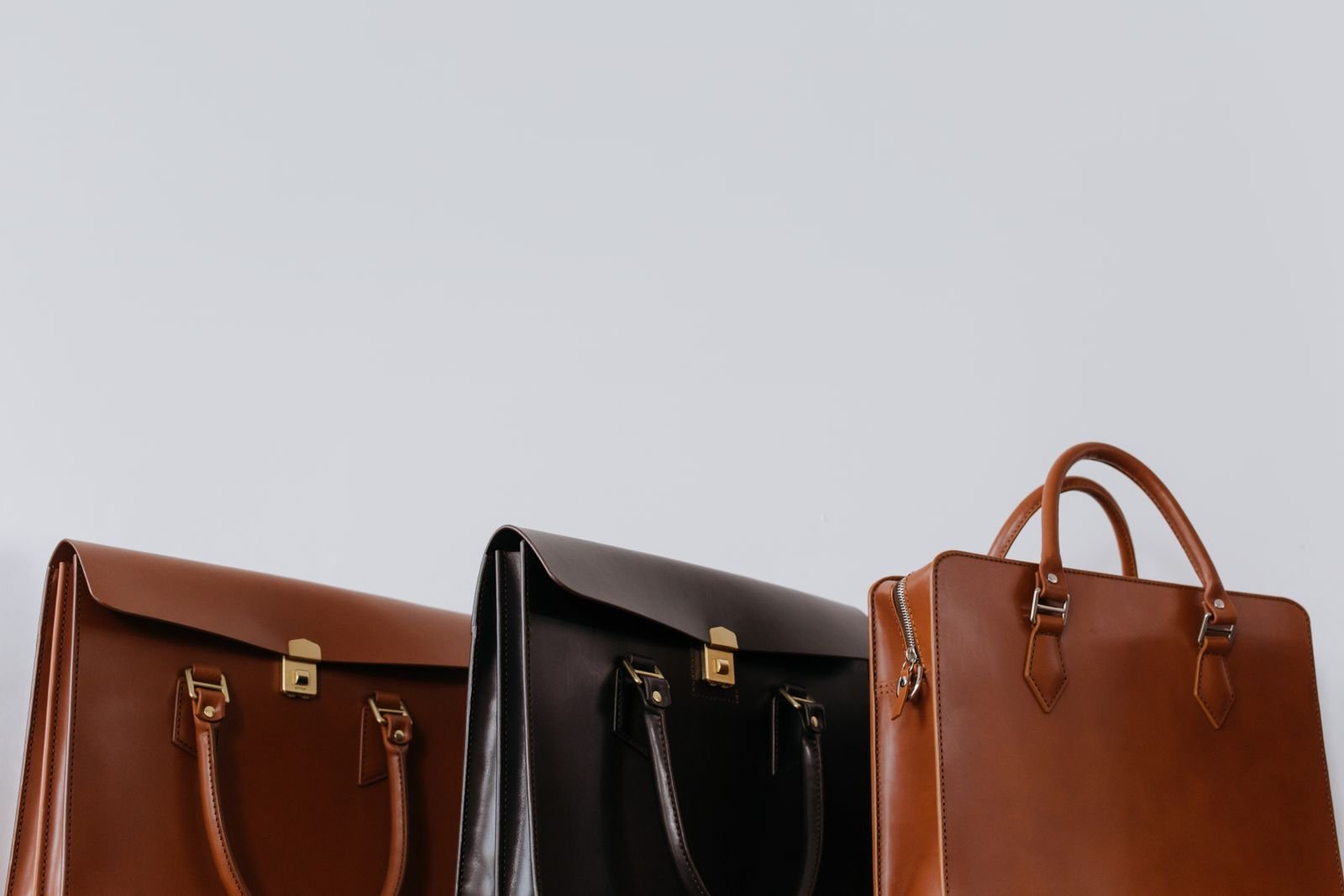
That same firmness is exactly what gives our Slim Briefcase and Portage work bags their structure — see our full briefcase buying guide for how the two compare. It’s also why our Ink and Hickory wallets and billfolds hold their shape through daily handling instead of going soft and shapeless within a year. Oxblood is the one color in the line worth a closer look on its own — see our Oxblood Raw Tote guide for how that color patinas differently from the rest.
Caring for Vegetable-Tanned Horween Leather
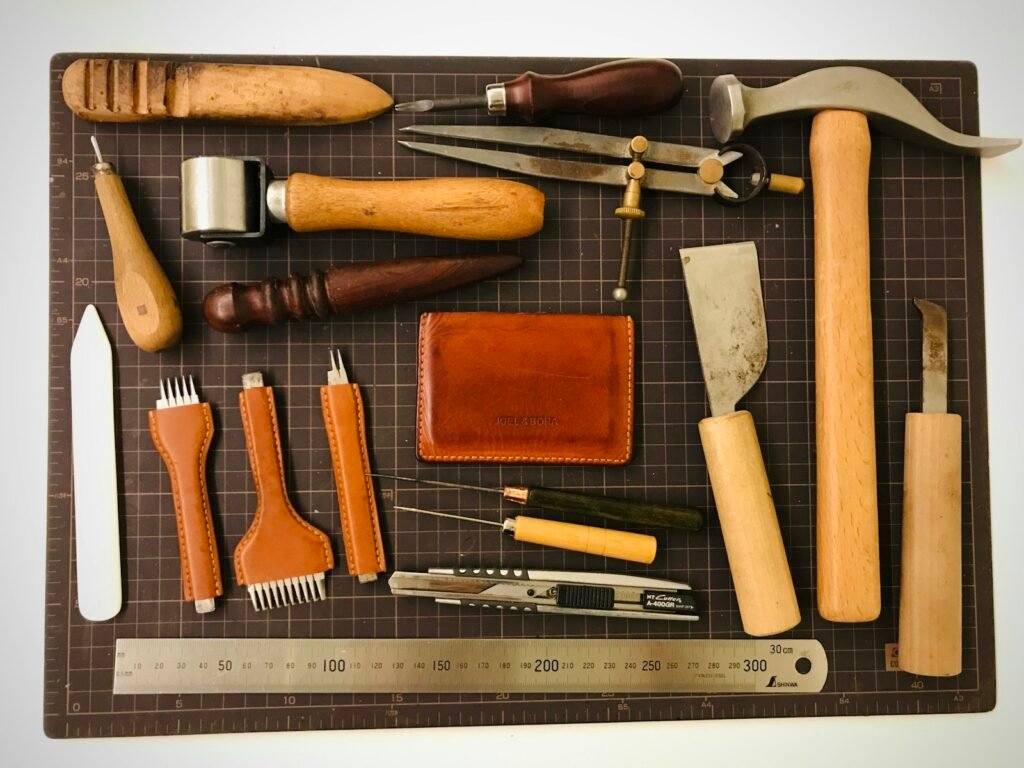
The short version: wipe with a barely damp cloth, condition every few months rather than every few weeks, and keep it out of direct sun and standing water between uses. If you own one of our GI Dopp Kits, our Dopp kit buying guide covers the full cleaning and conditioning routine step by step — the same rules apply to every bag and wallet in the line. If something’s already spilled on it, our stain removal guide covers ink, oil, wine, and water spots specifically.
Shopping for someone else rather than yourself? Our leather gift guide maps every piece in the line by occasion, budget, and the kind of person you’re buying for.
Not using a piece for a while? Our guide on how to store leather bags and wallets covers the humidity, temperature, and dust-bag details that matter between uses. And if you’re not sure which products to actually buy, our leather care kit guide breaks down what’s essential versus what you can skip. If a piece is already damaged rather than just due for maintenance, our repair versus replace guide covers how to decide whether it’s worth fixing.
Frequently Asked Questions
Is Horween leather better than “genuine leather”?
“Genuine leather” is a legal labeling term that just means real animal hide — it says nothing about tanning method or grain quality. Horween’s full-grain, vegetable-tanned leather is a specific, higher standard within that broad category.
Does vegetable-tanned leather scratch or mark easily?
Yes, and that’s by design. Light surface marks are part of how the patina forms; most fade or blend into the leather’s color as it darkens with handling.
Is vegetable-tanned leather waterproof?
Not inherently — it’s more absorbent than chrome-tanned leather when untreated. Wipe off moisture promptly and avoid prolonged soaking; a light conditioner adds some water resistance over time.
How long does it take for vegetable-tanned leather to patina?
Visible darkening at high-contact points typically starts within the first month of regular use, with the fuller patina developing over one to two years, depending on handling and sun exposure.
Why do all Libero Ferrero products use the same leather?
A single leather standard means every color in the line ages consistently and predictably, so a wallet, a briefcase, and a Dopp kit bought years apart still age the same way and belong together.
For more on Horween’s tanning process directly from the source, see the Horween Leather Company site.