Leather Briefcase Buying Guide: Size, Material & Fit
The briefcase is the one work accessory that’s supposedly on its way out, replaced by backpacks and canvas totes — and yet it hasn’t actually gone anywhere. What’s changed is that buyers now have to work harder to tell a well-built one from a bag that just looks like it in a product photo.
This guide covers how to choose, sized against our own two carry styles — the Slim Briefcase and the Portage — so you can see the trade-offs against real dimensions instead of marketing copy.
We build both silhouettes for the same reason airlines keep more than one cabin: “a briefcase” isn’t one job. A single laptop and a folder of documents is a different carrying problem than a laptop, a tablet, a charger pouch, and a water bottle, and no one bag shape solves both equally well.
Briefcase vs. Messenger Bag vs. Backpack: Which Fits Your Commute?
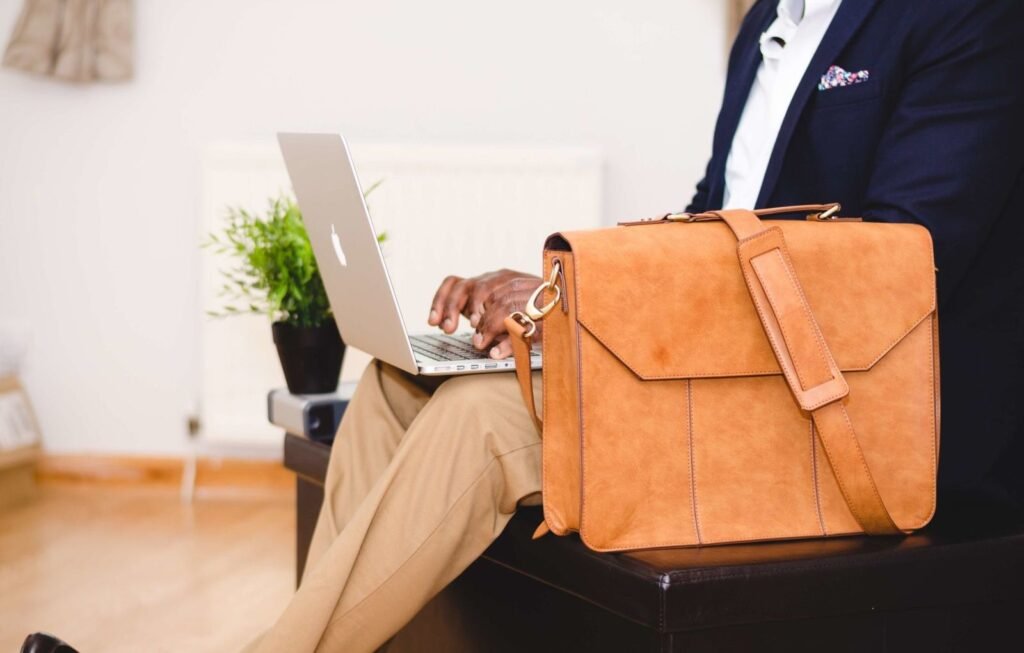
Before comparing leather quality, it’s worth confirming the format itself is right. Each of the three main formats sends a different message and solves a different physical problem.
| Format | Best For | Trade-off |
|---|---|---|
| Briefcase | Formal settings, structured organization, desk-to-desk days | Less comfortable on foot for long stretches or standing transit |
| Messenger bag | Hands-free mobility, crowded commutes, cycling | Softer structure; contents shift and settle |
| Backpack | Heavier loads, longer walks, casual dress codes | Reads informal in traditional office settings |
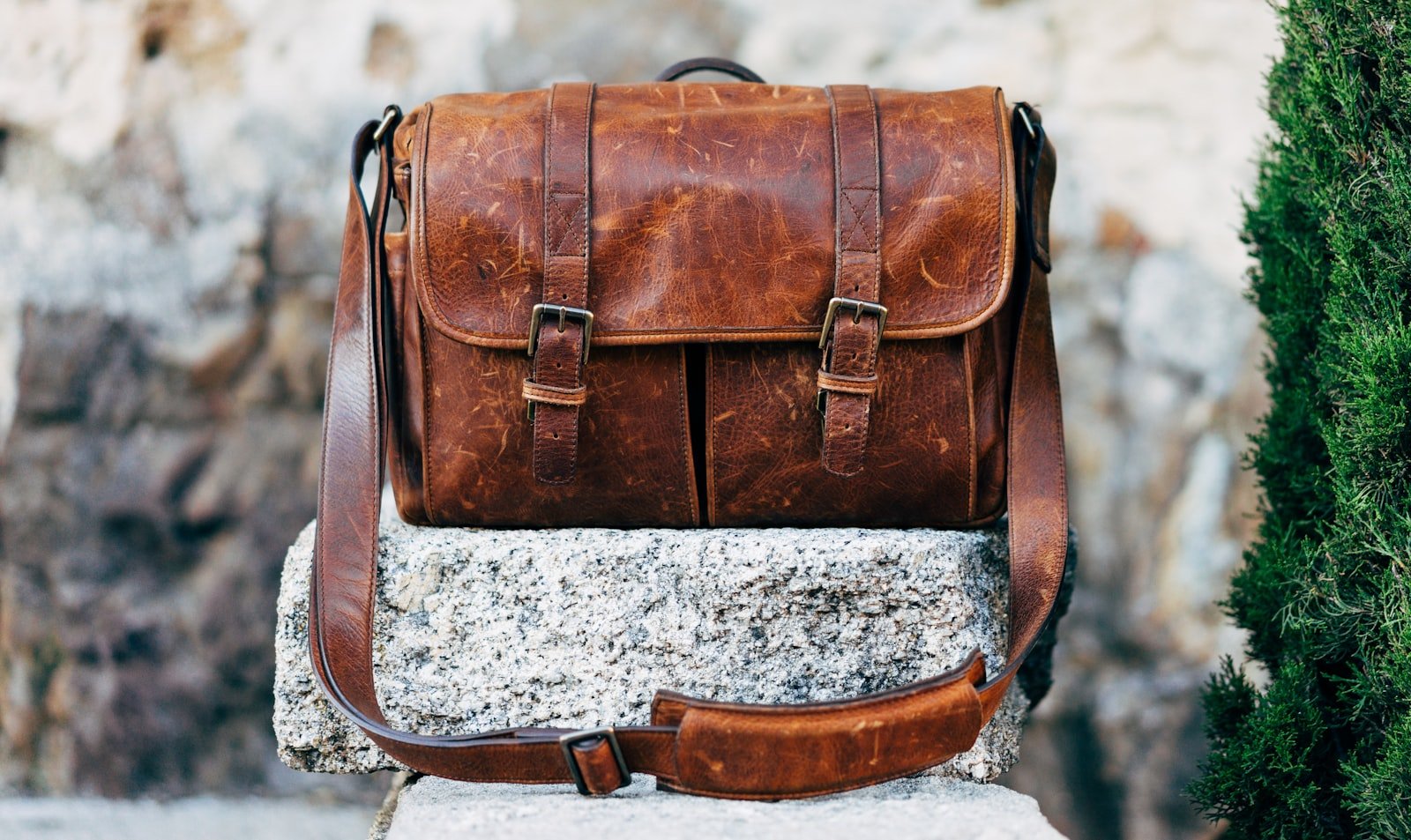
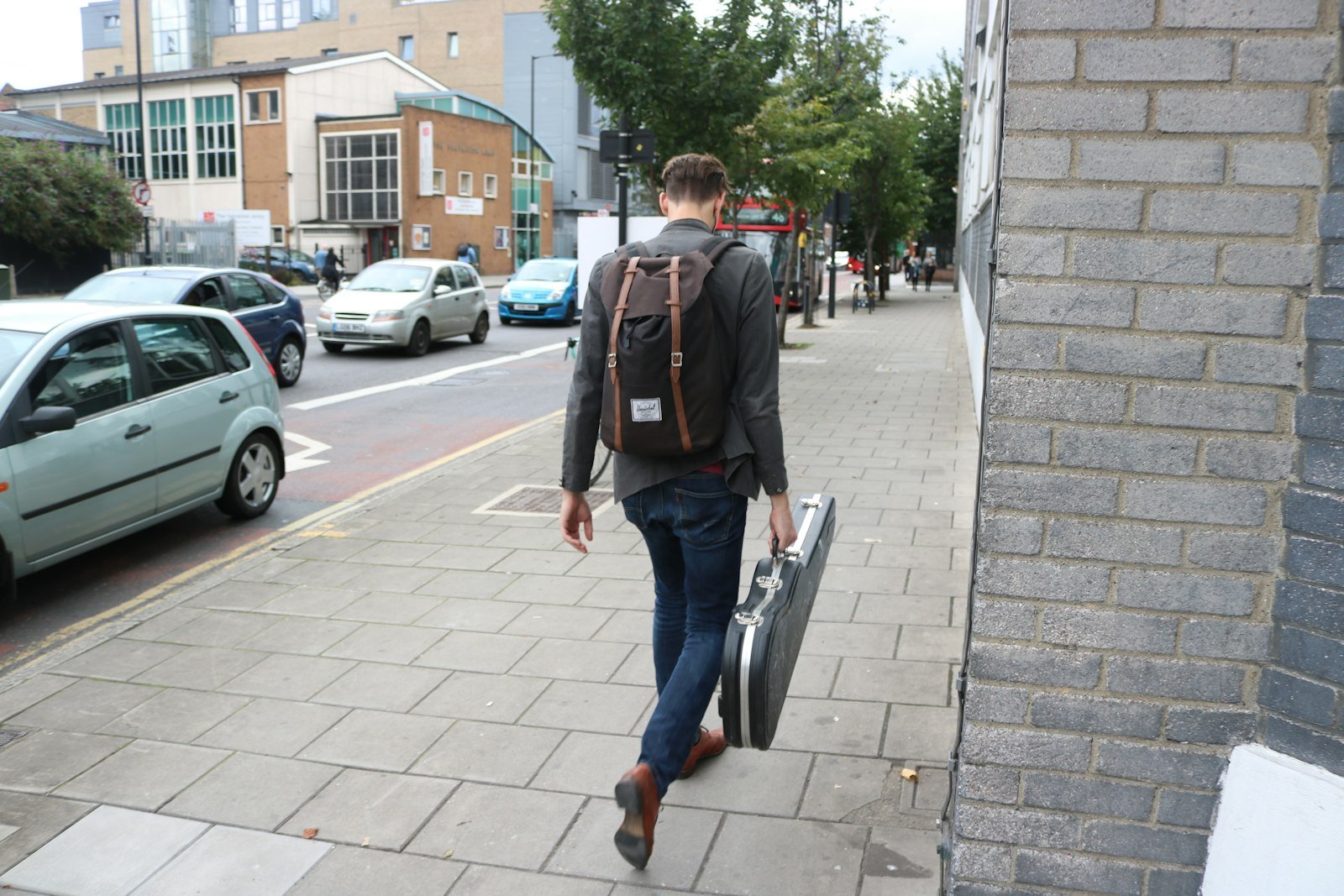
If your commute is mostly transit or walking and your dress code allows it, a messenger-style bag or a backpack genuinely is more comfortable. A briefcase earns its place when the setting rewards structure — client meetings, formal offices, anywhere first impressions are part of the job. If your commute is by bike specifically, our guide to leather bags for bike commuters covers the crossbody format and weatherproofing steps that matter most for cycling.
A useful test: picture setting the bag down at a conference table. A briefcase sits upright and stays organized on its own; a messenger bag or backpack has to be propped against a chair leg or hung on a hook. If that scene matters to your workday more often than not, the briefcase format is worth the slight loss in commute comfort.
This choice matters even more if you’re rebuilding a commute kit from scratch after a long stretch of remote work, where the old bag either doesn’t fit the current dress code or simply never had to survive a real commute in the first place. Our returning to office guide covers that transition specifically, including how to prioritize spending on a refresh.
A new briefcase is also one of the more fitting gifts for a promotion into a role with more client-facing responsibility. Our promotion gift guide covers budgeting that gift by relationship, including the etiquette differences between gifting a boss versus a direct report.
What to Check Before Buying a Leather Briefcase
Laptop Compartment: Interior, Not Exterior, Dimensions
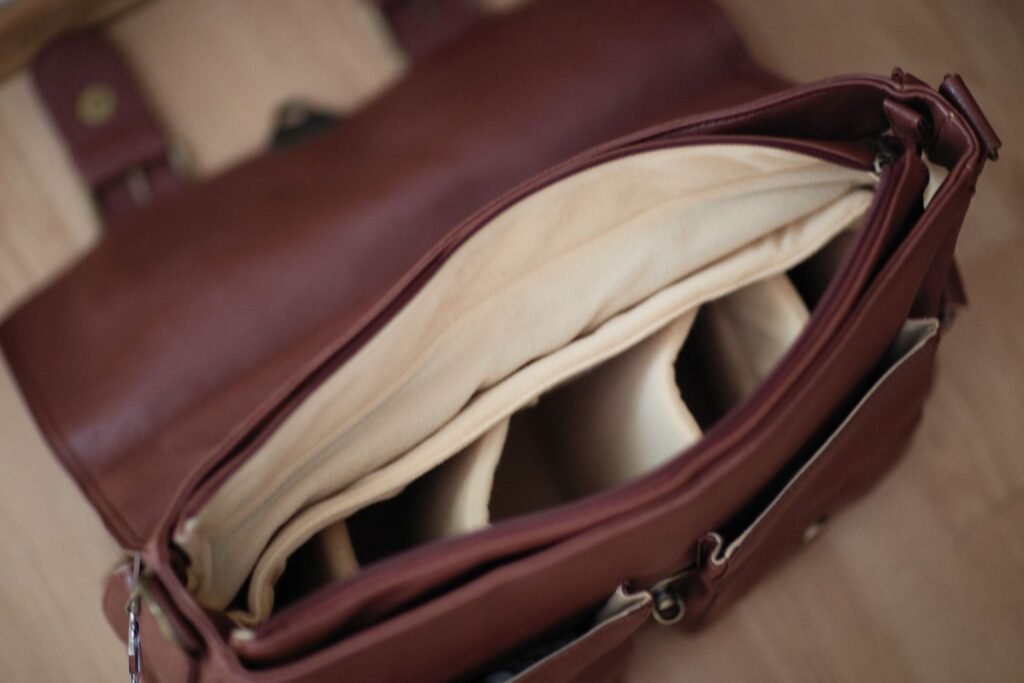
A briefcase listed as “16 inches” almost never has a 16-inch interior laptop sleeve — leather thickness and padding eat into that number fast. Always check the stated interior sleeve dimension against your actual laptop, not the bag’s outer measurement. Our sizing and measurement guide covers exactly how to measure a laptop’s real body dimensions before comparing it against any bag’s spec sheet.
Leather Quality
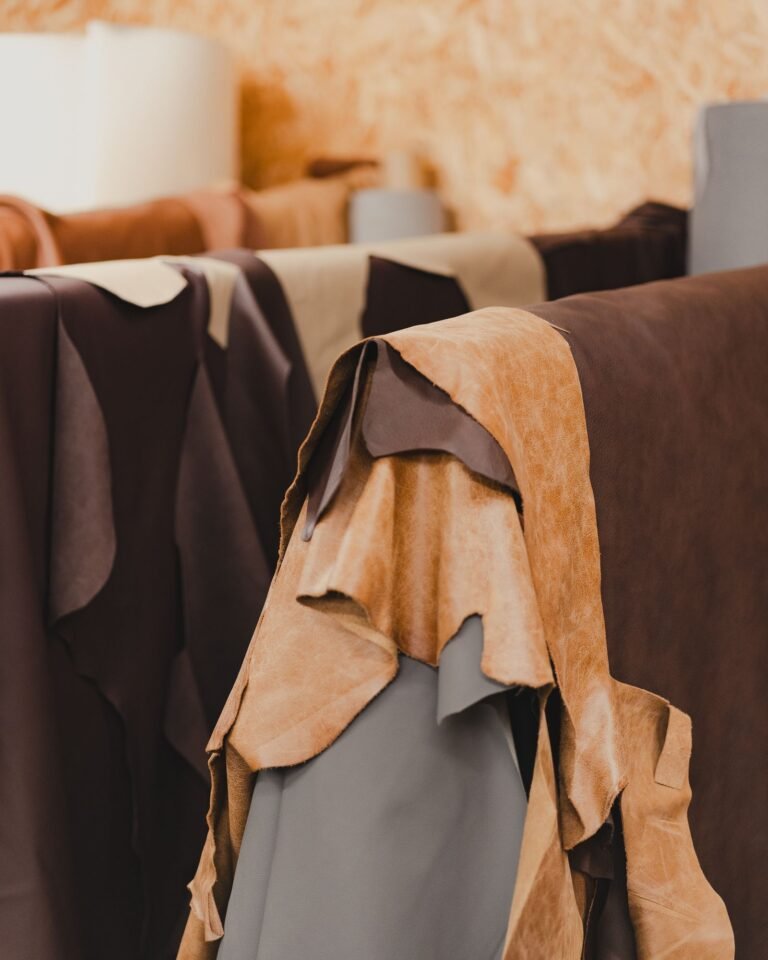
Full-grain, vegetable-tanned leather holds up longest and develops a patina instead of cracking; top-grain is a reasonable step down. If you want the full explanation of tanning methods and what to avoid, we cover it in our guide to vegetable-tanned Horween leather.
Hardware and Straps
Solid brass or nickel hardware outlasts plated pot-metal by decades, and a removable, adjustable shoulder strap gives you the option to carry it by hand in a meeting and over the shoulder on the walk there.
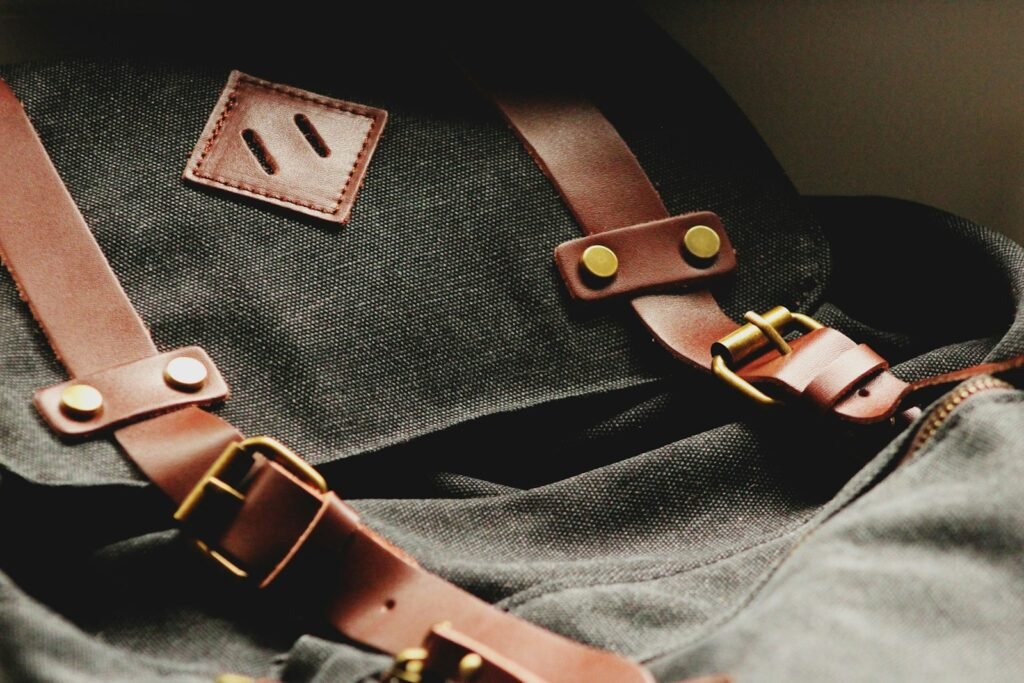
Check the stitching at the strap attachment points specifically — that’s the single highest-stress area on any briefcase, and it’s usually the first place a poorly built bag fails. Rivets or box-stitched anchor points hold up far longer than a straight line of stitching alone.
How you pack the bag day to day affects this too — our daily carry organization guide covers weight distribution and why keeping heavy items close to your body reduces strain on exactly these attachment points. If you’re flying with the bag, our airport security guide covers what to expect at the checkpoint with brass hardware and a laptop compartment.
Slim Briefcase vs. Portage: Two Ways to Carry
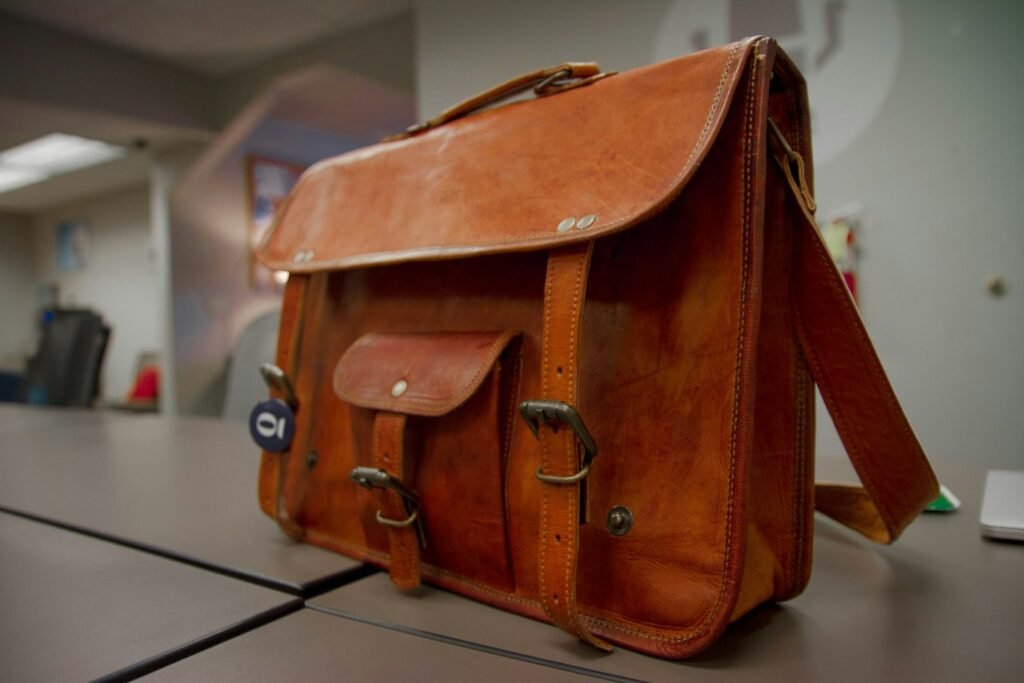
Both of ours are built from custom vegetable-tanned Horween® leather with Holland & Sherry wool-lined interiors and solid brass hardware — the difference is shape and organization, not material quality. The Slim Briefcase line is also handmade in New York City, for anyone weighing domestic construction as part of the decision.
| Bag | Dimensions | Organization | Leather | Price |
|---|---|---|---|---|
| Azure Slim Briefcase | 15.5″ × 10.5″ × 2.5″ | Single main compartment, 15.5″ laptop sleeve | Horween Azure, vegetable-tanned | $585 |
| Black Suede Slim Briefcase | 15.5″ × 10.5″ × 2.5″ | Single main compartment, 15.5″ laptop sleeve | Suede with Horween leather trim | $625 |
| Slim Briefcase Tobacco | 15.5″ × 10.5″ × 2.5″ | Single main compartment, 15.5″ laptop sleeve | Horween Tobacco, vegetable-tanned | $585 |
| Portage (Hickory or Espresso) | 15.5″ × 4.5″ × 11.5″ | Three external pockets + internal laptop/tablet sleeve | Horween Hickory or Espresso, vegetable-tanned | $680 |
The Slim Briefcase is the right call if you mostly carry a laptop and a few documents and want the flattest possible profile. The Portage is built for people who carry more — a tablet, a charger pouch, a water bottle — and want dedicated exterior pockets instead of one open interior.
If you’re working remotely from the same coworking desk for weeks at a time rather than commuting to an office, the same trade-offs apply, with a few extra considerations covered in our digital nomad leather gear guide. For how this choice plays out across different jobs specifically, see our leather goods by profession guide.
How to Break In a New Leather Briefcase
Vegetable-tanned leather is firm out of the box by design — that structure is what lets it hold its shape for years instead of collapsing into a slouchy bag by month three. It softens naturally with handling, and there’s no shortcut worth taking to speed that up.
- Carry it, don’t force it. Normal daily use breaks in the leather faster and more evenly than any product you can apply.
- Skip the oil in the first few weeks. Conditioning too early can darken vegetable-tanned leather unevenly before it’s had a chance to flex naturally.
- Expect the handle and strap contact points to soften first. That’s the leather responding to the exact pressure and oils from your grip, which is the beginning of its patina.
- Store it upright, not flat, when not in use, so the structured shape doesn’t develop a permanent crease.
Is a Suede Briefcase Practical for Daily Work Use?
Suede is genuinely more delicate than full-grain leather — it’s cut from the underside of the hide, so it marks more easily and needs different care. It’s a fair question to ask before buying one for daily use.

| Full-Grain Leather | Suede | |
|---|---|---|
| Water resistance | Moderate, improves with conditioning | Low, stains visibly if soaked |
| Scuff resistance | High, marks blend into patina | Lower, needs a suede brush to lift marks |
| Look | Structured, classic | Soft matte texture, dressier and more distinctive |
| Best for | Daily use in any weather | Office-to-dinner days; keep it out of the rain |
Our Black Suede Slim Briefcase pairs the suede exterior with Horween leather trim at the handles and edges — the points that take the most wear — so the parts under the most stress are still full-grain leather. Keep a suede brush and a protector spray on hand and treat wet weather as the one thing to actually plan around — our full suede care guide covers cleaning, stain removal, and what to do if it gets wet.
Frequently Asked Questions
What size briefcase do I need for a 15-inch laptop?
Look for an interior laptop sleeve of at least 15.5 inches to comfortably fit a 15-inch laptop with its sleeve or case; both our Slim Briefcase and Portage accommodate this size.
Is a leather briefcase better than a backpack for work?
Neither is universally better — a briefcase suits formal settings and structured carry, while a backpack is more comfortable for longer walks or heavier daily loads.
How long should a full-grain leather briefcase last?
With basic care, a full-grain vegetable-tanned leather briefcase can reasonably last 10 to 20+ years, developing a deeper patina rather than wearing out.
Is a suede briefcase practical for everyday use?
Yes, with reasonable precautions — avoid heavy rain, brush off surface dirt regularly, and apply a suede protector spray periodically. It’s less forgiving than full-grain leather but far from impractical.
What’s the difference between the Slim Briefcase and the Portage?
The Slim Briefcase is a flatter, single-compartment bag built around a 15.5″ laptop; the Portage adds three external pockets for people who carry more than a laptop and documents.
For more detail on real-world quality checks before buying, Real Men Real Style’s briefcase quality checklist is a solid independent reference alongside this guide.