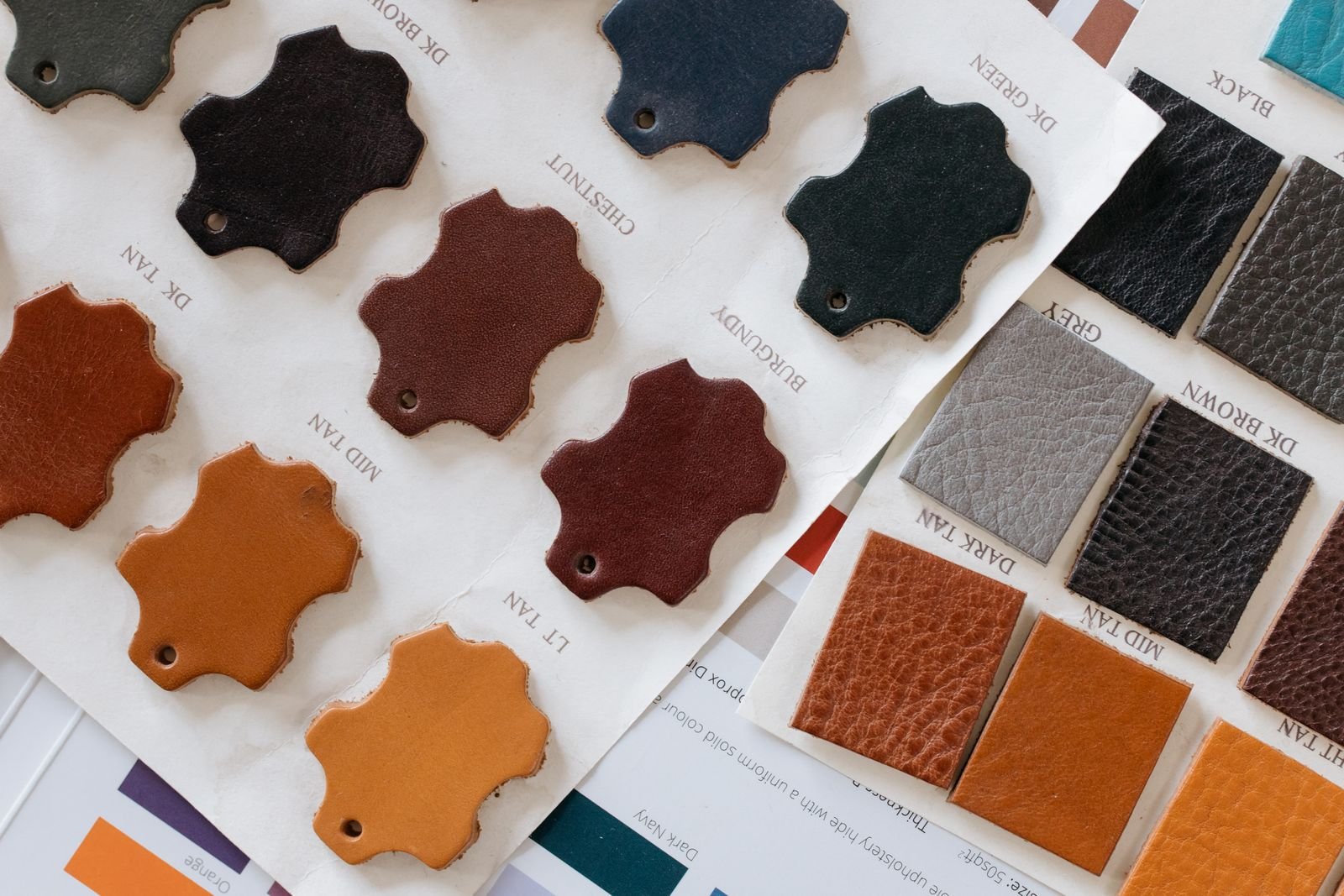
Leather Bag Color Guide: Black vs. Brown vs. Tan vs. Oxblood
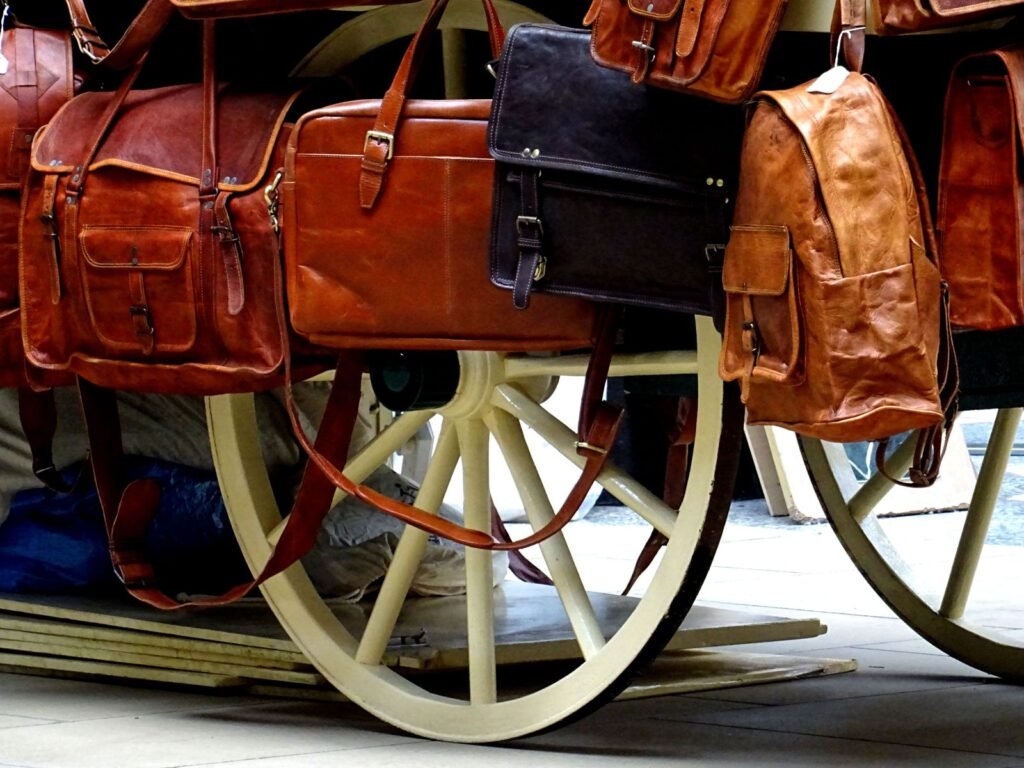
“Just get black, it goes with everything” is the most common leather bag advice out there, and it’s only half true. Black is genuinely the safest choice for a wardrobe built around navy, grey, and white — but it’s a mismatch for a closet full of camel, olive, and warm earth tones, where a brown-based color actually coordinates better.
The right color depends on your wardrobe and how formal your daily context is, not on any single “safest” universal answer. This guide breaks down how to actually choose, using our own color line as the concrete reference point.
Cognac and similar warm mid-browns get recommended constantly online as the one color that bridges everything, and there’s real truth to that for someone starting from scratch with no strong wardrobe lean either way. But “bridges everything” isn’t the same as “best for you” if your closet already leans decisively toward one temperature or the other.
Match the Color to Your Wardrobe
| Wardrobe Type | Best Bag Color Family | Why |
|---|---|---|
| Cool neutrals (navy, grey, white, black) | Black or Ink | Matches the cool undertone already in your clothing |
| Warm neutrals (camel, olive, cream, tan) | Hickory or Tobacco | Coordinates with warm undertones instead of clashing against them |
| Mixed or evolving wardrobe | Espresso | Dark enough to read neutral, warm enough to bridge both |
| Wants a distinctive, less common choice | Oxblood | Reads as a considered statement rather than a safe default |
This is the single most useful test before buying: pull three items you wear most often and check whether they lean warm or cool. That answer predicts your best bag color far more reliably than any general “most popular” ranking.
Metal hardware matters here too, though it’s often overlooked. Warmer leather tones tend to pair more naturally with brass or gold-toned hardware, while black and Ink read cleanest with nickel or gunmetal fittings. If a piece offers a hardware choice, matching it to your leather’s temperature reinforces the same coordination logic as matching the leather to your wardrobe.

What Each Color Signals
| Color | Reads As | Best For |
|---|---|---|
| Black | Sharp, formal, consistent | Conservative offices, formal client-facing work |
| Ink | Formal with subtle depth | Same formal contexts, with more visual character up close |
| Espresso | Warm but still professional | Business-casual offices, a bridge between formal and relaxed |
| Hickory / Tobacco | Approachable, versatile | Casual-to-business-casual, everyday carry |
| Glove Tan | Casual, relaxed | Weekend use, develops the most dramatic patina over time |
| Oxblood | Distinctive, considered | Anyone wanting a signature color instead of a neutral default |
How Each Color Ages
This is where the decision gets more interesting than a simple style preference, since vegetable-tanned leather’s aging behavior differs meaningfully by starting color. Our Horween leather guide covers the mechanics of patina in full, but the short version for color selection specifically:
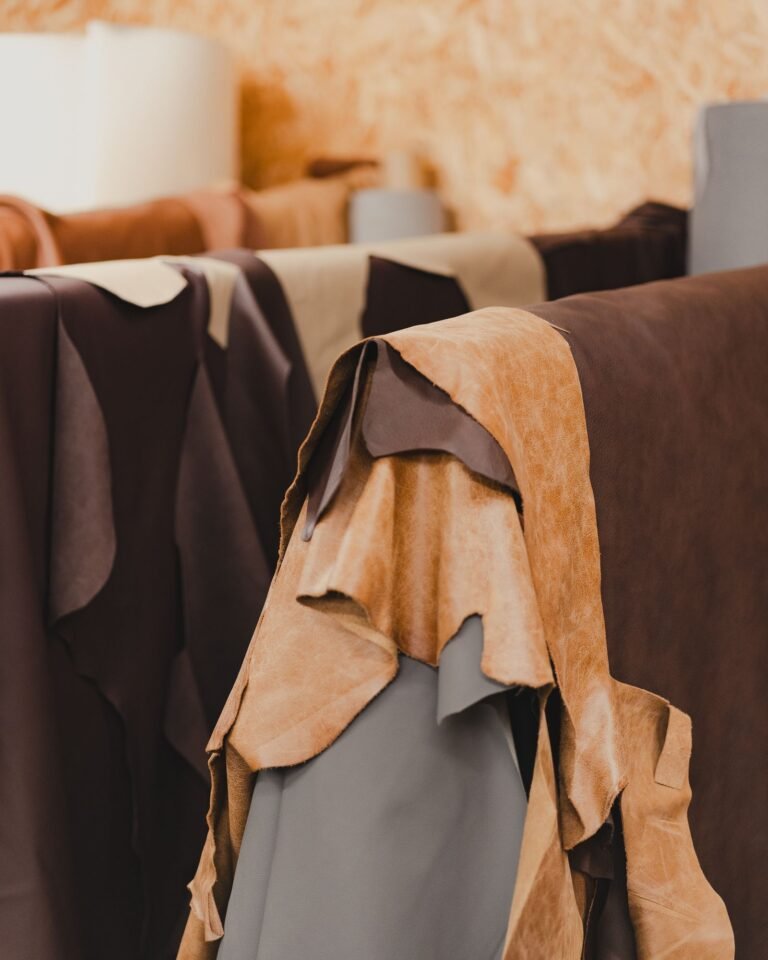
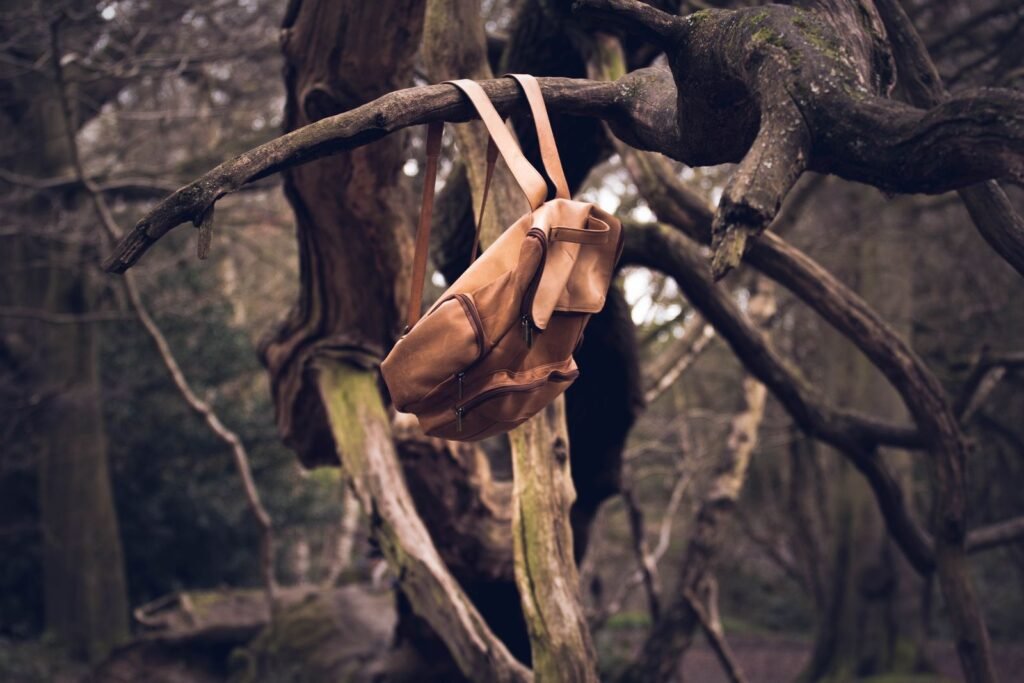
- Lighter colors (Glove Tan) develop the most dramatic, visible patina, but also show stains and marks more readily in the meantime.
- Mid-tones (Hickory, Tobacco, Espresso) darken further with handling while hiding everyday wear better than lighter colors do.
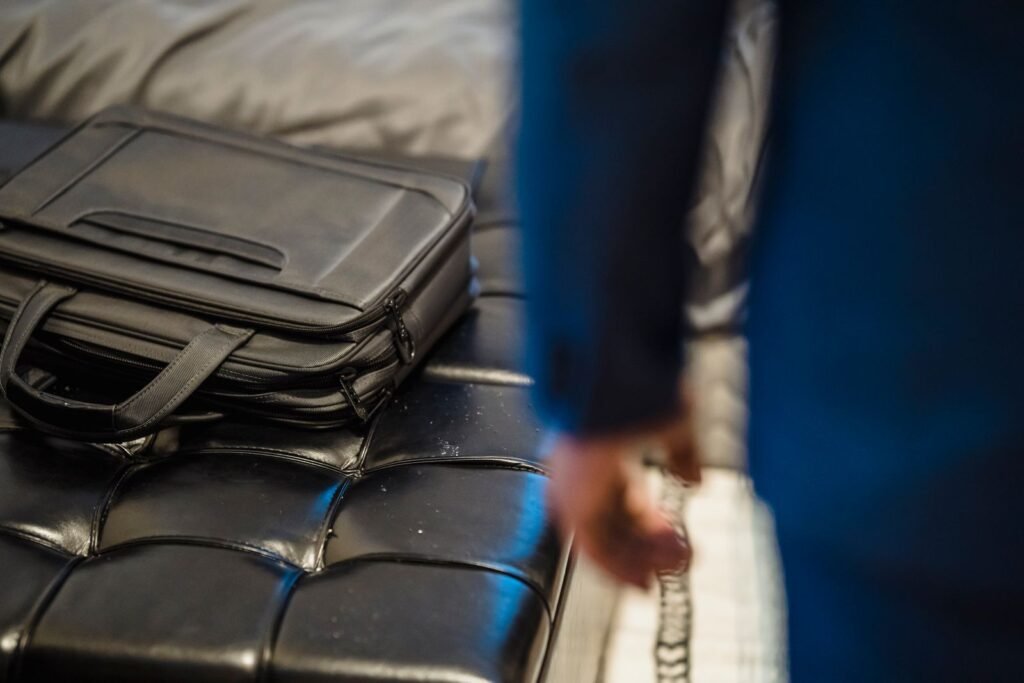
- Black and Ink patina the least dramatically of any color in the line, staying visually consistent rather than transforming with age.
- Oxblood richens toward a deeper maroon over time, distinct from how the browns or black age.
This is worth weighing honestly against your own patience for maintenance, not just visual preference. Someone who wants a bag to look identical on day one and year five is better served by black or Ink; someone who actually wants to watch a piece change and wants that transformation to be part of the appeal should lean toward Glove Tan or Hickory instead.
Our Color Palette, Mapped to Real Products
| Color | Available In | Character |
|---|---|---|
| Hickory | Zip Wallet, Portage, James Case | Warm mid-brown, ages toward deep amber |
| Ink | Pocket Billfold, Passport Wallet | Near-black with a blue undertone |
| Espresso | GI Dopp Kit, Portage | Dark roast brown, deepens with handling |
| Glove Tan | GI Dopp Kit | Lightest in the line, warms fastest |
| Oxblood | Raw Tote | Deep burgundy-brown, richens toward maroon |
| Black | Balfour, Thompson | True black, subtle patina |
| Tobacco | Slim Briefcase | Warm gold-brown, lighter than Hickory |
For the full story behind why we build every color from the same vegetable-tanned base, our leather guide covers the tanning process that makes this range possible.
Notice that most colors in this table show up across more than one product category rather than being locked to a single piece. That’s deliberate: it means choosing a color you like isn’t the same as committing to only one type of item in that color, which matters if your plan is to build out a matching set over time rather than buy everything at once.
One Bag, Multiple Colors?
Owning two colors across different categories, a black briefcase and a warmer wallet, say, is common and doesn’t need to match exactly. Coordination matters more within a single category worn together than across your entire collection.
Where it does matter is items seen side by side in the same glance, a bag and the wallet you pull out of it in front of someone, for instance. Even there, exact matching isn’t required; staying within the same general temperature, both warm or both cool, reads as intentional even when the specific shades differ.
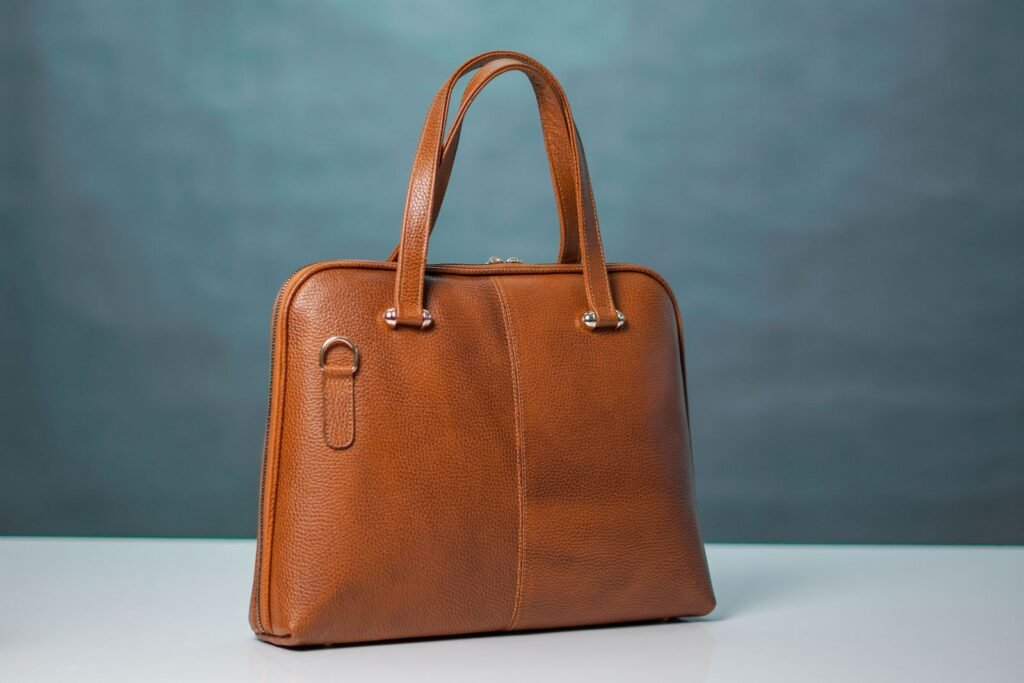
If you’re buying your first piece and building out from there, a mid-tone like Hickory or Espresso gives you the most flexibility to add a second, contrasting color later without either piece looking mismatched against the other.
Coordinating a bag-and-wallet gift set is a common ask for occasions like Mother’s Day, where the two pieces are meant to be seen together. Our Mother’s Day gift guide covers how to pair those pieces without assuming two different product lines will automatically match.
Frequently Asked Questions
Is black always the safest leather bag color?
Only for wardrobes built around cool neutrals. For warm-toned wardrobes, a brown-based color like Hickory or Espresso actually coordinates better than black.
What color leather bag shows the least wear?
Black and Ink patina the least dramatically and hide everyday scuffs better than lighter tan tones do.
Which color develops the most noticeable patina?
Glove Tan, our lightest color, develops the most dramatic, visible patina with handling and sun exposure over time.
Do all my leather goods need to match exactly?
No. Coordination matters most within pieces carried together at once; a black briefcase and a warmer-toned wallet can coexist without issue.
What’s the most versatile single color if I only buy one piece?
A mid-tone like Hickory or Espresso bridges both cool and warm wardrobes better than black or a very light tan.
Is Oxblood too bold for daily professional use?
Not inherently, it reads as distinctive rather than casual, and works well in most business-casual settings as a signature color choice.
Whatever color you land on, it’s worth remembering that this is one of the more forgiving decisions in leather goods. Unlike a fit or size mistake, a color you’re less thrilled with after a year still functions perfectly well, and the leather itself will keep aging and improving regardless of whether it was your first-choice shade.
For a deeper dive on choosing between brown, black, and tan generally, see Anuent’s leather bag color guide.