One-Bag Minimalist Travel: Doing It With Leather Instead of a Backpack
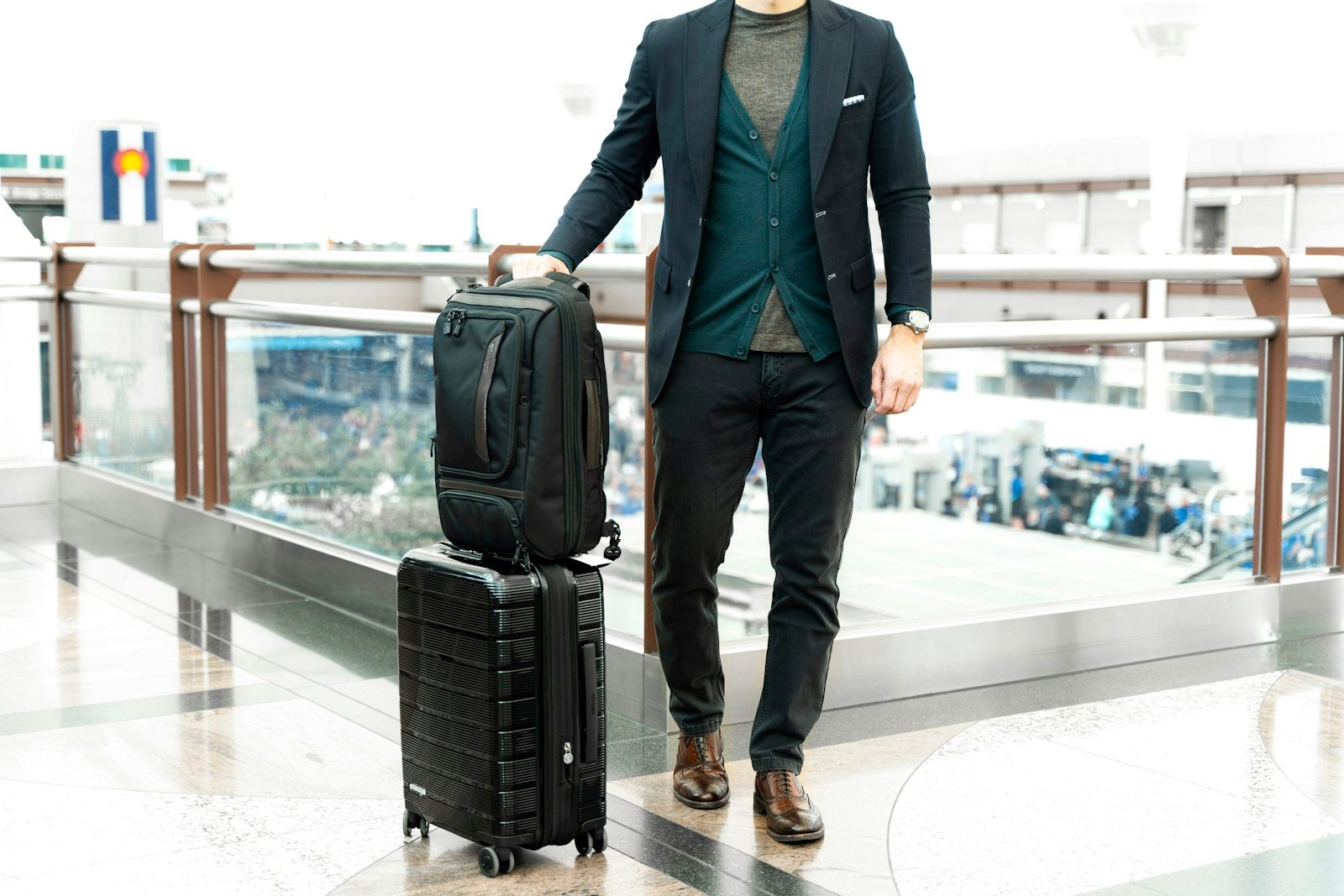
Almost every one-bag travel guide assumes the bag is a technical backpack. For long-term backpacking or budget hostel-hopping, that’s the right call. But for a business trip, a week-long leisure trip, or anything under about two weeks, a structured leather weekender does the same job — carry-on only, no checked luggage — without the compromises a hiking-style pack makes you accept.
“One bag” describes a packing discipline, not a specific bag shape. This guide covers how to actually hit that discipline with a duffel or weekender instead of a backpack, and where a technical pack is still genuinely the better call.
The discipline itself is simple to state and harder to practice: everything you bring fits in one bag, and that bag is small enough to qualify as a carry-on or personal item. No checked luggage, no second bag “just for shoes,” no exceptions negotiated at the airport counter. What changes between a backpack-based approach and a weekender-based one isn’t the discipline, it’s how the bag itself behaves once you’re through security and living out of it for a few days.
Backpack vs. Weekender: Which One-Bag Approach Fits Your Trip
| Trip Type | Better One-Bag Choice | Why |
|---|---|---|
| Multi-month backpacking, hostels | Technical 30–40L backpack | Weight distribution matters over long walking days with heavier loads |
| Business trip, 3–7 days | Leather weekender | Reads professional at the destination, no separate work bag needed |
| Leisure trip, under 2 weeks | Leather weekender or duffel | Structured shape protects contents better than a soft-sided pack |
| Trip involving significant walking or transit | Technical backpack | Hands-free carry matters more than it does for taxi-to-hotel travel |
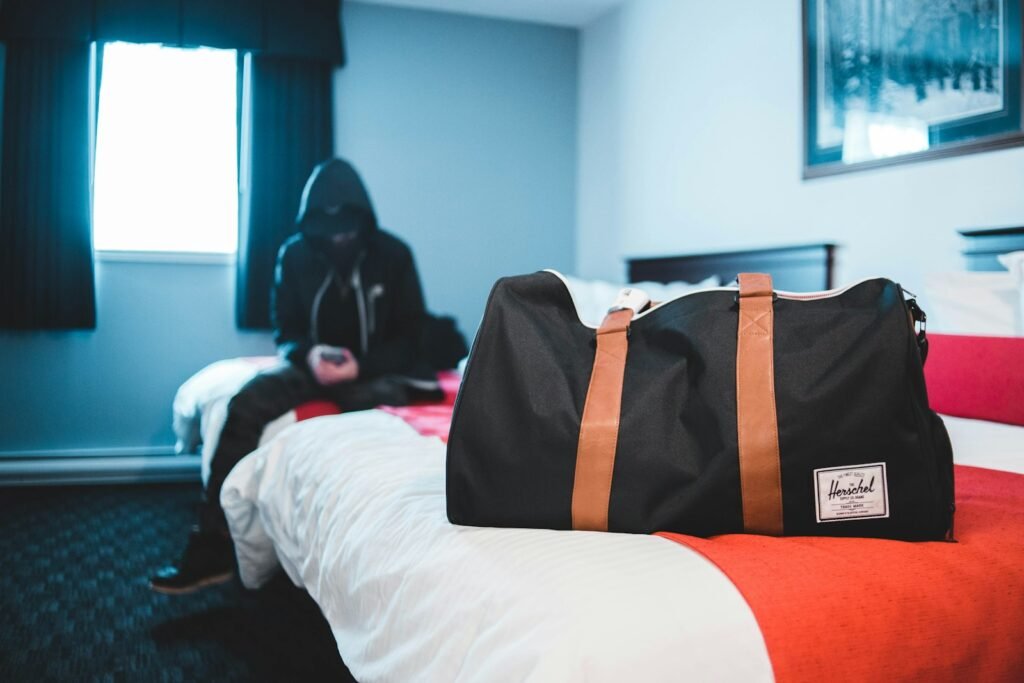
The deciding question is simple: will you be wearing the bag for hours at a stretch, or mostly carrying it from a car to a check-in desk to a hotel room? The first favors a backpack; the second is exactly where a structured weekender does the job just as well, and arguably better once you’re at the destination.
Choosing the Right Size for a True One-Bag Trip
The entire discipline collapses if the bag doesn’t actually clear carry-on dimensions, so size selection here isn’t just about matching volume to trip length — it’s about which bags qualify as one-bag travel at all.
| Bag | Dimensions | Fits Carry-On? | Best For |
|---|---|---|---|
| Brigadier | 15″ × 15″ × 5″ | Yes, comfortably | Weekend trips, 2–3 days |
| Thompson | 15″ × 13″ × 7″ | Yes, comfortably | Work-to-weekend hybrid trips with a laptop, up to about a week with efficient packing |
| Balfour | 22″ × 18″ × 11″ | No — must be checked | Multi-day trips packing a full wardrobe, once you’ve accepted checked luggage |
This is the one honest caveat in an otherwise straightforward comparison: our largest weekender, the Balfour, is genuinely too big for carry-on and has to be checked. For a true one-bag trip, that rules it out regardless of how well it packs — the Brigadier or Thompson are the actual one-bag picks, and the Thompson’s laptop sleeve makes it the stronger choice once a trip runs past a long weekend. Our full travel bag sizing guide covers all three against real packing scenarios in more depth.
The Internal Organization That Actually Makes One-Bag Work
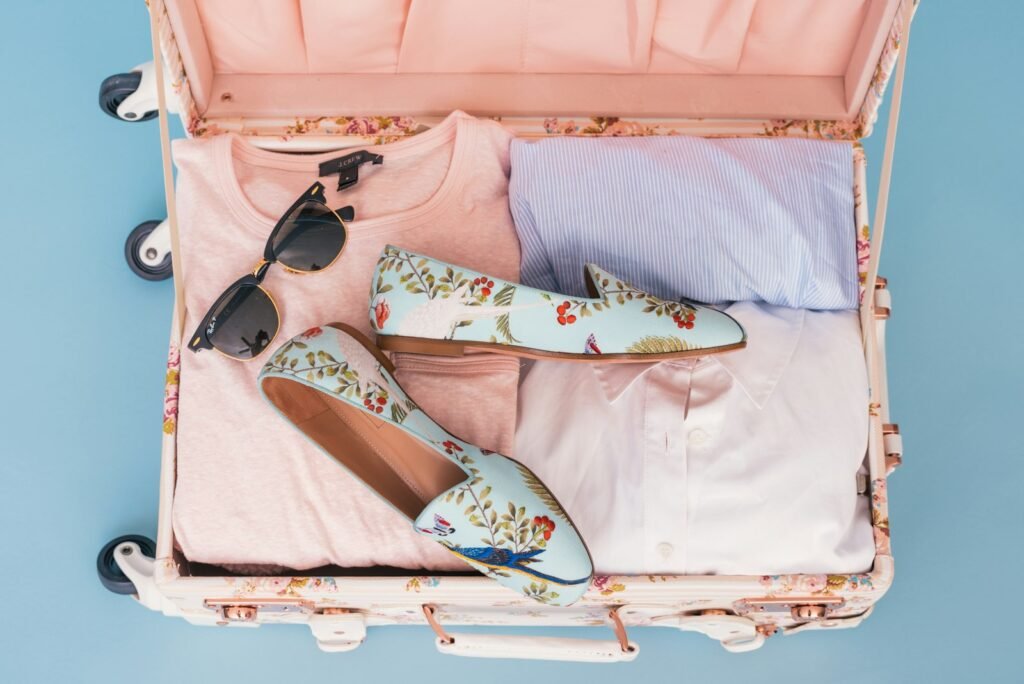
A single bag only works if what’s inside it is organized as tightly as the bag itself. This is where leather accessories earn their place inside a one-bag setup, not as an afterthought but as the internal structure that keeps a single compartment from turning into chaos by day three.
- GI Dopp Kit: keeps toiletries contained and leak-proof against everything else in the bag, the single most common point of failure in loose packing.
- Passport Wallet: one dedicated spot for documents means never digging through the main compartment at security or check-in.
- Tablet Sleeve: protects electronics without needing a padded laptop compartment built into the bag itself.
- Packing cubes, sized to the bag’s interior, for everything else — clothes stay compressed and categorized rather than loose.
Together these solve the same problem a multi-compartment technical backpack solves architecturally, just inside a simpler, single-compartment leather bag.
The order these go in matters too. Pack the Dopp kit and Tablet Sleeve against one side of the bag first, since they’re rigid and keep their shape, then build packing cubes around them rather than on top. That keeps the bag’s structure even and prevents the soft, compressible items from migrating and leaving dead space once you’ve lived out of the bag for a day or two.
What to Actually Leave Behind
The core one-bag principle applies regardless of bag shape: if you’re unsure whether you need something, you probably don’t. A few categories worth cutting first, since they’re the most common source of overpacking.
- “Just in case” outfits for situations that didn’t happen on the last three trips either.
- A second pair of shoes beyond what you’re wearing and one versatile backup.
- Full-size toiletries when a Dopp kit sized for travel-size bottles solves the same problem in a fraction of the volume.
- Backup electronics beyond what you’d genuinely use on a trip this length.
A Sample One-Week Packing List
| Category | Items |
|---|---|
| Clothing | 4–5 tops, 2 bottoms, 1 layer, worn shoes + 1 backup pair |
| Toiletries | Travel-size kit in the GI Dopp Kit |
| Documents | Passport, cards, boarding passes in the Passport Wallet |
| Electronics | Laptop or tablet in the Tablet Sleeve, one charger, one adapter |
| Everything else | 2–3 packing cubes, compressed |
This fits inside a Thompson for most one-week trips with efficient packing, or comfortably inside a Brigadier for anything closer to a long weekend.
Leaving genuine spare room, rather than packing to the exact limit, is worth doing on purpose. A bag packed to capacity on departure has nowhere to absorb anything picked up along the way, and it also makes the daily unpack-and-repack routine noticeably more frustrating than a bag with a little give left in it.

When a Technical Backpack Is Still the Right Call
None of this argues that leather always beats a backpack. Multi-week backpacking through multiple countries, significant walking days, or any trip where you genuinely need both hands free for long stretches still favors a proper technical pack. Our digital nomad gear guide covers that exact trade-off in more depth for longer-term travel specifically.
A useful gut check: picture the actual walk from where you land to where you sleep. If that’s a taxi or rideshare most nights, a weekender carries fine. If it’s a mile or more on foot with a change of location every day or two, the calculus shifts firmly back toward a backpack, regardless of how the trip otherwise looks on paper.

Frequently Asked Questions
Can a leather weekender really work for one-bag travel?
Yes, for trips under about two weeks where you’re not doing significant daily walking. It carries just as effectively as a backpack and looks more appropriate at business or upscale leisure destinations.
What size bag do I need for a one-week trip?
A carry-on-compliant weekender like the Thompson fits a one-week packing list with efficient packing. Our larger Balfour holds more but exceeds carry-on dimensions and has to be checked, so it isn’t a true one-bag option.
Do I still need packing cubes with a leather bag?
Yes. Packing cubes handle clothing organization regardless of bag material; leather accessories like a Dopp kit and Passport Wallet handle the categories packing cubes don’t.
Is a backpack always better for long trips?
For multi-week trips involving significant walking or transit, generally yes. For a business trip or a leisure trip under two weeks, a structured weekender is an equally valid one-bag choice.
How do I avoid overpacking a weekender bag?
Choose the smallest size that fits the trip length rather than the largest bag you own, since extra capacity tends to get filled regardless of actual need.
What’s the biggest mistake in one-bag packing?
Packing for hypothetical situations instead of the actual trip, “just in case” items are the single most common source of unnecessary bulk.
For more on the broader one-bag packing philosophy, see Trekarius’s one-bag system guide.