Leather Goods Warranty & Return Policies: How to Read the Fine Print
“Lifetime warranty” is one of the most overused phrases in leather goods marketing, and one of the least understood. It rarely means what buyers assume it means, and the fine print usually excludes exactly the kind of damage most people picture when they hear the phrase.
This guide covers how to actually read a leather warranty or return policy before you buy — from any brand, not just ours — so you know what you’re genuinely covered for versus what sounds reassuring but isn’t.
Part of the confusion is structural: a warranty and a return policy solve two entirely different problems, but marketing copy often blurs them together into one reassuring paragraph. A return policy covers your right to send something back within a window after purchase, for almost any reason depending on the seller. A warranty covers a much narrower, longer-term promise about manufacturing quality, and it only applies after that return window has already closed. Knowing which one you’re actually reading matters more than the specific numbers in either.
What “Lifetime Warranty” Usually Means (and Doesn’t)
| Typically Covered | Typically Excluded |
|---|---|
| Stitching failure under normal use | Normal wear, scuffs, and patina |
| Hardware breaking under normal use | Water damage beyond ordinary conditions |
| Structural defects in construction | Accidental damage, drops, cuts |
| Material defects present at purchase | Damage from misuse or improper care |
The gap between those two columns is where most buyer disappointment happens. A “lifetime warranty” almost never means the bag is guaranteed to look new forever — it means manufacturing defects are covered indefinitely, which is a narrower and genuinely more useful promise once you understand what it actually is.
“Lifetime” itself is also worth reading carefully. Some brands mean the lifetime of the product; others mean the lifetime of the original owner, which matters if you’re buying secondhand or considering reselling later. A policy that doesn’t specify which one it means isn’t necessarily hiding anything, but it’s worth a direct question to customer service before you assume the more generous interpretation applies.
Why Patina Isn’t a Defect
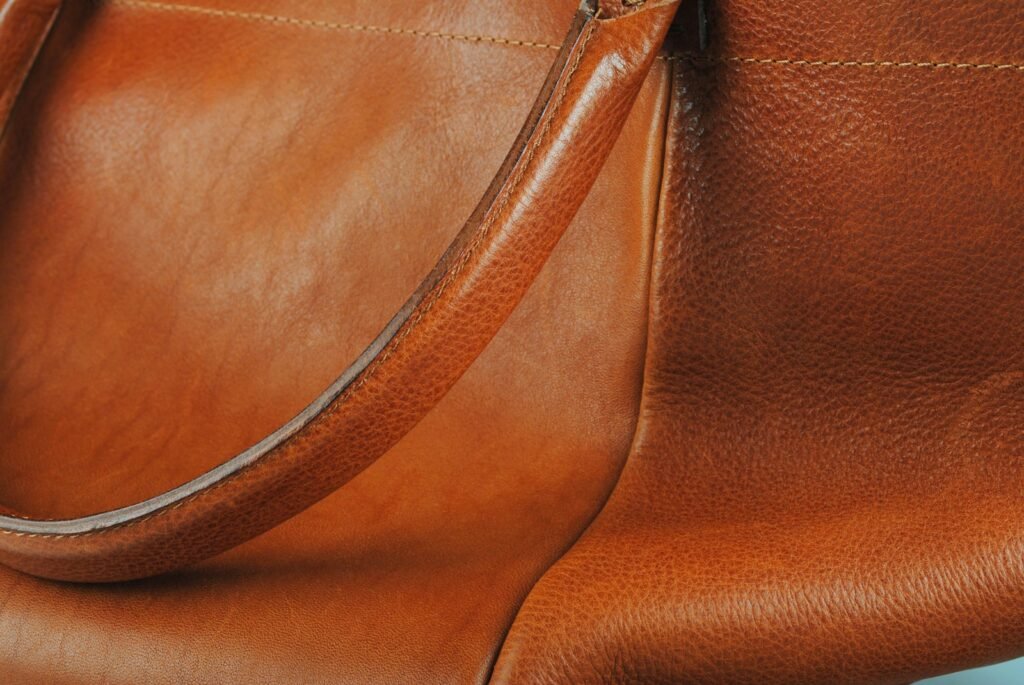
This is the single most common source of warranty confusion with vegetable-tanned leather specifically. The material is designed to darken, soften, and develop character with handling and light exposure — that’s a feature, not deterioration, and no legitimate warranty covers it because there’s nothing to fix.
The distinction that actually matters: patina changes color and texture evenly across the surfaces that get handled most; damage looks different; it’s a cut, a tear, a cracked finish, or a structural failure at a stress point like a strap attachment. Our vegetable-tanned Horween leather guide covers what genuine patina looks like in more detail, which is worth reading before assuming a color change is something a warranty claim would even address.
Return Policy Red Flags to Check Before Buying
Return policies vary even more than warranties, and the fine print is where the real terms live, not the marketing copy on the product page.
- “Store credit only” language. A return that only offers store credit, never a refund, is a meaningfully weaker policy than it initially sounds.
- A short, unstated return window. If the return period isn’t clearly stated in days, assume it’s shorter than you’d like and confirm before buying.
- “Like-new condition” requirements with no definition. Vague condition language gives a seller room to reject a return for reasons a buyer wouldn’t anticipate.
- Buyer-paid return shipping with no mention of cost. On a heavy leather bag, return shipping can meaningfully offset the value of the refund itself.
- Personalized or monogrammed items excluded from returns. This is standard across the industry, but it should be stated clearly before you customize anything.

Questions to Ask Before You Buy From Any Leather Brand
A short checklist worth running through before a purchase, especially a larger one like a bag or briefcase rather than a small accessory:
- Is the warranty measured in years or genuinely “lifetime,” and what does that term mean in this brand’s specific policy?
- Does the warranty cover hardware and stitching specifically, or is coverage vaguer than that?
- Is the return window stated in exact days, and does it start at order date or delivery date?
- Who pays for return shipping, and is a prepaid label provided?
- Is a refund available, or only store credit or an exchange?
- Does the policy require the original packaging or proof of purchase?
How to Protect Yourself Even Without a Written Warranty
Not every seller publishes detailed warranty terms, and some smaller or vintage sellers offer none at all. A few habits protect a buyer regardless of what’s formally promised — vintage and secondhand purchases specifically carry no warranty at all, which is why our guide to buying vintage leather puts so much weight on the in-person inspection instead.
- Keep the receipt or order confirmation. Most warranty and return claims require proof of purchase, and it’s the first thing to lose track of.
- Photograph the item on arrival. Timestamped photos establish the item’s original condition, which matters if a dispute arises later.
- Register the product if a brand offers it. Registration ties the warranty to you specifically and speeds up any future claim.
- Read the care instructions before first use. Damage traced to a documented care mistake is the most common reason a legitimate-looking claim gets denied.

When a Repair Makes More Sense Than a Warranty Claim
Warranties cover defects, not the natural end-of-life wear that even the best-made leather goods eventually show after years of real use. A cracked handle from ten years of daily carry isn’t a manufacturing defect; it’s the leather doing exactly what leather does over a long service life, and a repair, not a warranty claim, is the honest next step at that point.
Filing a warranty claim for ordinary wear also wastes time on both sides. Most brands can tell the difference quickly, and a claim built on wear rather than a defect typically gets declined, leaving the actual problem unresolved. Going straight to a repair, whether through the original brand or an independent leather repair shop, gets the item back in use faster and avoids a frustrating back-and-forth over a claim that was never going to be approved.
It’s also worth being clear about what a warranty was never meant to cover in the first place: loss, theft, or accidental damage from causes entirely outside the manufacturer’s control. That’s an insurance question, not a warranty one — our leather goods insurance and appraisal guide covers when a scheduled personal property rider makes sense for a genuinely high-value piece.

Frequently Asked Questions
Does a lifetime warranty cover patina or color changes over time?
No. Patina is expected, designed-for aging, not a defect, so it isn’t something any legitimate warranty would cover or need to.
What does a leather warranty typically cover?
Most cover manufacturing defects: stitching failures, hardware breaking under normal use, and structural issues present from construction, not accidental damage or normal wear.
Can I return a leather bag if I just don’t like the color in person?
This depends entirely on the seller’s specific return policy. Some allow returns for any reason within a window; others restrict returns to defects only. Always check before ordering a color you haven’t seen in person.
Are personalized or monogrammed leather items returnable?
Almost never. Customization is standard across the leather goods industry as a return exclusion, since a personalized item can’t be resold to another buyer.
Who pays for return shipping on a leather bag?
It varies by seller. Some provide a prepaid label; others require the buyer to pay, which is worth confirming before ordering, since shipping on a heavy bag isn’t trivial.
Is a repair or a warranty claim the right move for old, worn leather?
A repair, in most cases. Warranties address manufacturing defects, not the ordinary wear that comes from years of genuine daily use, which a repair addresses more honestly than a claim would.
For a broader look at what leather warranties typically do and don’t cover, see Bayelon’s guide to leather warranty fine print.