Buying Vintage and Secondhand Leather Goods: What to Check Before You Buy
Buying leather secondhand removes the one safety net a new purchase usually comes with: a return window and a warranty. That makes the pre-purchase inspection do all the work a return policy would otherwise cover, which is exactly why vintage leather rewards a bit more scrutiny than buying new.
The upside is real. Vintage and secondhand leather, especially full-grain and vegetable-tanned pieces, was frequently built to standards that don’t survive in most of today’s fast-fashion leather goods. This guide covers how to actually evaluate a piece before buying, whether you’re at a flea market, an estate sale, or browsing a resale platform.
It’s also one of the more genuinely defensible ways to reduce leather’s environmental footprint — our leather sustainability guide covers why extending an existing piece’s life outweighs most other single choices you can make.
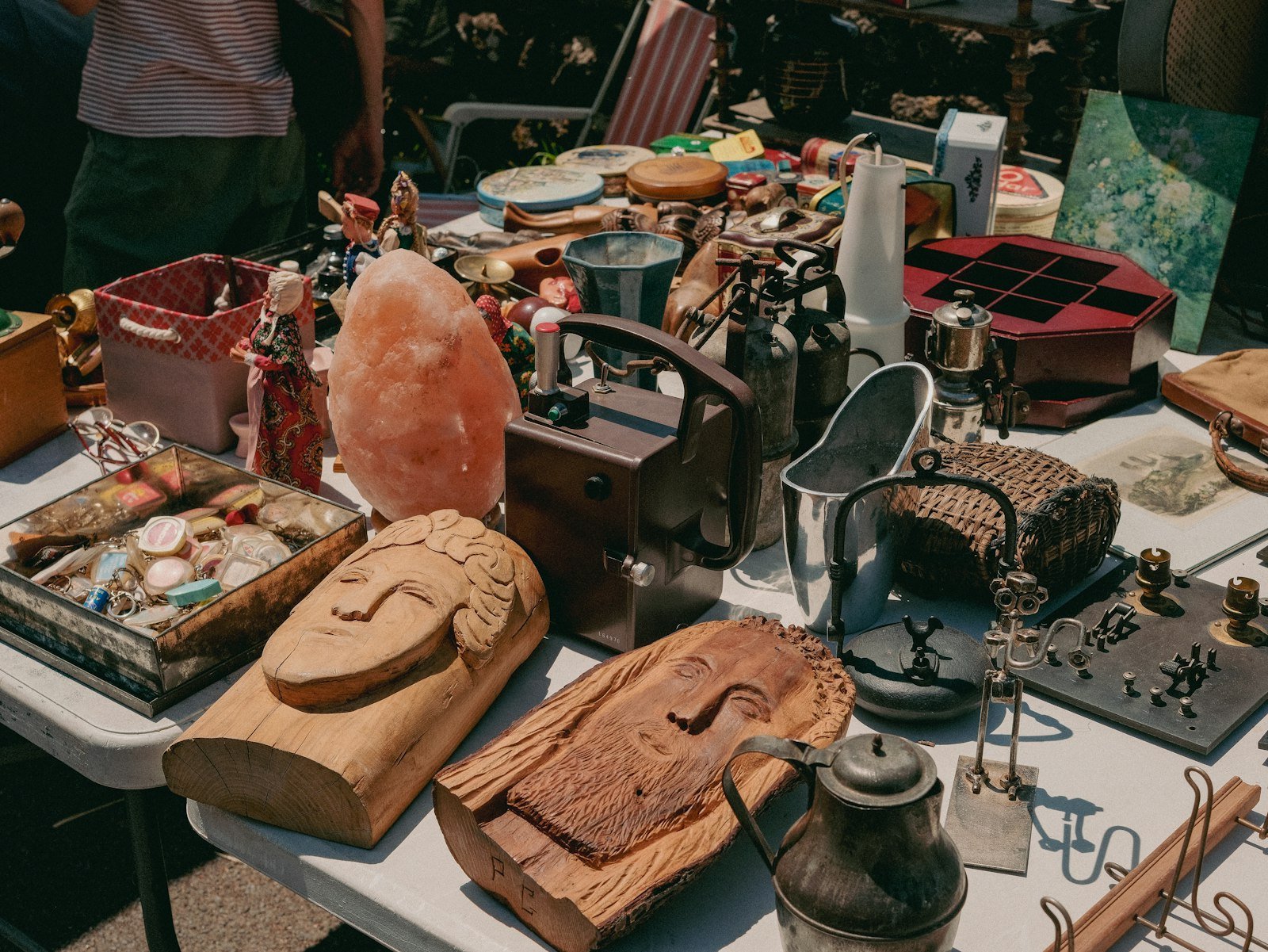
The inspection habits below work the same way regardless of venue, but the stakes differ. A five-dollar flea market find is a low-risk experiment even if the inspection turns something up after the fact. A few-hundred-dollar consignment purchase deserves the full checklist before money changes hands, since there’s meaningfully more to lose if the piece turns out to have a problem the seller didn’t disclose.
Why Vintage Leather Can Be a Genuinely Better Buy
Leather that’s already 20 or 30 years old and still structurally sound has, by definition, already survived the failure points that would have shown up by now. A new bag is a bet on quality; a well-preserved vintage piece is quality that’s already been proven over time.
This is especially true for vegetable-tanned leather specifically, which is designed to improve with age rather than simply degrade — our vegetable-tanned Horween leather guide covers what that aging process actually looks like, which is useful context for judging whether a vintage piece’s wear is healthy patina or genuine damage.
The 5-Minute Physical Inspection
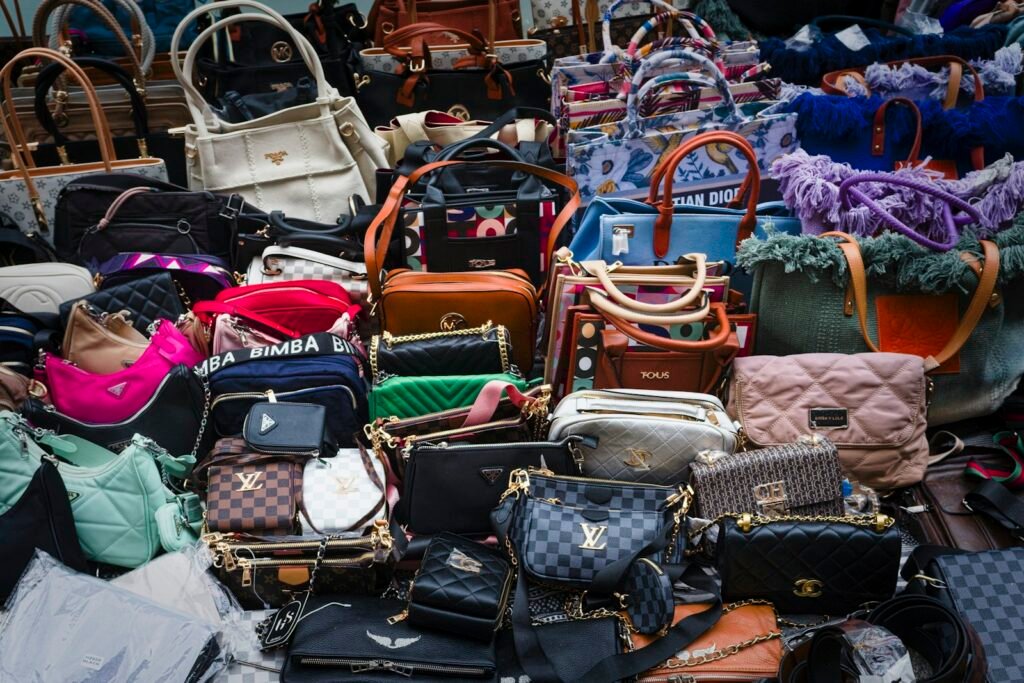
| Check | Good Sign | Red Flag |
|---|---|---|
| Smell | Neutral, or a faint natural leather scent | Strong mildew, smoke, or chemical odor |
| Hardware weight | Heavy, solid, cool to the touch | Light, hollow-feeling, or visibly plated metal wearing through |
| Stitching | Straight, even, tight to the leather | Loose threads, uneven spacing, pulling apart at stress points |
| Flex test | Some give, returns to shape | Stiff and cracking, or floppy with no structure at all |
| Interior lining | Clean, no stiff spots or bumps | Crumbs, stains, or flaking lining material |
Run a hand along the interior bottom specifically — this is where old spills and residue hide, and it’s the single most commonly overlooked check. A stiff patch or a strange bump under the lining usually means something was spilled and never properly cleaned.
Do this inspection in decent light, ideally daylight rather than dim overhead store lighting, since it’s easy to miss a thin crack or a color mismatch between panels under artificial light. If you can, ask to take the piece near a window or doorway for a final look before committing, especially for anything priced high enough to matter.
Authenticity Red Flags for Branded Vintage
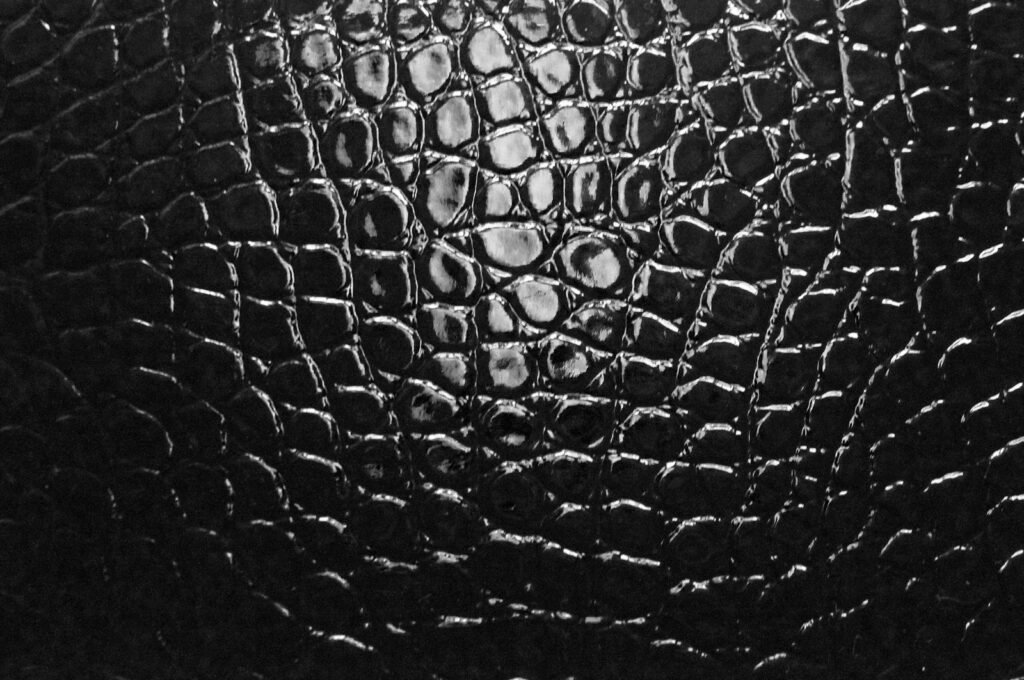
If you’re buying a vintage piece from a recognized brand specifically, a few additional checks matter beyond general leather quality.
- Stitch count and thread color consistency. Authentic pieces from established makers maintain even stitch counts and matched thread color across every seam; counterfeits are where this typically falls apart first.
- Hardware engraving depth. Genuine hardware engravings are sharp and deep; shallow or faint engraving is a common tell on reproductions.
- Interior label attachment. A stitched label is standard on genuine pieces; a glued-on label is a red flag almost across the board.
- Price relative to condition. A price dramatically below the going rate for that piece’s condition and rarity is rarely a lucky find — it’s more often a sign something’s being misrepresented.
Smells and Stains: What’s Fixable vs. What Isn’t
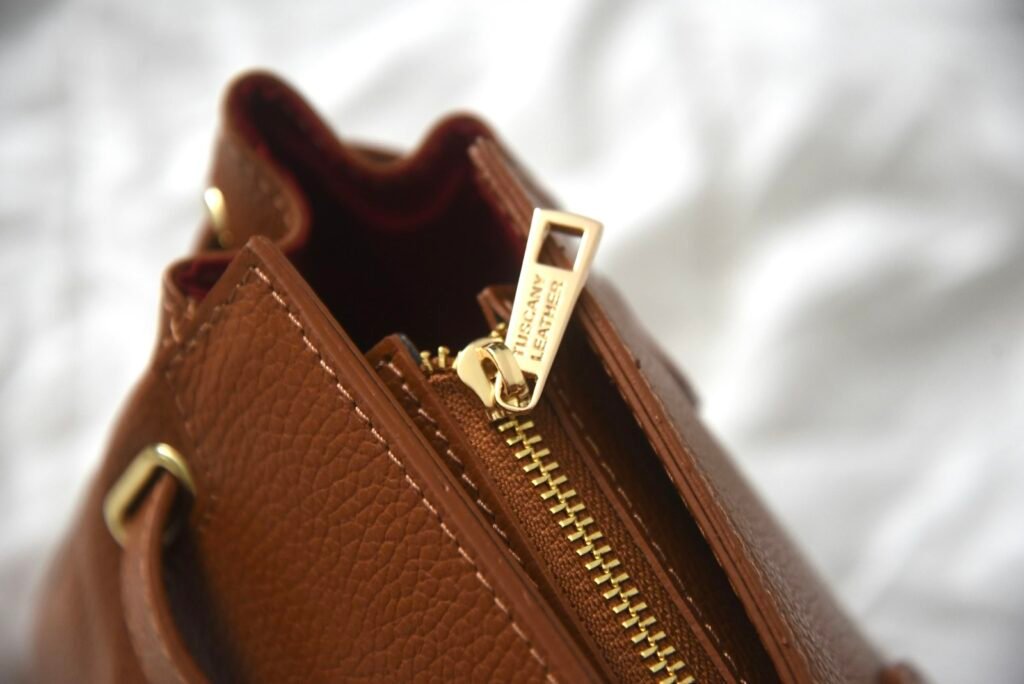
Surface dirt, light water spots, and mild mustiness are almost always fixable with proper cleaning and time spent airing out. Our stain removal guide covers the specific methods for ink, oil, and water marks that commonly show up on older leather.
Smoke odor and deep mildew are the two smells worth walking away from. Both tend to be genuinely stubborn, sometimes impossible to fully remove even with professional cleaning, and they’re a strong predictor of buyer’s remorse regardless of how good the piece otherwise looks.
Where to Buy Vintage Leather Safely
Reputable resellers and consignment shops with a stated return policy, even a short one, are worth the modest premium over an anonymous marketplace listing with no recourse at all. For anything above a few hundred dollars, a professional authentication service is a reasonable added cost relative to the risk of a costly mistake.
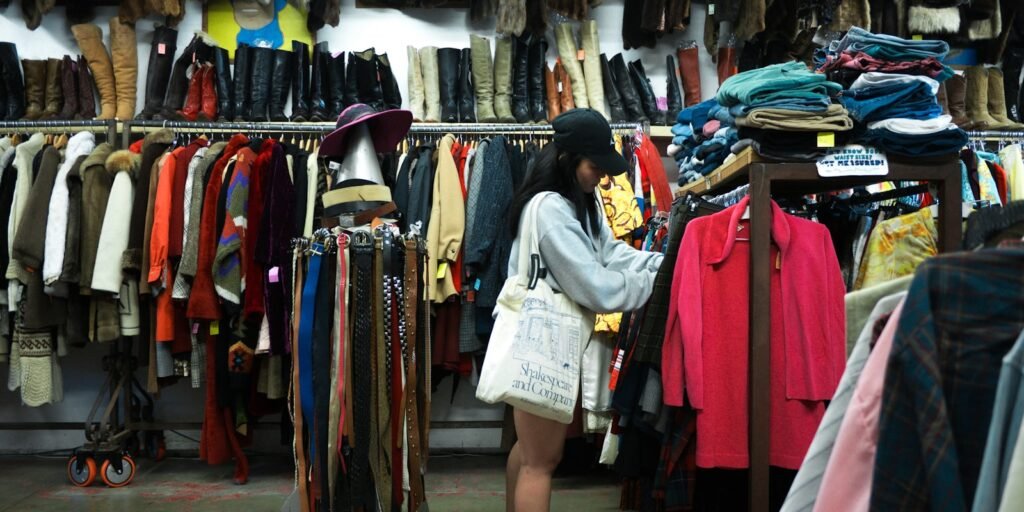
Estate sales and flea markets sit in between these two extremes. There’s usually no formal return policy, but sellers are often more willing to answer questions honestly about a piece’s history than an anonymous online listing would be, simply because they’re standing in front of you. Asking directly where a piece came from, and watching how confidently that question gets answered, is a surprisingly reliable signal on its own.
Our own warranty and return policy guide covers what to check on any leather purchase, new or used — the same due diligence questions apply, just with more weight put on the in-person inspection since a warranty rarely exists on a vintage find.
Bringing a Vintage Piece Back to Life
A structurally sound vintage piece that just needs cleaning and conditioning is a genuinely good find, not a compromise. Start with a gentle clean, follow with conditioning to restore lost oils, and resist the urge to over-condition all at once — our leather care kit guide covers the right order of operations for reviving leather that’s been under-cared-for.
If the piece has actual damage beyond dryness, like a torn strap or failing stitching, our repair versus replace guide covers how to weigh a repair cost against the piece’s value before committing to either.
Patience matters more here than with a new piece. Leather that’s gone a long stretch without conditioning is genuinely thirsty, but soaking it in conditioner all at once to compensate tends to darken it unevenly and can oversaturate the fibers. Several light applications spaced a week or two apart bring dry leather back to life far more reliably than one heavy treatment.
Frequently Asked Questions
How can I tell if vintage leather is genuine full-grain?
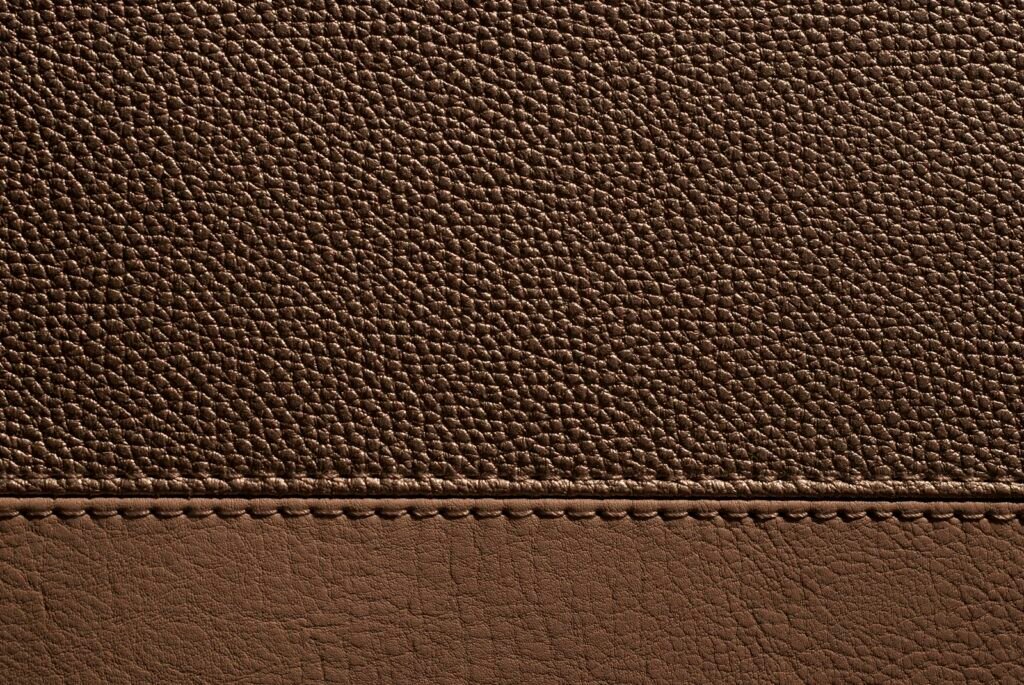
Full-grain leather shows natural texture and small imperfections rather than a uniform, printed-looking surface, and it develops a deepening patina with handling rather than staying flat and unchanged.
Is a musty smell in a vintage bag a dealbreaker?
Not always. Mild mustiness often airs out with time and proper storage. A strong, persistent mildew or smoke smell is harder to remove and worth walking away from.
What’s the biggest red flag when buying vintage designer leather?
A price significantly below market for the item’s stated condition and rarity, combined with a glued rather than stitched interior label.
Should I get a vintage bag professionally authenticated?
For higher-value pieces, generally yes. The cost of authentication is small relative to the risk of an expensive misrepresented purchase.
Can old, dry vintage leather be restored?
Often, yes, as long as the structure itself is sound. Proper cleaning followed by gradual conditioning can revive leather that’s simply been under-cared-for, not damaged.
Do vintage leather bags come with any warranty?
Almost never, which is why the in-person inspection before buying carries more weight than it would for a new purchase backed by a manufacturer’s policy.
For more detailed authentication tips, see Talented Ladies Club’s guide to authenticating vintage designer bags.