Leather Bag Repair vs. Replace: A Practical Cost Framework
The question “should I repair this or replace it” is really two separate questions people tend to blur together: is the damage fixable at all, and is fixing it actually worth the money. A bag can pass the first test and still fail the second, which is why a simple cost ratio is more useful than a gut feeling.
This guide covers a practical framework for that decision, broken down by the damage types that actually show up on a well-used leather bag, plus what’s realistically a DIY fix versus what needs a professional.
It’s worth naming the emotional pull here too, since it complicates an otherwise straightforward cost comparison. A bag that’s traveled with someone for a decade carries weight beyond its replacement cost, and that’s a legitimate factor, not a bias to correct for. The framework below is meant to inform that decision, not override it — it just makes sure the sentimental case and the practical case aren’t accidentally being confused with each other.
There’s an environmental case for repair too, not just a financial one. Our leather sustainability guide covers why actually reaching a piece’s full potential lifespan, rather than replacing it early, is one of the more meaningful ways to reduce its overall impact.
The Repair Threshold: A Simple Cost Ratio
A useful rule of thumb: if a professional repair costs less than roughly 30 to 40 percent of what a comparable new piece costs, and the damage is isolated rather than spread across the whole bag, repair is usually the better call. Above that threshold, the math starts favoring replacement, especially if the piece has other, unrelated wear building up alongside the one problem you’re fixing.
Sentimental value and genuine quality both shift this threshold upward. A well-made bag that’s otherwise structurally sound is worth a higher repair spend than a mediocre one, since you’re paying to extend the life of something that was already going to outlast a replacement anyway.

Repair or Replace, by Damage Type
| Damage Type | Verdict | Typical Cost |
|---|---|---|
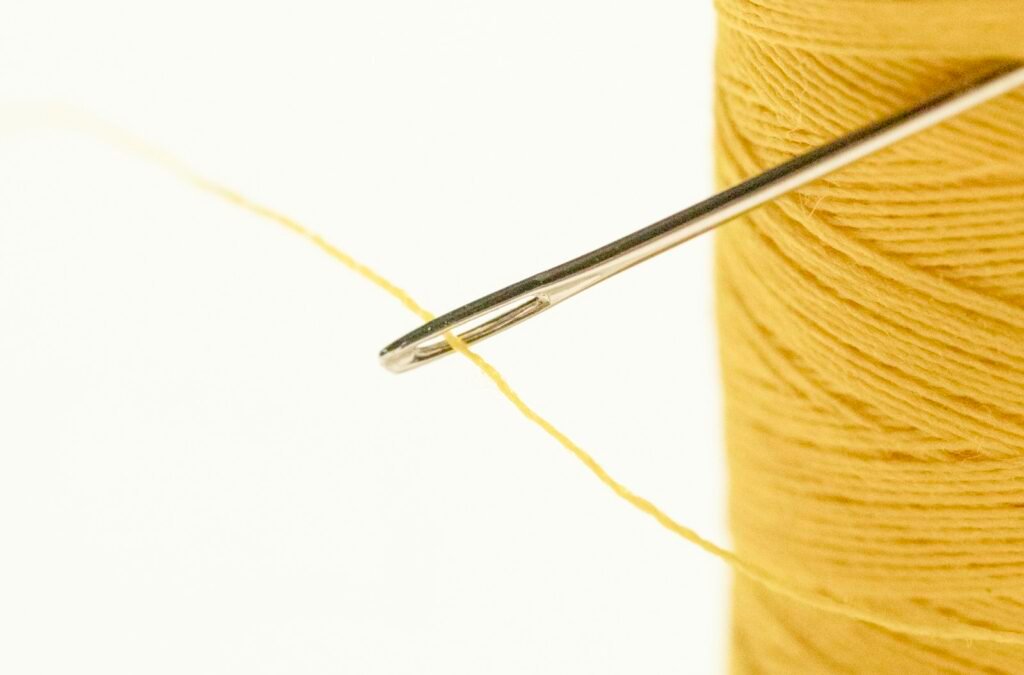
| Loose or frayed stitching | Repair | $20–$80, or DIY with waxed thread |
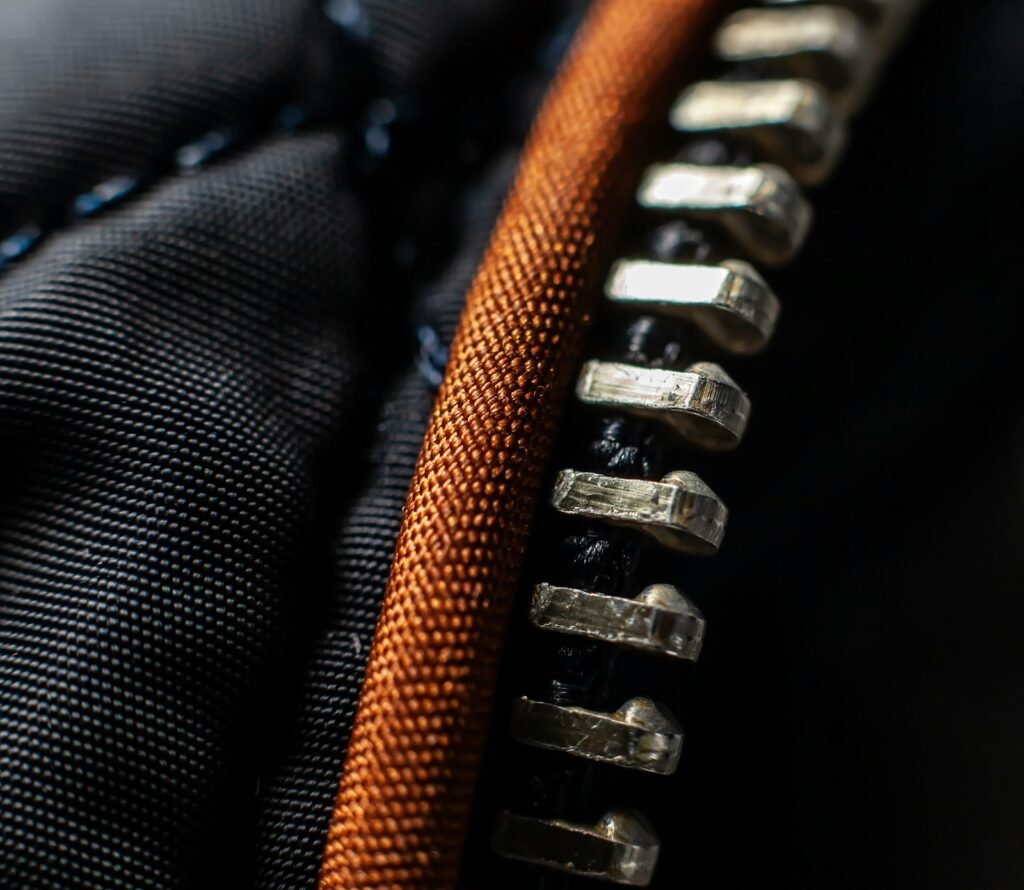
| Broken zipper or hardware | Repair | $40–$150 |
| Surface scratches and scuffs | Repair (usually DIY) | Minimal — conditioner or leather balm |
| Torn strap at one attachment point | Repair if isolated | $50–$150 |
| Deep cracking across large areas | Replace | N/A — material has broken down |
| Water damage or mold throughout | Replace | N/A — often unrecoverable |
| Collapsed internal structure | Replace | N/A — professional restoration rarely holds |
The pattern across this table: anything localized to one point of failure on otherwise sound leather is usually worth fixing. Anything that reflects the material itself breaking down across a wide area is a sign the leather has reached the end of its usable life, not a repair opportunity.
What Vegetable-Tanned Leather Can and Can’t Recover From
Vegetable-tanned leather is genuinely more repairable than most modern coated or bonded leathers, since conditioning can restore a surprising amount of flexibility to leather that’s simply dried out from age or neglect. Our vegetable-tanned Horween leather guide covers what makes this material age well in the first place, which is directly relevant to judging whether a damaged piece is actually salvageable.
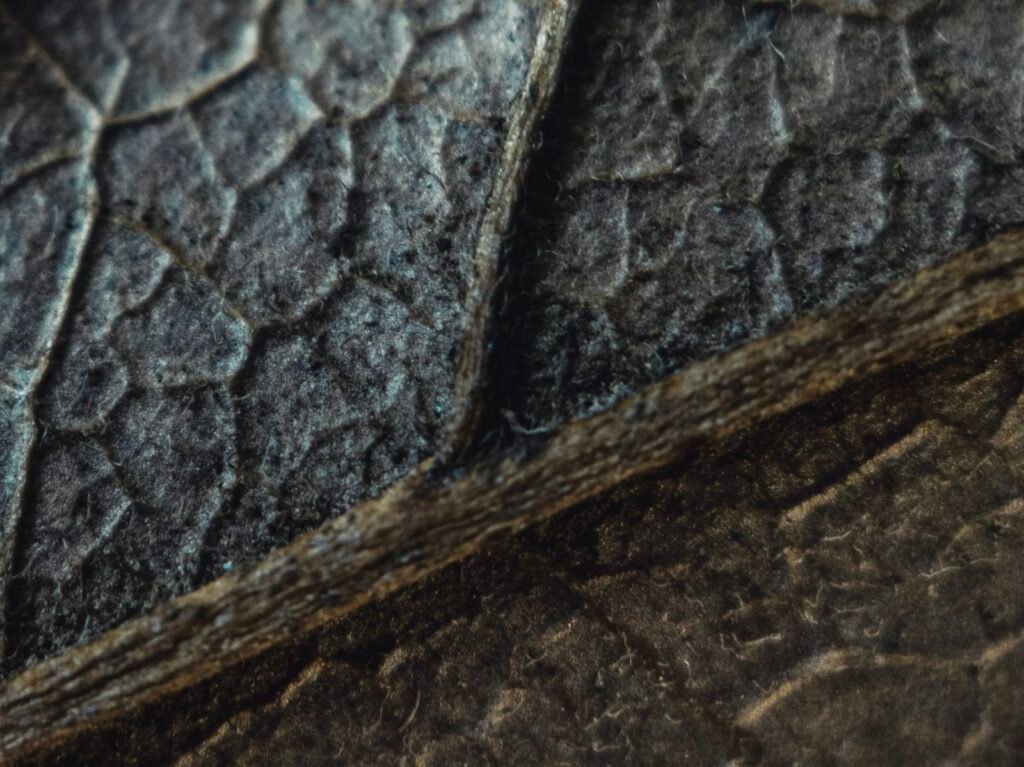
What it can’t recover from is fiber breakdown — once the leather’s internal structure has genuinely failed, no amount of conditioning brings it back, and it’s important not to confuse healthy, deepening patina with this kind of terminal damage. Our stain removal guide and warranty guide both cover this same distinction from different angles — surface wear is rarely the real problem; structural failure is.
DIY Fixes Worth Attempting vs. What Needs a Professional
- DIY-appropriate: minor surface scuffs, dry leather that just needs conditioning, a single loose stitch that hasn’t fully separated.
- Professional-appropriate: zipper replacement, re-stitching along a full seam, structural repairs to handles or straps, color matching after a repair.
The line between these two categories comes down to risk. A failed DIY attempt on a small cosmetic issue costs little; a failed DIY attempt on structural stitching or hardware can turn a fixable problem into an unfixable one. When in doubt, a professional quote costs nothing and gives you a real number to weigh against the cost ratio above.
It’s also worth getting more than one quote for anything above a minor fix. Repair pricing varies meaningfully between general cobblers and shops that specialize specifically in leather goods, and a specialist is often both more accurate about what’s actually fixable and better equipped to match color and stitching seamlessly once the repair is done.
When a Repair Extends the Piece’s Life vs. Delays the Inevitable
A repair is worth it when it addresses the actual point of failure and the rest of the piece is still structurally sound — that’s genuinely extending the bag’s useful life, not just patching a symptom. A repair is delaying the inevitable when the underlying leather is failing broadly and the specific fix only addresses the most visible symptom of a wider problem.
A practical gut check: if you’d be surprised by a second, unrelated failure within the next year, the piece is probably still in “extend its life” territory. If a second failure would feel unsurprising given the piece’s overall condition, you’re more likely delaying a replacement you’ll need soon anyway.
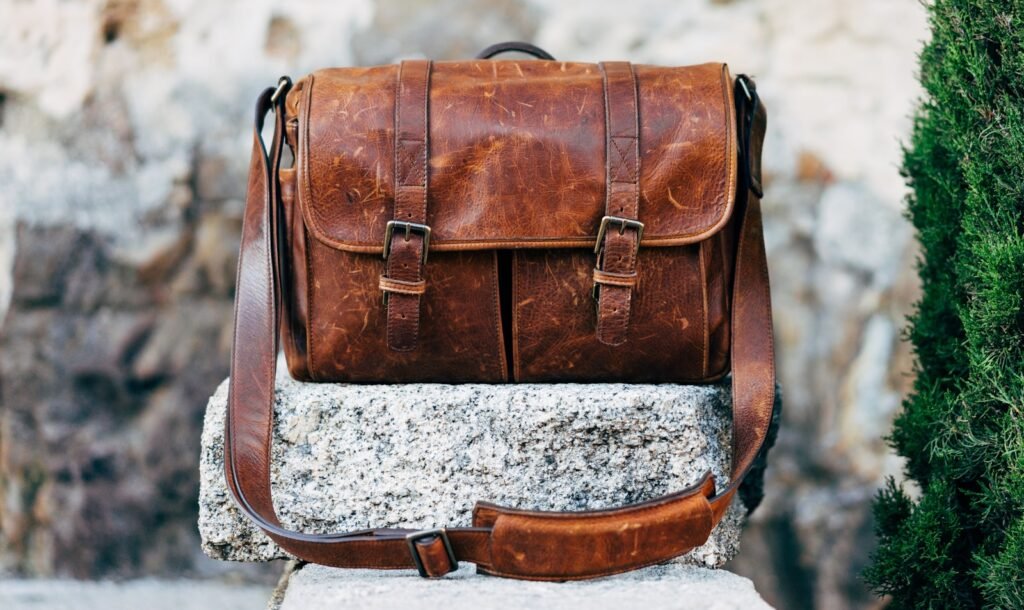
Age alone isn’t the deciding factor here, which surprises people used to thinking about most consumer goods on a fixed depreciation schedule. A well-made vegetable-tanned bag at fifteen years old can still be squarely in “worth repairing” territory if it’s been cared for, while a poorly made bag at three years old can already be past the point where repair makes sense. The condition of the leather itself, not the number of years it’s been owned, is what actually belongs in the decision.
Covering the cost of a repair is also a genuinely distinctive gift idea for someone who already owns several leather pieces, since it restores something they already love rather than adding to a collection that may not need another item. Our gift guide for the leather goods collector covers that idea in more depth, alongside other gifts that fill a real gap instead of duplicating what’s already there.
If you’re leaning toward replacement, our vintage and secondhand leather guide covers how to evaluate a used piece the same critical way, in case a well-preserved older bag is a better fit than buying new.
Frequently Asked Questions
Is it worth repairing a leather bag with a broken zipper?
Almost always, if the rest of the bag is sound. Zipper replacement is one of the most common and most cost-effective leather repairs available.
How do I know if leather cracking means the bag is done?
Isolated cracking at a single fold or stress point can sometimes be conditioned and slowed. Deep, widespread cracking across large areas usually signals the material itself has broken down and isn’t reversible.
Should I repair a bag myself or take it to a professional?
Minor cosmetic issues, like surface scuffs or dryness, are reasonable to handle yourself. Anything structural, like stitching, zippers, or straps, is safer left to a professional.
What’s a reasonable amount to spend repairing a leather bag?
A rough guide is under 30 to 40 percent of what a comparable new piece would cost, assuming the damage is isolated rather than reflecting broader material failure.
Can water-damaged leather be restored?
Sometimes, if caught early and dried properly. Extensive water damage or mold throughout the material is often not recoverable and typically points toward replacement.
Does a repaired bag lose value compared to an unrepaired one?
A well-executed repair, especially one that matches color and stitching, generally preserves far more value than the same bag left in a visibly damaged, unrepaired state.
For more on repair costs and when they’re worth it, see Bag Vanity’s guide to handbag repair costs.