Men’s Wallet Guide: Zip Wallet vs. Billfold vs. Passport Wallet
Most wallet shopping starts with color and ends there. The decision that actually matters — bifold, zip, or a dedicated travel wallet — usually gets skipped entirely, which is how so many people end up carrying three overlapping wallets instead of the one that actually fits their life.
This guide breaks down the real differences, using our own Zip Wallet, Pocket Billfold, and Passport Wallet as concrete reference points.
None of these three formats is objectively “the best wallet.” Each solves a different problem, and most people who own more than one wallet — a slim one for weekends, a fuller one for the work week, something dedicated for travel — have already figured that out by trial and error. This guide just shortcuts the trial part.
Once you’ve picked a format, our wallet lifespan guide covers how long it should actually last and the real signs it’s time for a replacement, rather than swapping it out on a fixed style cycle.
A first wallet also marks a real milestone for a teenager specifically — our bar and bat mitzvah gift guide covers why that’s such a fitting gift for the occasion, and which format suits someone just starting to carry a wallet of their own. Our Confirmation and First Communion gift guide covers the same milestone-wallet logic for the Christian equivalent occasion.
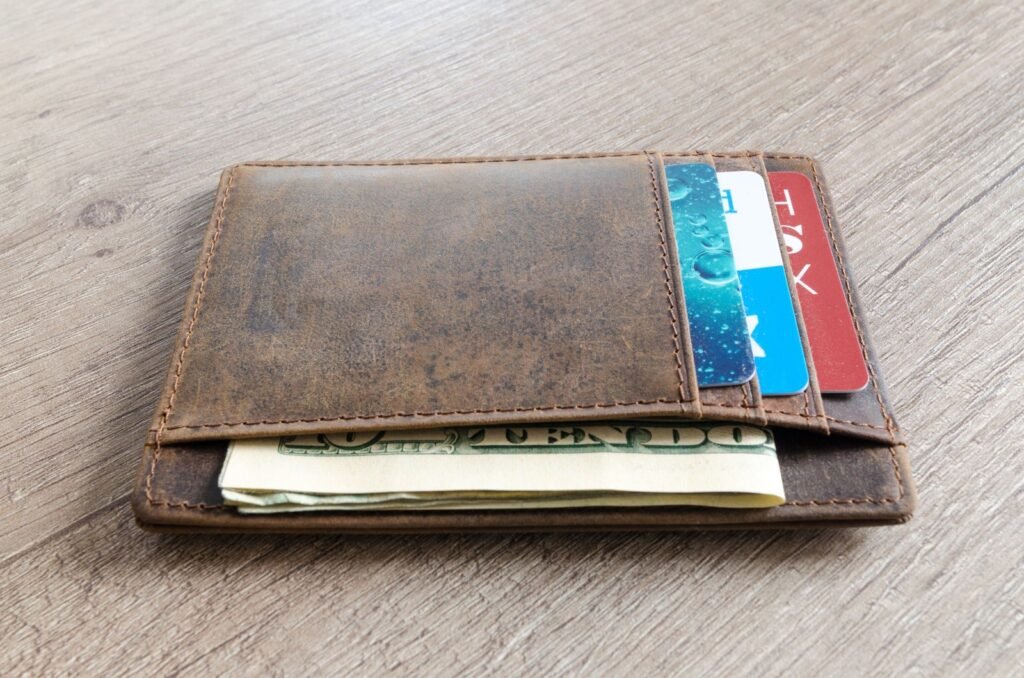
The Main Wallet Types, Explained
| Type | Capacity | Best For | Trade-off |
|---|---|---|---|
| Bifold | Moderate — cards + cash | Everyday carry, classic profile | Can bulge if overloaded |
| Zip wallet | Higher — dedicated sleeves | People who overstuff a standard billfold | Slightly thicker at rest |
| Slim billfold | Low — cash-focused | Minimalists, front-pocket carry | Limited card capacity |
| Passport / travel wallet | High — passport + cards + boarding passes | International travel only | Too bulky for daily carry |
One category we haven’t mentioned yet: the rigid minimalist cardholder, usually aluminum or carbon fiber, built to hold four to six cards and nothing else. It’s a legitimate option for anyone who’s gone fully cashless and wants the thinnest possible front-pocket carry — just not a leather goods category, since the whole point is a hard, non-leather shell.
Why Your Wallet Gets Overstuffed (and How a Zip Wallet Fixes It)
A wallet with no fixed structure just keeps expanding — receipts, old loyalty cards, and cash all migrate in and never get removed. Beyond looking bad, an overstuffed back-pocket wallet creates a real, uneven pressure point that chiropractors and physical therapists both flag as a contributor to lower back and hip discomfort over time.
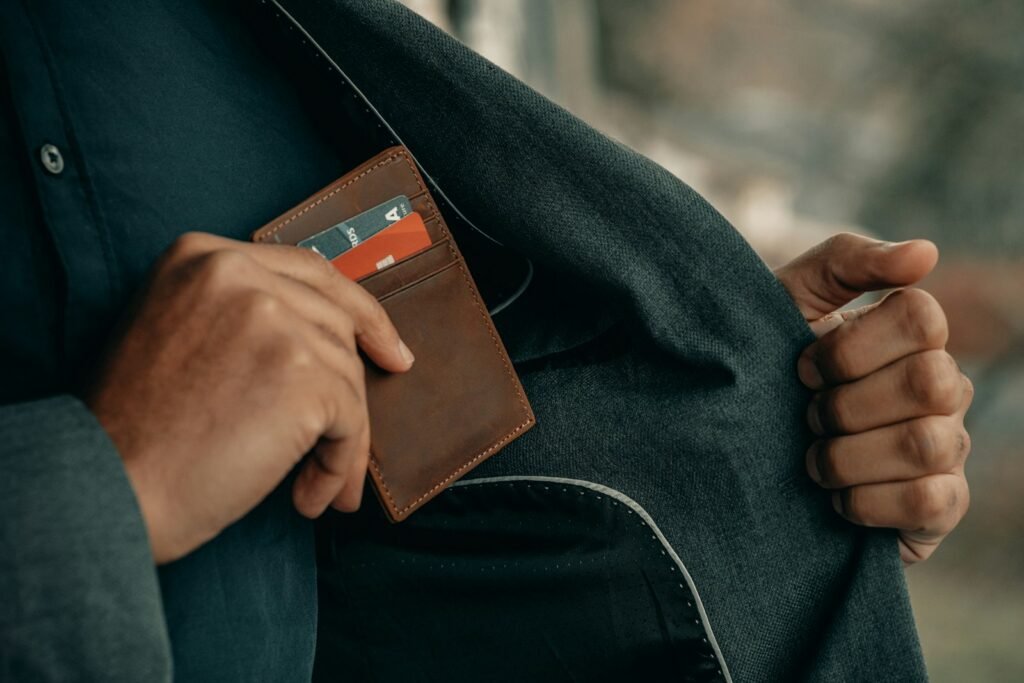
Our Zip Wallet was built specifically as, in our own words, “the perfect antidote to the overstuffed wallet” — two interior card sleeves, two exterior card sleeves, and a zippered main pocket that closes the wallet completely instead of letting it splay open and expand.
Zip Wallet vs. Pocket Billfold: Which Fits Your Pocket?
| Zip Wallet — Hickory | Pocket Billfold — Ink | |
|---|---|---|
| Dimensions | 7″ L × 3″ W × 3.5″ H | 8.5″ L (flat) × .25″ W × 3″ H |
| Closure | Brass antique-finish chain zip | Open billfold, no closure |
| Card capacity | Four dedicated card sleeves | Slim, cash-focused |
| Profile | Slightly thicker, fully enclosed | Thinnest option in the line |
| Price | $129 | $111 |
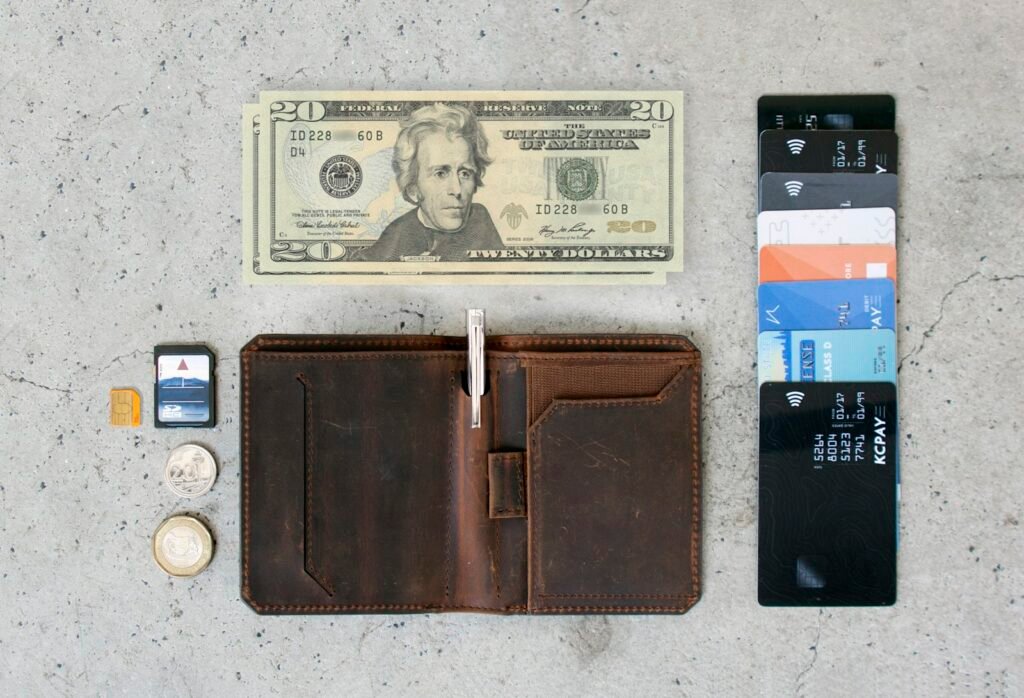
If you carry more than four or five cards, the Zip Wallet’s dedicated sleeves and full closure will hold up better day to day. If your carry is mostly cash and one or two cards, the Pocket Billfold’s flatter profile is genuinely less to have in your pocket.
Price is a smaller factor here than it looks — an $18 difference isn’t going to be the deciding line for most people. What actually predicts satisfaction a year in is whether the wallet’s structure matches how you already carry things, not the other way around.
Do You Actually Need a Separate Passport Wallet?
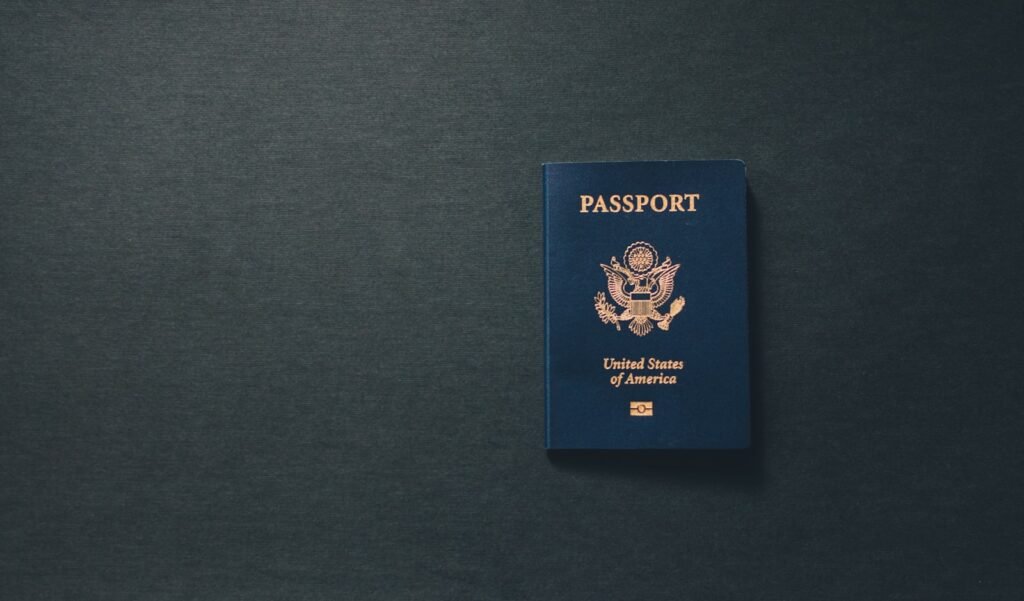
No country requires a passport cover to travel, so it’s a fair question. Where a dedicated passport wallet earns its place is the specific moment at security or customs when you need your passport, boarding pass, and a card all at once — a bifold or zip wallet built for daily carry usually isn’t sized for a passport booklet at all.
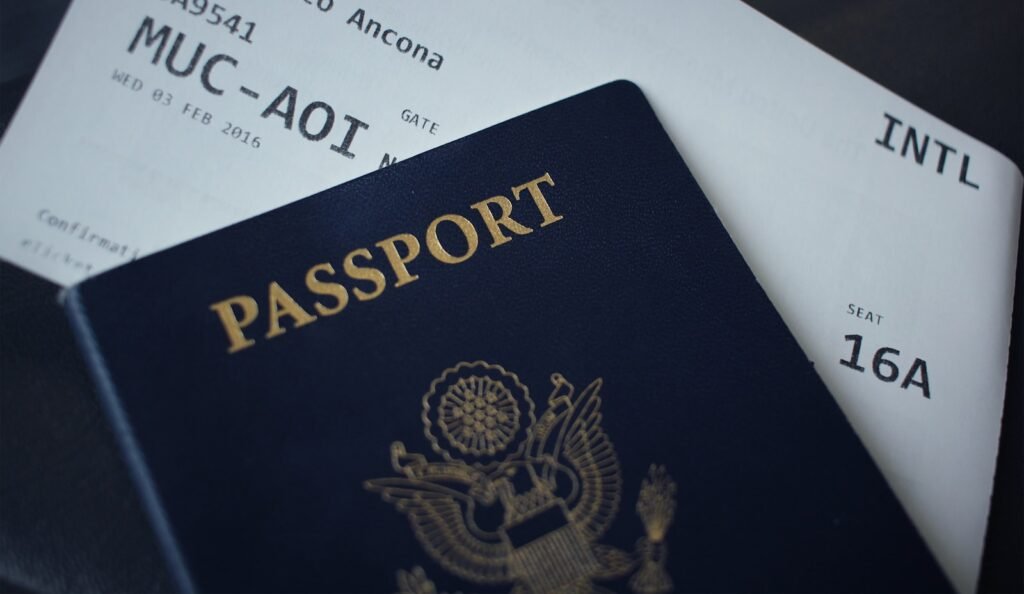
Our Passport Wallet is sized specifically around a standard passport booklet — 7.5″ flat, .5″ wide, 5.5″ tall — with room for the essentials you actually need mid-transit, not everything from your daily wallet.
| Passport Wallet — Hickory | Passport Wallet — Ink | |
|---|---|---|
| Dimensions | 7.5″ L (flat) × .5″ W × 5.5″ H | 7.5″ L (flat) × .5″ W × 5.5″ H |
| Leather | Vegetable-tanned Horween® Hickory | Vegetable-tanned Horween® Ink |
| Character | Warm mid-brown, ages toward amber | Near-black with a blue undertone |
| Price | $69 | $69 |
How to Choose Between All Three
- Carry more than five cards, or tend to overstuff? The Zip Wallet’s dedicated sleeves and full closure solve that directly.
- Mostly cash, front-pocket carry, want the thinnest option? The Pocket Billfold is built for exactly that.
- Traveling internationally and want your passport, boarding pass, and a card in one place? Add a Passport Wallet for the trip; it’s not meant to replace your daily wallet.
Plenty of people land on two wallets rather than one, and that’s a reasonable outcome, not a failure to pick correctly. A Zip Wallet for the daily grind and a Passport Wallet that lives in your travel bag until you need it solves more real problems than trying to force one wallet to do both jobs.
Buying any of these three as a gift rather than for yourself? Our leather monogram personalization guide covers how to get the initial order, font, and placement right before you commit to a monogram that can’t be undone.
Why Wallet Leather Ages Faster Than Anything Else You Own
A wallet gets handled dozens of times a day, every day — pulled out, opened, closed, sat on, slid into a pocket still warm from your body heat. No bag or briefcase in your closet gets anywhere near that level of contact.
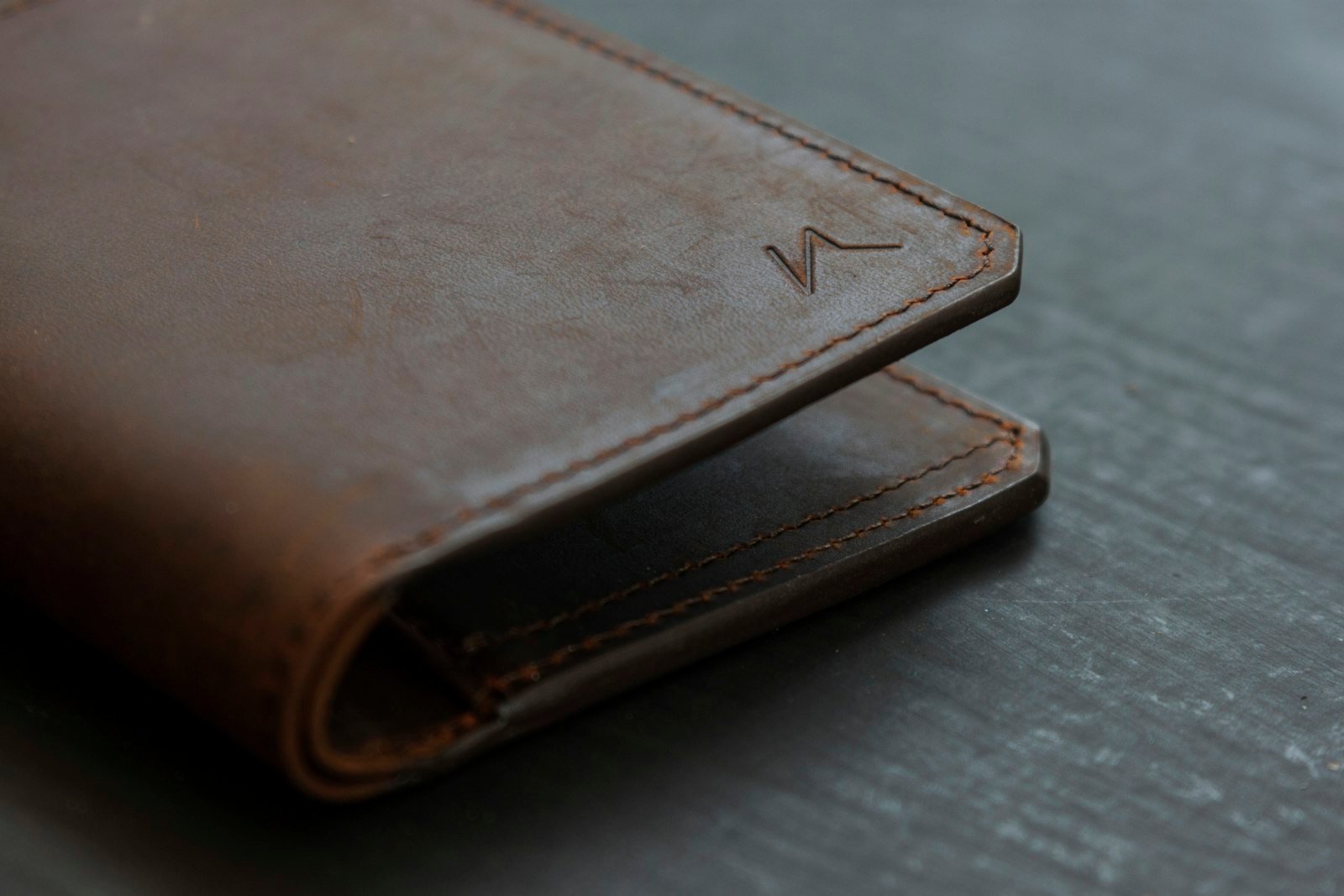
On vegetable-tanned leather, that constant handling accelerates the same patina process covered in our leather guide — which is why a well-made wallet often looks more visibly “broken in” within its first year than a briefcase does in three.
Caring for a Leather Wallet or Billfold
Wallets take more daily handling than almost anything else you own in leather, which actually helps the patina develop faster and more evenly. The same core rules apply as any other piece in the line — wipe, don’t soak; condition every few months, not every few weeks — covered in full in our vegetable-tanned Horween leather guide.
One wallet-specific habit worth adding: empty it out fully every few months, not just to declutter, but to let a conditioner reach stitching and card slots that stay compressed under constant use.
Frequently Asked Questions
Is a zip wallet better than a regular bifold?
It depends on your carry. A zip wallet fits more cards in dedicated sleeves and stays fully closed, which suits people who tend to overstuff a standard bifold; a plain bifold is thinner if you carry less.
How many cards should a wallet hold?
Most people function well with 4 to 6 cards in active use; anything carried less than monthly is usually better stored elsewhere, which also keeps your everyday wallet slimmer.
Do I need a passport wallet if I already have a regular wallet?
Not strictly, but a dedicated passport wallet is sized for a passport booklet and travel documents in a way a daily wallet isn’t, which matters most at security lines and customs.
What’s the difference between a billfold and a wallet?
“Billfold” traditionally refers to a slim, cash-focused fold-over wallet, while “wallet” is the broader term covering bifolds, zip wallets, and cardholders alike.
How do I stop overstuffing my wallet?
Empty it out, sort contents into essentials versus rarely used, and switch to a wallet with fixed, dedicated compartments so there’s no loose space left to fill with receipts and expired cards.
For more on why travelers increasingly carry a dedicated passport wallet, see Gear Patrol’s passport wallet guide.