Stylish Leather Bag Alternatives to a Diaper Bag
Most diaper bags are designed around one job — hauling baby gear — and it shows. Molded exteriors, cartoon-adjacent prints, and stroller clips dominate the category, which is exactly why so many parents quietly give up on the dedicated diaper bag within the first year and go looking for something that still looks like them.
A well-built leather tote is a legitimate alternative, not a compromise. It’s large enough to do the job, plain enough to go anywhere a diaper bag can’t — a client meeting, a nice dinner, back to work — and, unlike most dedicated diaper bags, it has an actual second life once diapers stop being part of the daily kit.
The shift is also generational as much as it is practical. A decade or two ago, a molded diaper bag with matching accessories was simply what new parents bought, largely because there wasn’t much of an alternative marketed to them directly. Now that carrying one bag for everything — work, errands, and a baby’s gear — is normal for a lot of parents, the dedicated diaper bag has started to look like the specialized purchase, rather than the default one.
What a Diaper Bag Alternative Actually Needs
Strip away the marketing and a diaper bag’s real requirements are simple: enough capacity for diapers, wipes, a change of clothes, and feeding supplies; a structure that stays open and stable rather than collapsing shut while you’re digging through it one-handed; and a surface that wipes clean without staining permanently.
| Requirement | Why It Matters | What to Look For |
|---|---|---|
| Capacity | Diapers, wipes, spare outfit, feeding supplies add up fast | A genuinely large tote, not a mid-size handbag |
| Structure | One-handed digging is the norm, not the exception | A stable base and wide-open top |
| Surface | Spills and messes are inevitable | Vegetable-tanned leather wipes clean and hides marks well |
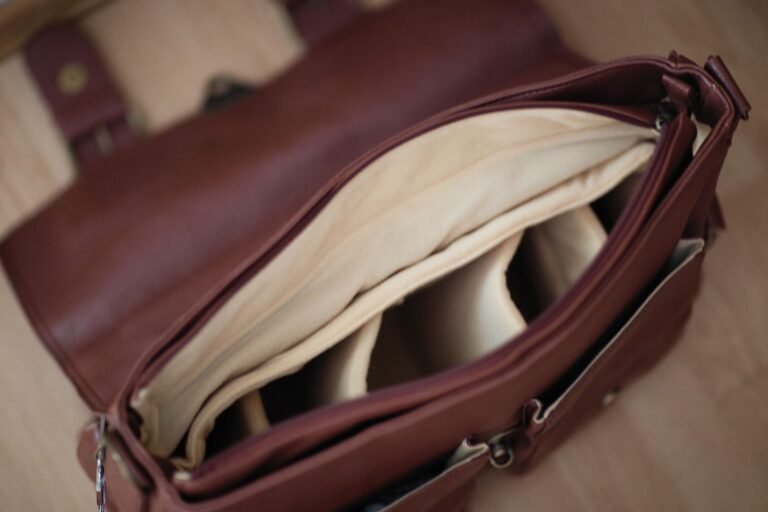
| Interior | Small items get lost in one giant cavity | Interior pockets, or a willingness to add organizer pouches |
Vegetable-tanned leather has a real practical advantage here beyond looks. Because it develops a patina rather than staying pristine, small scuffs and marks from years of daily baby-gear duty blend into the leather’s character instead of reading as damage the way they would on a lighter, coated fabric bag.

Why the Oxblood Raw Tote Works for This
Our Oxblood Raw Tote was built as an oversized, structured tote first, which happens to line up closely with what a diaper bag actually needs — real capacity, a stable open top, and a deep oxblood tone that hides the inevitable marks of daily use far better than a lighter color would.
It also solves the “second life” problem directly. A dedicated diaper bag typically gets retired the moment diapers stop being necessary; a well-made leather tote just keeps working afterward, for the office, for travel, or simply as a large everyday bag, which makes the upfront cost land very differently over the years you’ll actually use it.
Run the actual math and the comparison favors the tote more than it first appears. A quality diaper bag runs somewhere between $80 and $200 and is realistically used for two to three years before a second child either extends its life or a worn-out zipper ends it early. A well-made leather tote at a similar price point is still being carried five or ten years later, simply because nothing about its design was ever tied to a phase of parenting that eventually ends.

Organizing a Tote for Diaper Bag Duty
An open tote without internal structure needs a system layered on top of it, and that system is what actually makes the difference between a genuinely usable bag and a beautiful bag you keep digging through in frustration.
- Group by category, not by item. One pouch for diapers and wipes, one for feeding supplies, one for a spare outfit — three zip pouches beat one loose pile every time.
- Put the most-reached-for items on top or in the most accessible pouch. Diapers and wipes get used constantly; a spare outfit gets used rarely. Pack accordingly.
- Use a clear or light-colored pouch for small items. Pacifiers, teething toys, and hair clips disappear into a dark leather interior otherwise.
- Keep a dedicated wipeable pouch for anything that might leak. A bottle or a diaper-cream tube going straight against unlined leather is asking for a stain.

This same pouch system is also what makes the transition back to non-baby use painless. Pull the baby-specific pouches out, and the tote reverts to a normal everyday bag in about thirty seconds, rather than needing a specialized diaper bag retired to the back of a closet indefinitely.
Leather Tote vs. Dedicated Diaper Bag
| Leather Tote | Dedicated Diaper Bag | |
|---|---|---|
| Appearance | Works anywhere, no baby branding | Usually reads as baby gear specifically |
| Built-in organization | Requires adding pouches | Often includes dedicated compartments |
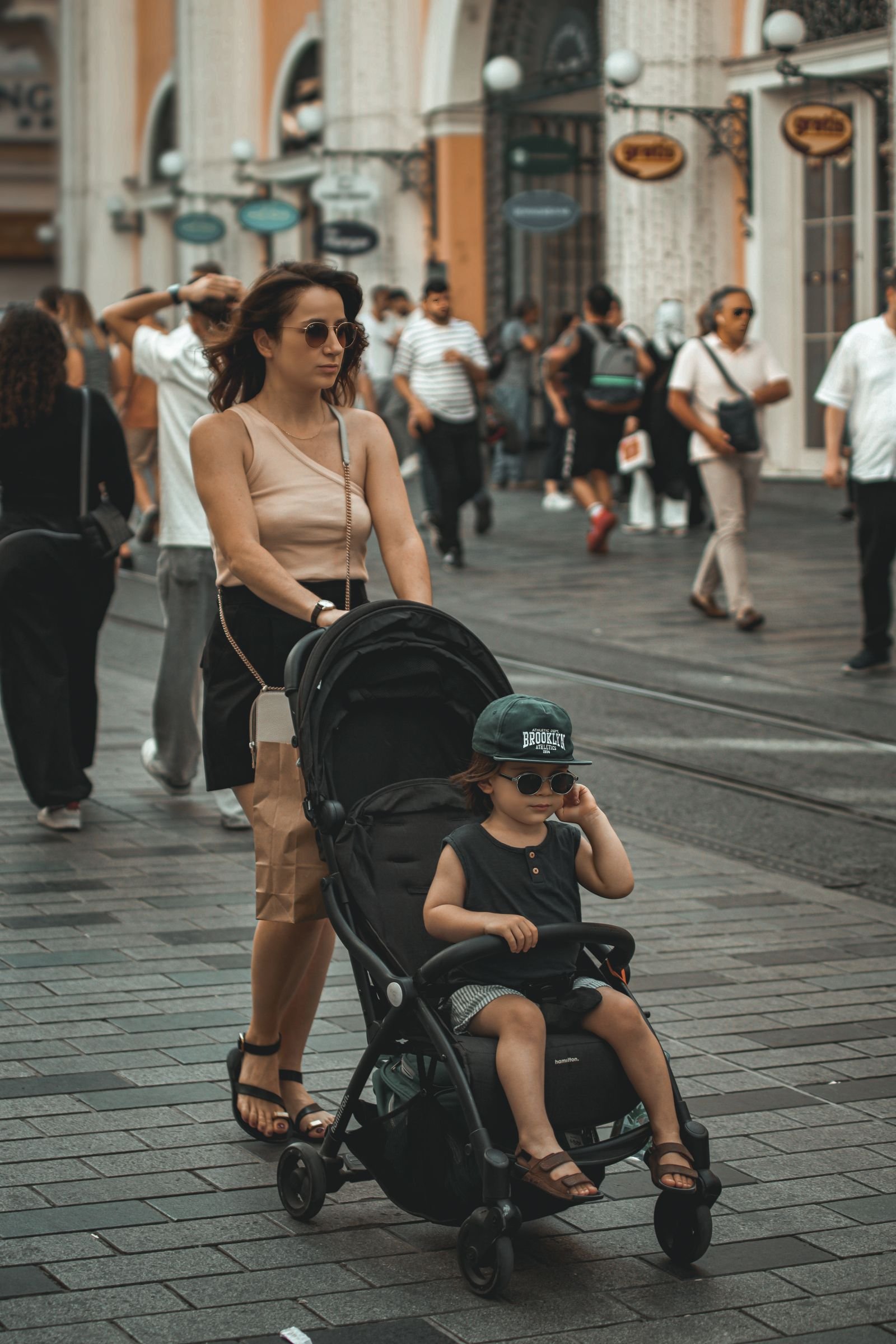
| Stroller attachment | Rarely built in | Usually included |
| Life after diapers | Full second life as an everyday bag | Typically retired once diapers end |
| Wipeable surface | Yes, with proper leather care | Yes, usually a coated or nylon exterior |

A dedicated diaper bag wins on stroller attachment and out-of-the-box organization, since it’s purpose-built for exactly that. A leather tote wins on everything after the diaper years end, which for most parents is a much longer stretch of time than the diaper years themselves.
Keeping a Leather Tote Clean Through Daily Baby Duty
Wipe spills immediately with a barely damp cloth rather than letting anything sit, and keep a small travel-size conditioner in the bag itself for a quick pass after a messier day. Our stain removal guide covers specific methods for the common culprits — formula, baby food, and diaper cream all behave differently once they’ve set in.

A lined pouch system does most of the protective work here before a spill ever reaches the leather itself, which is worth setting up before the bag sees regular use rather than after the first mishap.

Frequently Asked Questions
Can a leather tote actually replace a dedicated diaper bag?
Yes, for most day-to-day use. A large, structured tote with an organizer pouch system covers the core requirements — capacity, accessibility, and an easy-clean surface — without the baby-specific branding.
What size tote do I need to use as a diaper bag?
Large enough to fit diapers, wipes, a spare outfit, and feeding supplies without forcing everything in. An oversized tote built for daily carry, rather than a mid-size handbag, is the right category to shop in.
How do I keep small baby items from getting lost in a big tote?
Use a light-colored or clear pouch specifically for small items like pacifiers and hair clips, since they disappear against a dark leather interior otherwise.
Will diaper bag use ruin a nice leather tote?
Not if spills are wiped promptly and a pouch system keeps liquids off the leather directly. Vegetable-tanned leather also hides minor marks well as it develops patina over time.
What happens to the bag once my child is out of diapers?
It simply keeps working as an everyday tote. Pull the baby-specific organizer pouches, and the bag reverts to normal use immediately, unlike most dedicated diaper bags.
Does a leather tote work for stroller attachment like a dedicated diaper bag?
Not typically — most totes lack built-in stroller clips. If that feature matters most to you, a separate stroller hook accessory is a simple add rather than a reason to skip a tote entirely.
For more on organizing a tote for baby gear, see CALPAK’s guide to organizing a diaper bag.