Seasonal Leather Care Guide: Winter vs. Summer
The same leather bag that thrives in a dry, mild spring can crack in a heated apartment come January and go tacky in a humid August. Vegetable-tanned leather is a natural material that responds to its environment, which means the right care routine isn’t fixed — it shifts with the season and the climate you actually live in.
This guide covers what changes leather care by season: cold, dry winter air and road salt; humid, sweaty summer heat; and the storage habits that matter most in between. For specific stains, our stain removal guide covers ink, oil, wine, and water marks directly, and our leather care kit guide covers which products are actually worth owning. This one covers the conditions those products get used in.
Winter Leather Care: Cold, Dry Air and Road Salt
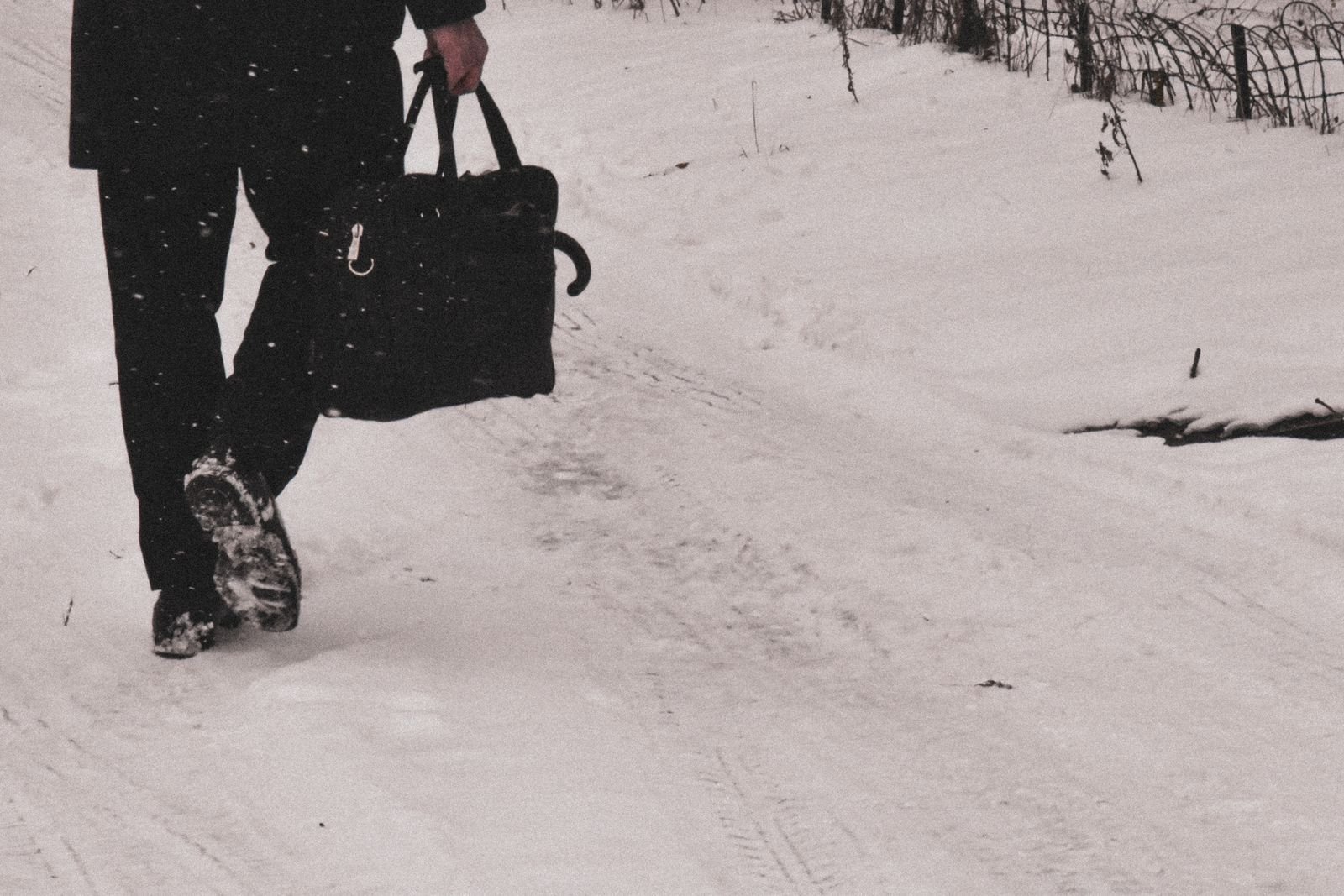
Two separate problems show up in winter, and they call for different responses. Indoor heating pulls moisture out of the air, which pulls moisture out of leather right along with it, leading to the kind of dryness that eventually shows up as fine surface cracking. Meanwhile, outdoor exposure brings snow, slush, and de-icing salt, which leaves visible white mineral deposits once the moisture evaporates.
Salt stains respond well to prompt attention rather than a heavy cleaning routine. Wipe wet salt residue off with a barely damp cloth as soon as reasonably possible, before it dries in and sets. For stains that have already dried, a mix of one part water to one part white vinegar on a soft cloth, worked gently along the mark rather than scrubbed, lifts most residue without damaging the leather’s surface.
Anyone riding a bike through winter faces a concentrated version of this exact problem, more direct exposure to slush and road salt than a typical walking commute. Our guide to leather bags for bike commuters covers weatherproofing and a tighter conditioning schedule for that specific case.
Never dry a leather bag near a radiator, heating vent, or space heater. Direct, concentrated heat pulls moisture out far faster than it can be replaced by conditioning, and it’s one of the more common ways a bag ends up with permanent cracking that no amount of conditioner afterward can fully reverse. Let leather dry at room temperature, away from any heat source, and only condition once it’s fully dry.
Summer Leather Care: Heat, Humidity, and Sweat
Summer brings the opposite problem in a different form: heat that causes fading and warping, and humidity that can leave leather feeling clammy or, in extreme and prolonged cases, invite mold growth on a piece stored somewhere poorly ventilated.

Never leave a leather bag in a hot, enclosed space like a parked car. Interior car temperatures on a sunny day climb well past outdoor air temperature within minutes, and that level of sustained heat can cause visible fading and even slight warping in leather that would otherwise hold up for years under normal daily use.
Sweat and body heat from direct skin contact, common with a crossbody bag worn against summer clothing, introduces both moisture and salt into the leather over repeated wear. A quick wipe-down with a dry or barely damp cloth after a hot, humid day prevents that residue from building up the way it otherwise would over a full season.

Winter vs. Summer Leather Care at a Glance
| Winter | Summer | |
|---|---|---|
| Main risk | Dryness, cracking, salt stains | Fading, warping, sweat residue |
| Conditioning frequency | Every 2–3 weeks in heated indoor air | Every 4–6 weeks unless heavily used |
| Biggest mistake | Drying wet leather near a heat source | Leaving a bag in a hot, parked car |
| Storage priority | Away from radiators and vents | Ventilated, out of direct sun |
Conditioning frequency isn’t a fixed schedule so much as a response to how dry or humid the air actually is around the piece day to day. A bag used daily through a dry Midwest winter needs more frequent attention than the same bag used occasionally through a mild coastal summer, even though both are technically “in season.”
The Humidity Range Leather Actually Wants
Leather holds up best in relative humidity between roughly 40% and 55%. Below that range, indoor heating in winter pulls the leather’s own natural oils toward the surface faster than conditioning can replace them. Above it, especially in a humid summer climate without air conditioning, leather can stay slightly damp to the touch and become more hospitable to mold in a closet or drawer with poor airflow.

A small dehumidifier or a handful of silica gel packets tucked into a closet is a low-cost way to nudge a naturally humid space back toward that range, particularly in climates where summer humidity runs consistently high. In a dry winter climate, the opposite problem applies — a humidifier in the room where leather goods are stored helps as much as any topical conditioner does.
Storing Leather Between Seasons
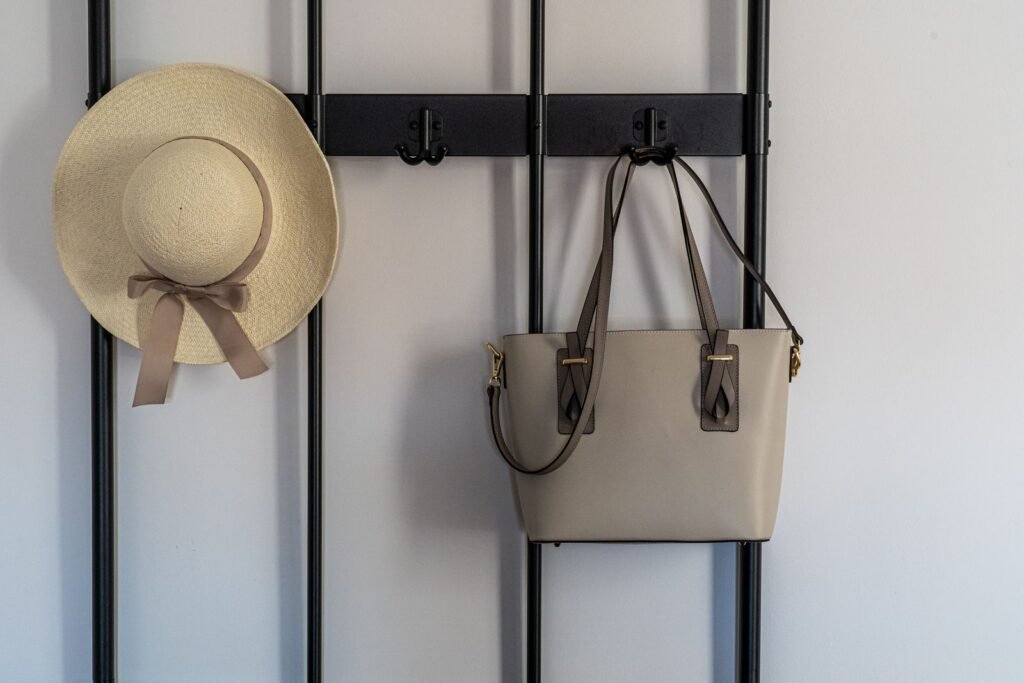
A bag that sits unused for a full season, tucked away between a spring trip and the next one, still needs airflow. Use a breathable dust bag rather than a sealed plastic bin, which traps whatever humidity is already present and can encourage mildew over months of storage. Keep the storage spot away from direct sunlight, which fades vegetable-tanned leather unevenly over time, and away from any heating vent or radiator that cycles on through a home’s coldest months.
Stuff the bag lightly with acid-free tissue paper or a soft cloth before storing it for an extended stretch, so it holds its shape rather than developing a crease that sets in over weeks of sitting flat or collapsed. A quick conditioning pass right before storage, rather than right before the next use, also means the leather goes into its dormant stretch already protected instead of drying out further while it sits.
Traveling Between Climates
A leather bag that’s spent all year in a mild, temperate climate can react noticeably to a sudden trip somewhere much more humid or much drier. Pack a small travel-size conditioner if you’re heading somewhere with a significantly different climate for more than a few days, and give the piece a light wipe-down and conditioning pass on return, since the adjustment period after a climate shift is often when leather is most vulnerable to whatever it’s freshly exposed to.
Frequently Asked Questions
How often should I condition leather in winter versus summer?
Roughly every 2 to 3 weeks in dry, heated winter air, and every 4 to 6 weeks in summer unless the piece sees heavy daily use or repeated sweat exposure.
Can I dry a wet leather bag near a heater?
No. Direct heat from a radiator, vent, or space heater pulls moisture out faster than conditioning can restore it and is a common cause of permanent cracking. Always air dry at room temperature.
What humidity level is best for storing leather?
Roughly 40% to 55% relative humidity. Below that range leather dries out faster; above it, leather can stay damp and become more prone to mold in poorly ventilated storage.
How do I remove salt stains from a leather bag?
Wipe fresh salt residue with a barely damp cloth as soon as possible. For dried stains, use a cloth dampened with a one-to-one mix of water and white vinegar, worked gently along the mark, then dry away from any heat source.
Is it safe to leave a leather bag in a hot car?
No. A parked car’s interior temperature climbs well above the outside air within minutes, and that heat can cause visible fading and slight warping in leather over repeated exposure.
Should I use a plastic bag to store leather long-term?
No. Plastic traps whatever humidity is present against the leather. Use a breathable dust bag instead, stored away from direct sunlight and heat sources.
For more on how climate affects leather care, see Mara Leather’s guide to climate and leather.