How to Store Leather Bags and Wallets So They Actually Last
More leather damage happens in storage than in use. A bag that survives years of daily carry can pick up mold, creases, or dried-out cracking in a single humid summer spent in the wrong closet.
This guide covers exactly how to store leather bags and wallets between uses — the details most people skip entirely.
None of it requires special equipment or much time. It’s mostly a matter of knowing the handful of conditions leather actually reacts to, and building a five-minute habit around avoiding them before you put something away.

The Four Storage Mistakes That Damage Leather
- Sealed plastic bags or bins. Plastic traps humidity against the leather, which is exactly the environment mold needs.
- Direct sunlight. UV exposure fades and dries leather unevenly, even through a window.
- Storing it flat and empty, or overstuffed. An unsupported bag creases at its folds; an overstuffed one strains zippers and seams.
- Ignoring it for months at a time. Leather left completely unchecked dries out and no one notices until it’s already cracking.
Individually, any one of these mistakes might not do much damage in a single season. Combined — a plastic bin, in a warm closet, forgotten for a year — they compound quickly, and by the time the damage is visible it’s usually too far along to fully reverse.
How to Store a Leather Bag Step by Step
- Clean and condition it first. Never store a bag with dirt, oils, or product residue still on it — see our Horween leather guide for the basic routine.
- Stuff it lightly with acid-free tissue paper or a bag shaper to hold its shape, without overstuffing.
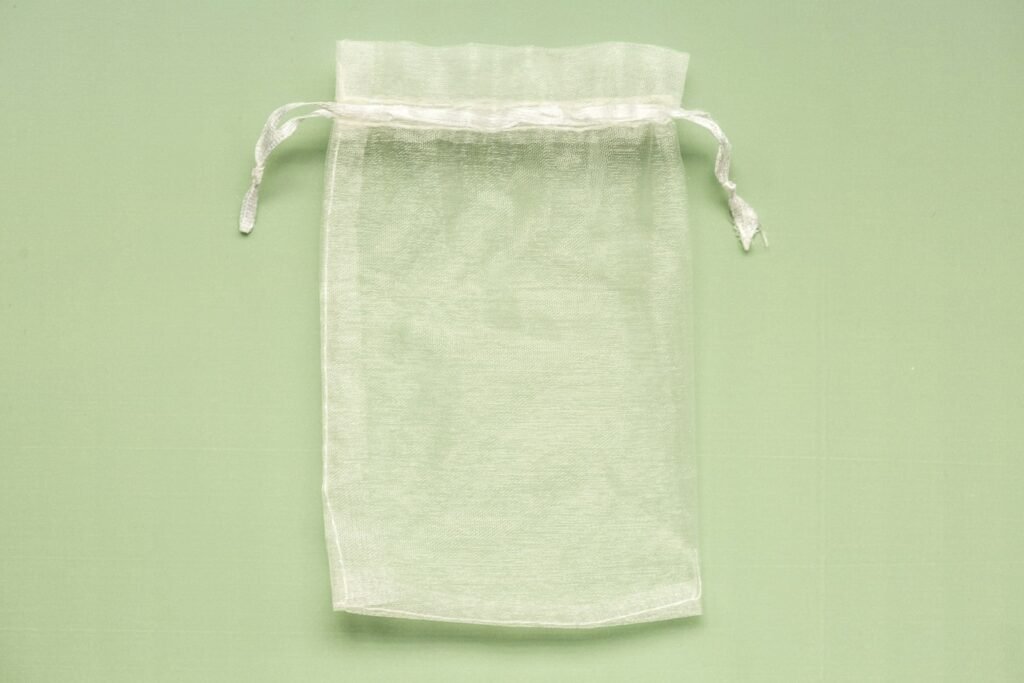
- Slide it into a breathable dust bag — cotton or muslin, never plastic. A clean pillowcase works if you don’t have the original.
- Store it upright where possible, rather than stacked flat under other items.
Ideal Temperature & Humidity for Leather Storage
| Factor | Ideal Range | Risk Outside Range |
|---|---|---|
| Temperature | 60–75°F (15–24°C) | Cold makes leather brittle; heat dries and cracks it |
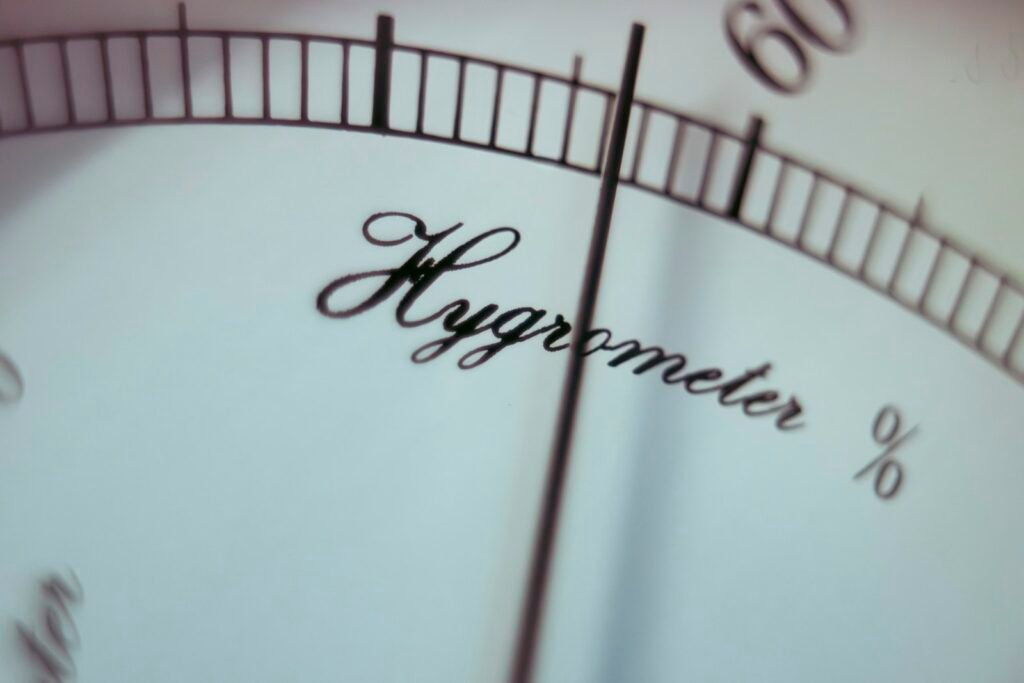
| Relative humidity | 40%–60% | Below 35%: drying and cracking. Above 65–70%: mold risk |
| Light exposure | Dark or low light | UV fading, uneven discoloration over time |
Can Leather Bags Get Moldy? Yes — Here’s How to Prevent It
Leather absorbs moisture, and a humid, poorly ventilated storage spot is exactly the environment mold needs to grow. A closet that runs warm and damp — common in basements or humid climates — is a higher-risk storage spot than it looks.
Mold on leather usually shows up first as a faint musty smell, sometimes before any visible spotting appears. If you notice that smell on a stored piece, it’s worth inspecting immediately rather than waiting for a follow-up check — early mold is far easier to treat than mold that’s had weeks to spread through the fibers.
- Add a moisture absorber, like a silica gel packet, inside the bag if your storage space runs humid.
- Never store it damp. Fully air-dry a bag before putting it away, even if it just seems slightly humid from the day’s use.
- Check on stored pieces every two to three months rather than leaving them untouched for a full season or longer.
- Improve airflow around the storage spot itself, not just the bag — a closet with no ventilation at all raises the humidity risk for everything stored inside it, not just leather.
Dust Bag vs. Plastic vs. No Cover: What Actually Works
| Breathable Dust Bag | Plastic Bag/Bin | No Cover | |
|---|---|---|---|
| Airflow | Yes | No — traps humidity | Yes, but no dust protection |
| Dust & light protection | Yes | Yes | No |
| Mold risk | Low | Higher | Low, but no protection otherwise |
| Best for | Long-term storage | Never recommended for leather | Short-term, actively used pieces |
For a genuinely high-value piece, storage also intersects with insurance. A dedicated safe or bank safe deposit box can lower theft risk enough to matter for a scheduled item, though for most everyday bags and wallets, the breathable dust bag covered above is entirely sufficient. Our leather goods insurance and appraisal guide covers where that line actually sits.
Storing Wallets vs. Bags: What’s Different
A wallet needs the same humidity and light rules as a bag, but far less structural support — there’s no large cavity to hold a shape, so stuffing isn’t necessary. The bigger risk for wallets is usually a junk drawer: loose coins, keys, or clutter pressed against the leather for months can leave marks a bag’s dust bag would have prevented. See our wallet buying guide for the specific pieces this applies to.
A wallet that’s genuinely out of rotation — a backup, a seasonal swap, or one you’re setting aside for a while — still benefits from the same basic treatment as a stored bag: a quick wipe-down, kept flat rather than folded against something hard, and tucked away from direct light rather than left on a sunny windowsill or dashboard.
Seasonal Storage for Travel Bags
A weekender bag or Dopp kit that sits unused for months between trips deserves the same care as an everyday bag — cleaned, lightly stuffed, and stored in a breathable cover rather than left zipped shut in a closet corner. Our travel bag guide and Dopp kit guide cover the specific pieces most likely to sit idle between seasons.
These pieces are also the ones most likely to get packed away still slightly used — a Dopp kit tossed in a closet right after a trip, still holding a bit of humidity from the bathroom it just left. Give travel pieces a day to fully air out before they go into long-term storage, rather than sealing them away straight off a flight.
Frequently Asked Questions
Can I store leather bags in plastic bins?
No. Sealed plastic traps humidity against the leather, creating conditions for mold. Use a breathable cotton or muslin dust bag instead.
What humidity level is safe for storing leather?
Aim for 40% to 60% relative humidity. Below about 35%, leather dries and cracks; above 65–70%, mold and structural damage become a real risk.
How often should I check on stored leather goods?
Every two to three months is a reasonable interval, checking for dryness, mold, or shape distortion, and reconditioning if needed.
Should I stuff a bag before storing it long-term?
Yes, lightly. Acid-free tissue paper or a bag shaper holds the shape and prevents creasing at folds, but avoid overstuffing, which strains zippers and seams.
Do wallets need the same storage care as bags?
The same temperature, humidity, and light rules apply, but wallets don’t need stuffing since there’s no large shape to preserve. The bigger risk is clutter pressed against the leather in a drawer.
Should I let a travel bag air out before storing it long-term?
Yes. A Dopp kit or weekender bag packed away right after a trip may still hold humidity from travel; give it a day to fully air dry before sealing it into long-term storage.
For more detailed storage tips, see Rebag’s guide to properly storing handbags.