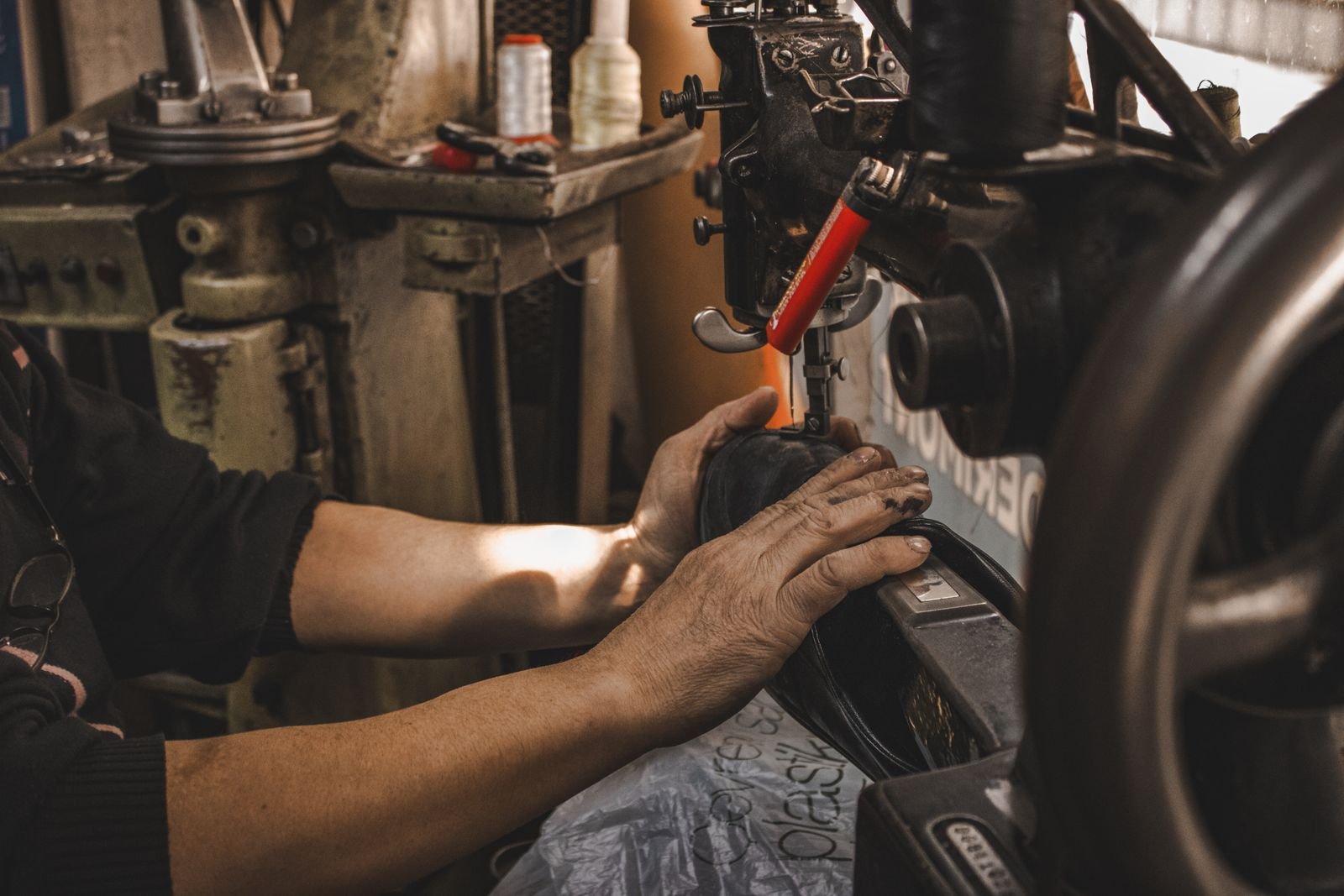
Made in the USA: What It Actually Means for Leather Goods
“Made in the USA” shows up on packaging so often that it’s easy to stop reading it as a claim at all. It is one, though — a specific, federally regulated one, and most products that imply it don’t actually meet the bar.
This guide covers what the label legally requires, how to tell a real claim from a vague one, and exactly which pieces in our own line meet it — no more, no less.
We’re being specific here on purpose. A brand that says “American craftsmanship” about its entire catalog when only part of it qualifies is doing exactly the kind of vague marketing this guide is meant to help you see through — including from us.
What “Made in the USA” Actually Requires
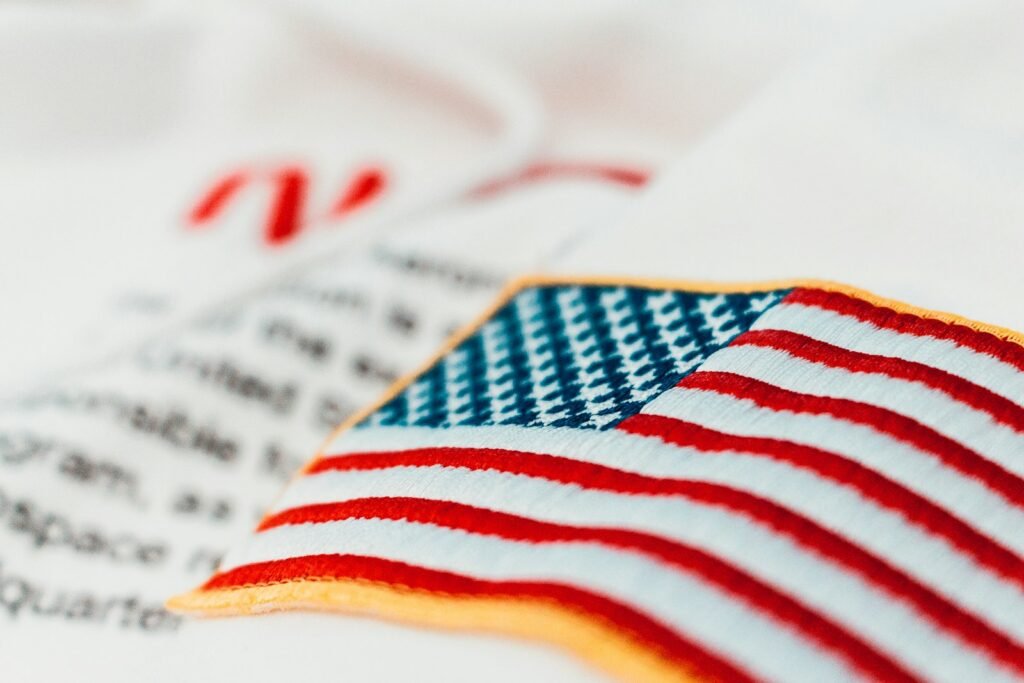
In the United States, an unqualified “Made in USA” claim is regulated by the Federal Trade Commission, and the bar is higher than most shoppers assume. The FTC’s rule requires that “all or virtually all” significant processing happen domestically — not just final assembly, and not just design.
Specifically, that means the significant inputs, the manufacturing steps, and the final assembly all need to occur in the United States before a brand can use the claim without a qualifier. A company that designs a bag in New York but cuts and stitches it overseas isn’t entitled to say “Made in USA” — legally, that’s a different, weaker claim.
How to Spot a Real Claim vs. a Vague One
Marketing language has a way of implying more than it states. A few phrases are worth treating as a signal to ask a follow-up question rather than take at face value.
- “Designed in the USA” says nothing about where it was cut, sewn, or assembled.
- “Headquartered in [US city]” describes a corporate address, not a factory floor.
- “American heritage brand” is a marketing phrase with no manufacturing claim attached at all.
- A specific city or state named for construction, like “handmade in New York City,” is the strongest and most checkable version of the claim.

Domestic vs. Imported Manufacturing: What Actually Differs
| Domestic Manufacturing | Imported Manufacturing | |
|---|---|---|
| Hardware quality | Commonly solid brass or stainless steel | Varies widely; zinc-plated hardware is common at lower price points |
| Quality control | Tighter oversight, fewer handoffs | Depends heavily on the specific factory and importer |
| Environmental regulation | Governed by US environmental standards | Varies by country of origin |
| Lead time and cost | Typically higher labor cost, smaller batches | Lower labor cost, larger production runs |
Neither column guarantees quality on its own — plenty of imported goods are well made, and a badly run domestic shop can still turn out weak stitching. What domestic manufacturing changes is how many places something can go wrong unnoticed, since there are fewer handoffs between hide and finished bag.
That’s really the underlying case for domestic production: not that it’s automatically better, but that it’s easier to verify. A shorter, more visible supply chain means a brand can actually stand behind specific claims about materials and construction, rather than relying on an importer’s word several steps removed from the factory floor.
The Real Cost-Per-Year Math
Price alone doesn’t tell you what something actually costs you. Divided by expected lifespan, the picture often flips.
| Lower-Cost Import | Durable Domestic Piece | |
|---|---|---|
| Purchase price | $300 | $1,000 |
| Typical lifespan | ~3 years | ~18 years |
| Cost per year | ~$100/year | ~$55/year |
These are illustrative, not a guarantee for any specific product — actual lifespan depends on materials, use, and care. But the direction of the math holds up across leather goods broadly: a higher purchase price paired with a genuinely longer usable life is very often the cheaper option over time, not the more expensive one.

Why This Matters More Right Now
Leather pricing has been under real pressure industry-wide, with tariffs and supply-chain disruption pushing costs up broadly across leather footwear and accessories heading into 2026. That backdrop changes the calculation on both sides of the domestic-versus-imported question.
As raw material and import costs rise together, the gap between a cheaply made import and a durable domestic piece narrows in upfront price, while the longevity advantage of the better-made piece stays the same or grows. In other words, a rising-price environment tends to make the “buy it once” argument stronger, not weaker.
Which of Our Pieces Are Handmade in the USA
We only make this claim where it’s explicitly true on the product itself, rather than as a blanket statement about the whole line.
| Product | Stated Origin |
|---|---|
| Thompson Bag | “Handmade in the USA” |
| Azure Slim Briefcase | “Designed, handmade and perfected in New York City” |
| Black Suede Slim Briefcase | “Designed, handmade and perfected in New York City” |
| Slim Briefcase Tobacco | “Designed, handmade and perfected in New York City” |
See our full Slim Briefcase and Portage comparison for how these three sit against the rest of the work-bag line.
Why This Connects Back to the Leather Itself
Domestic construction is only half the story — the leather itself matters just as much, and ours comes from Horween, a Chicago tannery that’s been processing hides in-house since 1905. Our vegetable-tanned Horween leather guide covers how that material is made and why it ages the way it does.
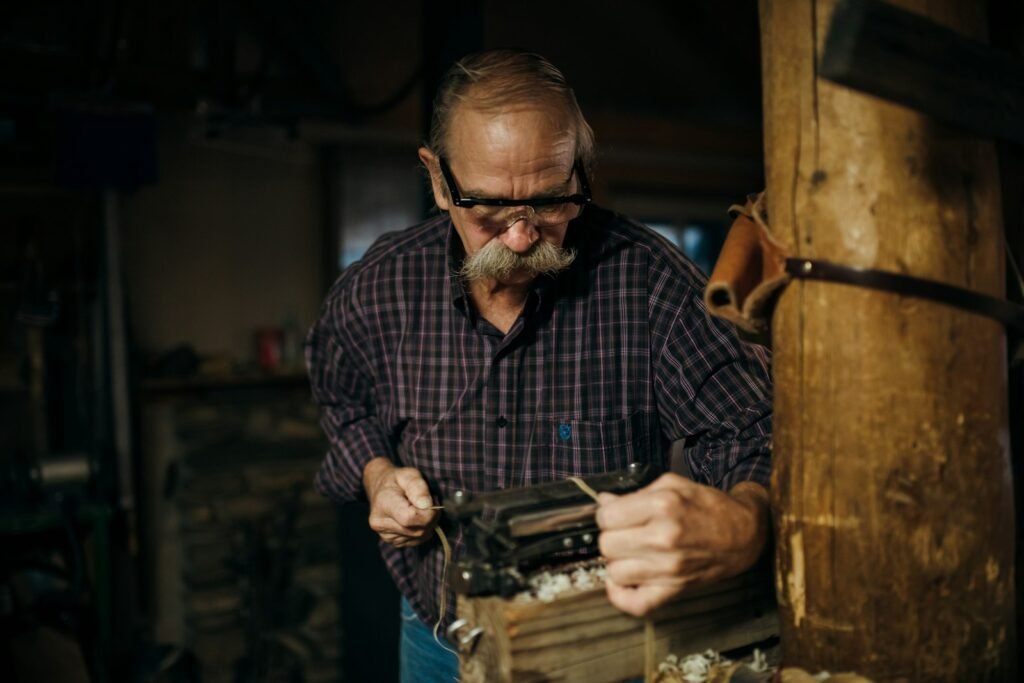
Between the leather’s origin and where a bag is actually cut and sewn, the whole supply chain for these three pieces stays domestic — which is a genuinely uncommon thing to be able to say honestly in this category.
It’s also, frankly, harder to do business this way. Smaller batches, higher labor costs, and fewer suppliers to choose from all push in the opposite direction of scale. That trade-off is the actual substance behind the claim, not just a line on a product page.
Frequently Asked Questions
What does “Made in USA” legally require?
Per FTC rules, an unqualified “Made in USA” claim requires that all or virtually all significant processing, components, and final assembly occur in the United States, not just design or headquarters location.
Is “designed in the USA” the same as “made in the USA”?
No. “Designed in the USA” only describes where a product was conceived, not where it was manufactured, and it carries no legal manufacturing requirement.
Is domestically made leather always better quality?
Not automatically, quality depends on the specific manufacturer either way. Domestic production does tend to mean fewer supply-chain handoffs and more consistent oversight, which reduces the chances of an unnoticed quality gap.
Why does American-made leather often cost more upfront?
Domestic labor costs more than manufacturing in many other countries, and production runs are typically smaller. That higher upfront cost is frequently offset by a longer usable lifespan.
Which Libero Ferrero products are actually handmade in the USA?
The Thompson Bag, Azure Slim Briefcase, Black Suede Slim Briefcase, and Slim Briefcase Tobacco all state this directly on their product pages; other pieces in the line are not currently labeled this way.
Does rising leather prices change whether domestic manufacturing is worth it?
If anything, it strengthens the case. As material and import costs rise across the board, the upfront price gap between cheap and durable options tends to shrink, while the longevity advantage of a well-made piece stays the same.
For the full FTC standard in plain language, see the FTC’s guidance on complying with the Made in USA standard.