How to Spot Genuine Full-Grain Leather (and Avoid Fakes)
Here’s the part almost nobody expects: the label “genuine leather” isn’t actually a mark of quality. It’s a specific, low grade — real hide, but the bottom tier of it — and plenty of shoppers pay a premium for it thinking they’ve found something authentic.
This guide covers how leather grades actually work, five real ways to check a piece before you buy, and where labeling gets genuinely misleading.
None of this requires special equipment or expertise. Once you know what to actually look, feel, and smell for, most of the guesswork disappears — the differences between real grades and fakes are more obvious in person than marketing copy would have you believe.
The Leather Grade Hierarchy: What the Labels Actually Mean
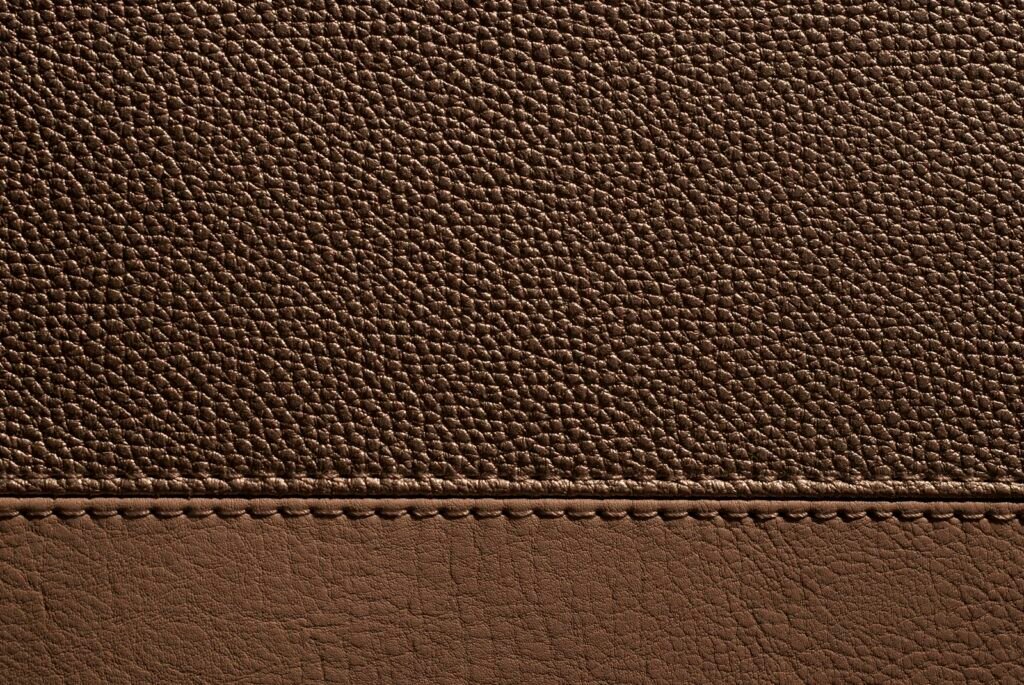
The naming here is the whole problem: “genuine” sounds like the top of the list, but it’s ranked below full-grain and top-grain in every serious grading system, with bonded leather sitting lowest of all. Our leather grades explained guide breaks down all four grades in full — what each one actually is, where it comes from on the hide, and why that origin determines durability and patina. The tests below assume you already know which grade you’re checking for.
This grade confusion causes the most real financial harm in secondhand and resale shopping, where a listing’s own description is the only information available and there’s no return window to fall back on if it turns out to be wrong. A seller describing a bonded or heavily corrected piece simply as “leather,” without specifying the grade, isn’t necessarily being dishonest, but it does mean the burden falls entirely on the buyer to verify in person or through detailed photos before paying resale prices for what might be the lowest tier available.
Five Ways to Check Leather Before You Buy
These work whether you’re shopping in person or trying to verify something before it arrives. None require special tools, and most take under a minute once you know what you’re checking for.
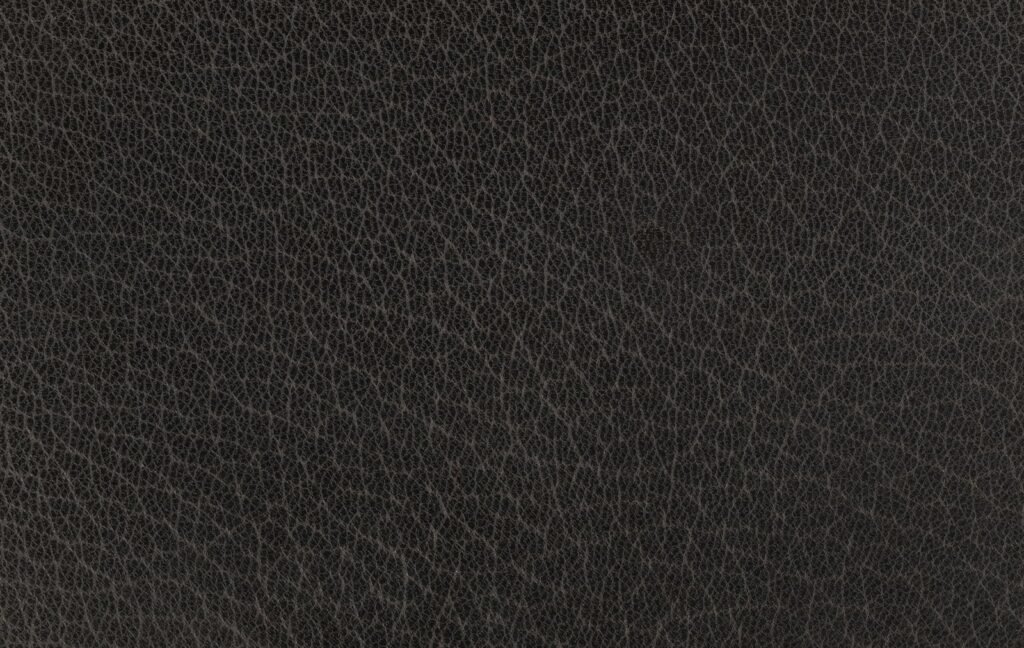
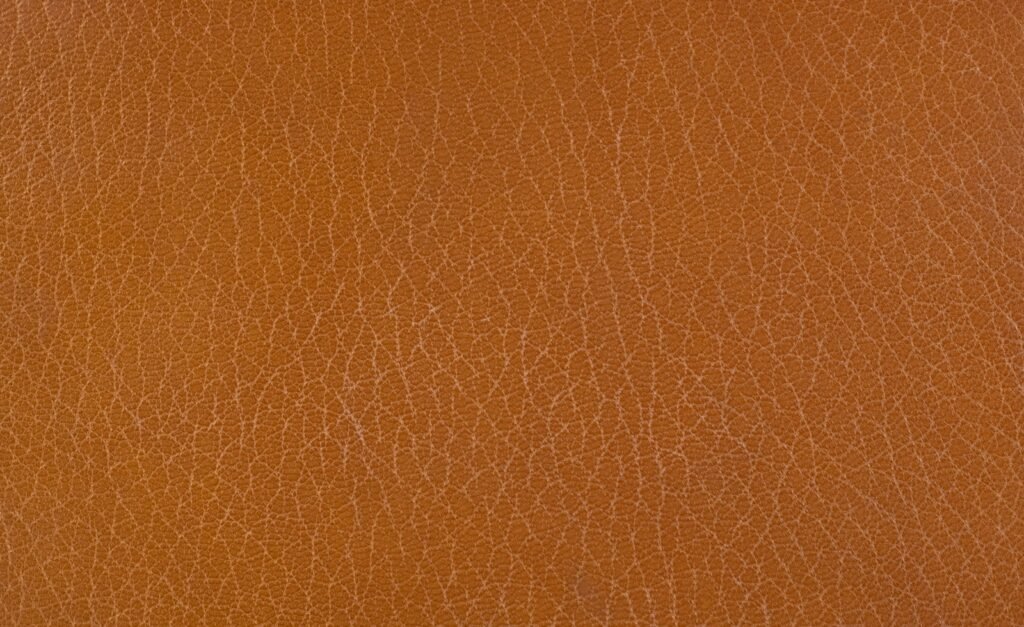
- Look closely at the grain. Real leather has slightly irregular markings; printed “fake grain” on corrected leather or synthetic repeats in a suspiciously perfect pattern.
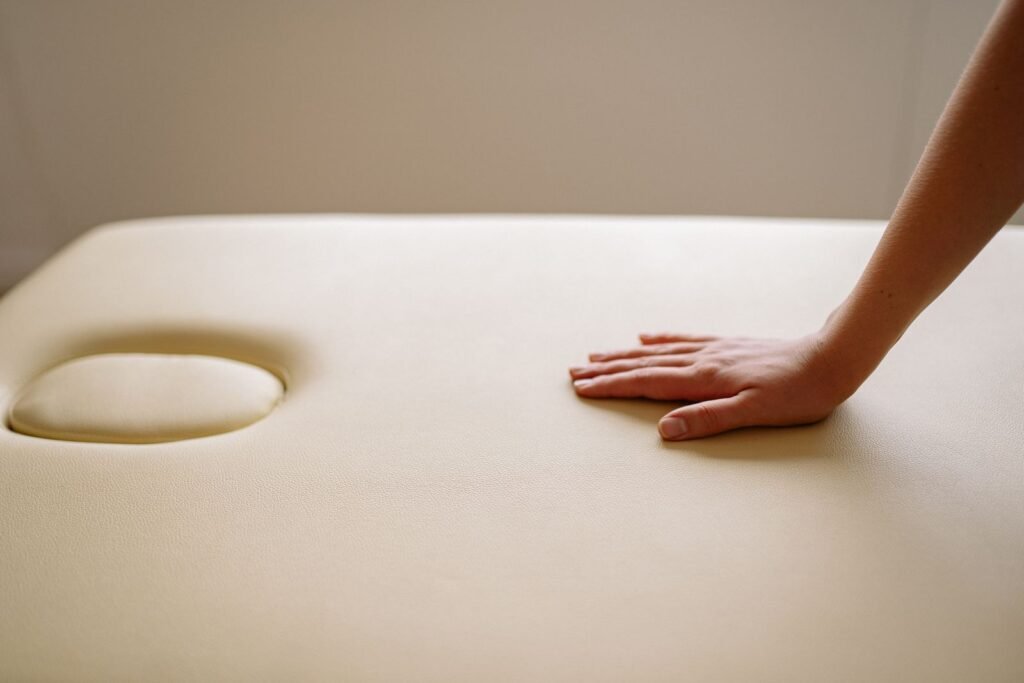
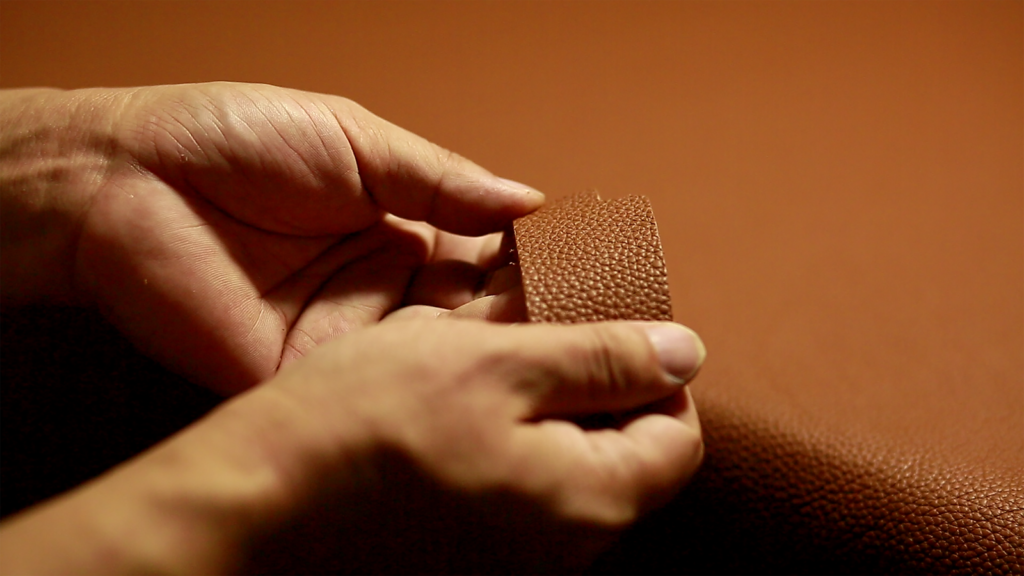
- Press it. Genuine leather wrinkles subtly under fingertip pressure, like skin, then smooths back; synthetic materials just dent and spring back uniformly.
- Smell it. Real leather has an earthy, distinct smell. Check an interior seam or unfinished edge, since surface coatings can mask the smell on the outside.
- Check the edge. A cut edge on real leather shows a fibrous, slightly rough cross-section. A smooth edge with visible fabric backing is a synthetic tell.
- Read the label carefully. Look specifically for “full-grain” or “top-grain.” An unqualified “genuine leather” or “leather” label alone doesn’t confirm grade.
The Burn Test (Use With Caution)
Real leather singes slowly, smells like burning hair, and forms brittle gray ash. Synthetic materials tend to melt and give off a chemical smell instead. This test is destructive and involves an open flame, so it only makes sense on a small, already-discarded scrap — never on something you intend to keep or a piece you haven’t purchased yet.
For everyday shopping, the five non-destructive checks above are almost always enough. The burn test is more of a last resort for settling a genuine dispute over a scrap or sample than a routine part of buying leather goods.
Real Leather vs. Fake Leather at a Glance
| Real Leather | Synthetic / Faux Leather | |
|---|---|---|
| Smell | Earthy, natural | Plastic or chemical |
| Feel | Warms to touch, flexible, slightly stretchy | Cool, stiff, doesn’t stretch |
| Grain pattern | Irregular, unique markings | Repeating, too-perfect pattern |
| Edge | Fibrous cross-section | Smooth, often with visible fabric backing |
| Aging | Develops a patina over years | Cracks, peels, or just wears out |
Why “Genuine Leather” Can Be a Red Flag, Not a Guarantee
The word “genuine” plays directly into what most shoppers assume it means. Regulators have taken notice: US labeling rules make it deceptive to describe a product as unqualified “leather” unless it’s substantially composed of real leather — but that rule doesn’t stop “genuine leather” from legally describing the lowest real-leather grade, which is exactly where consumer confusion sets in.
The practical takeaway: treat “genuine leather” as a starting point for questions, not a stopping point for trust. Ask specifically whether a product is full-grain or top-grain before assuming “genuine” means either.
This isn’t a new problem, either. The gap between what “genuine leather” implies and what it actually guarantees has been documented for years across the furniture and accessories industries, which is exactly why grading terminology exists in the first place — full-grain and top-grain are the terms that actually carry meaning, while “genuine” alone rarely does.
How to Verify What You’re Buying From Libero Ferrero
Every product page in our line names the specific material directly — “Custom Vegetable Tanned Horween® Leather,” not a vague “genuine leather” tag — which is the exact level of detail this guide recommends checking for. Our tannery comparison guide covers where that leather actually comes from.
That specificity is a useful benchmark for evaluating any brand, not just ours. A product description that names the tannery, the tanning method, and the grade gives you something to actually verify; one that just says “leather” or “genuine leather” is asking you to take quality on faith.
Frequently Asked Questions
Is “genuine leather” better or worse than “full-grain leather”?
Worse. Despite the name, genuine leather is a lower grade than both full-grain and top-grain leather in standard leather grading.
How can I tell real leather from fake without damaging it?
Check the grain pattern for natural irregularity, press it to see if it wrinkles like skin, smell an interior seam, and examine the edge for a fibrous cross-section — all non-destructive tests.
Is the burn test safe to do in a store?
No. It requires an open flame and destroys the material being tested, so it’s only appropriate on a scrap you’re willing to discard, never on a purchased item or in-store product.
What is bonded leather, and is it real leather?
Bonded leather is made from shredded leather scraps bound together with polyurethane or latex onto a backing material. It technically contains leather fibers but behaves nothing like genuine hide and wears out quickly.
Does “genuine leather” ever mean high quality?
Rarely, in the strict grading sense. It’s technically real leather, but it sits below full-grain and top-grain, and the label alone doesn’t guarantee good construction or a long lifespan.
What should I look for in a product description instead of “genuine leather”?
Look for the specific grade — full-grain or top-grain — plus the tanning method and, ideally, the tannery name. That level of detail is far more verifiable than a generic material claim.
For more detail on spotting fake leather, see Buffalo Jackson’s guide to identifying real leather.