How Often Should You Replace a Wallet? A Lifespan Guide
“Replace your wallet every 2 to 3 years to stay current” is advice built for fast fashion, not leather goods. A genuinely well-made, full-grain vegetable-tanned wallet should outlast that timeline by five to ten times over, and treating a fashion-cycle number as a durability fact leads people to replace a wallet that still has a decade of life left in it.
This guide covers how long a wallet should actually last by construction quality, the real signs it’s time for a new one, and how to tell genuine wear from healthy patina.
Wallets get replaced more casually than almost any other leather good, since they’re relatively inexpensive and easy to swap on impulse. That’s exactly why so many end up in landfill well before their actual useful life is over — the barrier to replacing one is low, but the cost of that habit adds up in both money and unnecessary waste over a decade of casual upgrades.
How Long Should a Wallet Actually Last?
| Material Quality | Typical Lifespan |
|---|---|
| Synthetic or bonded leather | 6 months–2 years |
| Genuine leather (lower grade, coated) | 2–4 years |
| Top-grain leather | 5–10 years |
| Full-grain, vegetable-tanned leather | 10–20+ years with basic care |
The spread here is the whole story. A wallet’s expected lifespan has far more to do with which of these four tiers it actually belongs to than with how carefully it’s used day to day. Our wallet buying guide covers how to tell these grades apart before you buy, which matters more for long-term cost than the sticker price alone.
Run the math on cost per year and the case for buying at the top of this table becomes obvious. A $30 bonded-leather wallet replaced every two years costs roughly the same over a decade as a single $150 full-grain piece that’s still going strong at year ten, except the cheaper option also generated five discarded wallets along the way instead of one.
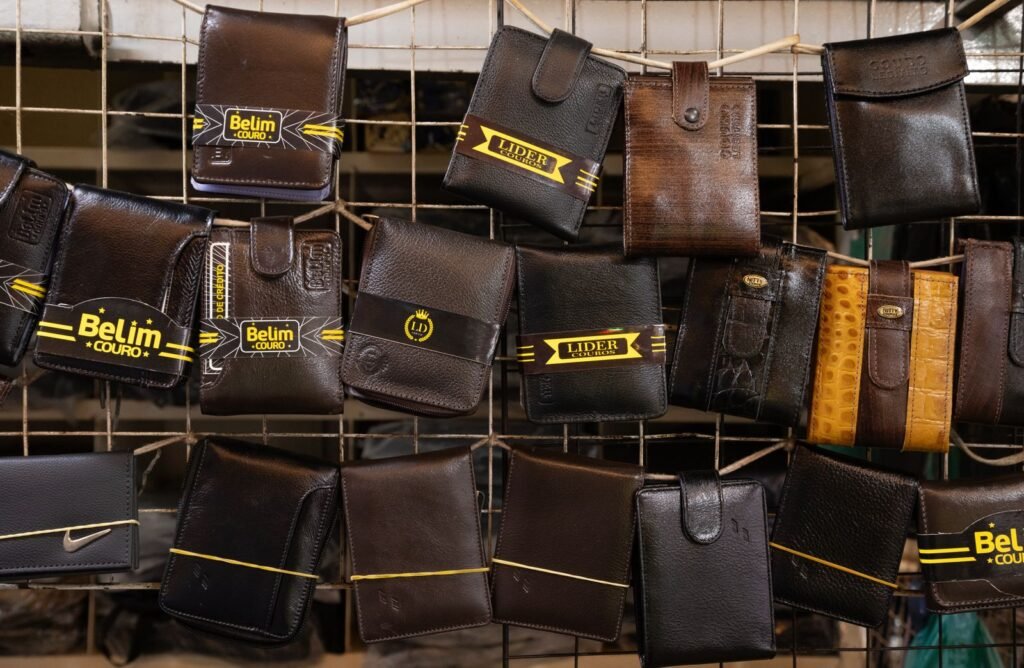
5 Signs Your Wallet Actually Needs Replacing
- Structural cracking that conditioning doesn’t soften. Surface dryness responds to conditioner; deep, permanent cracks in the leather itself don’t.
- Failed stitching at multiple points. One loose thread is repairable; unraveling seams at several card slots signal the wallet’s construction is failing broadly.
- Cards falling out on their own. Stretched card slots that no longer hold cards snugly indicate the leather has lost structural tension it won’t regain.
- A broken snap, zipper, or closure that can’t be repaired or replaced by a cobbler.
- Permanent misshaping from years of overstuffing, where the wallet no longer sits flat or closes fully.
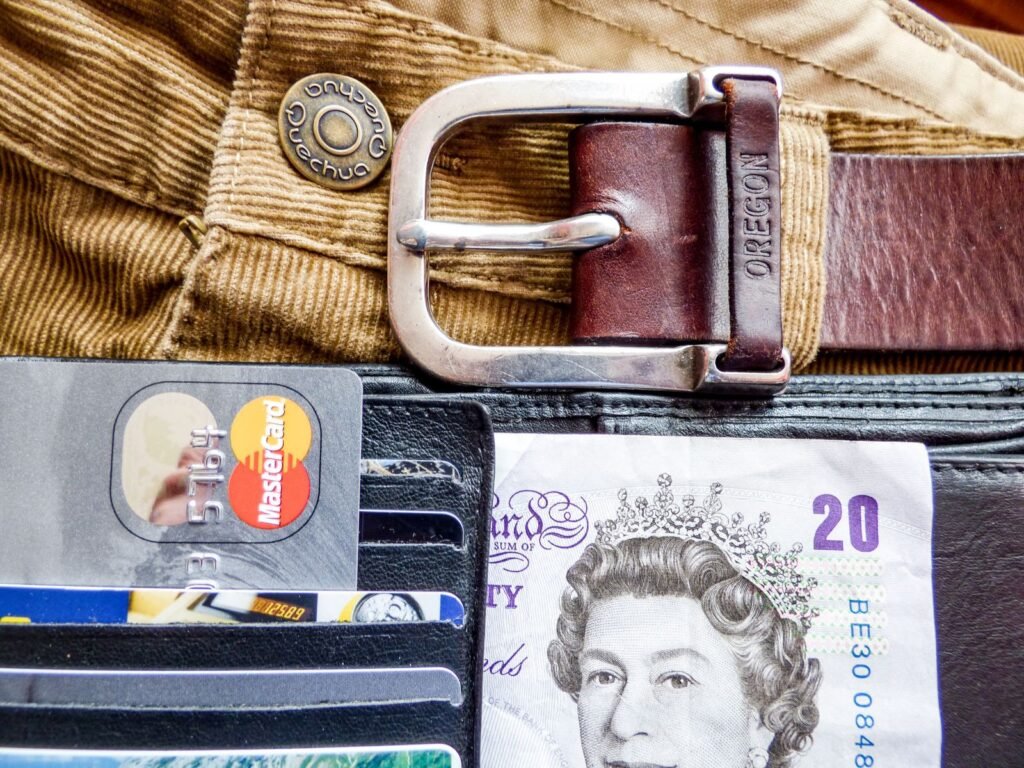
What’s Just Patina vs. What’s Actual Wear
This distinction gets confused constantly, and it’s worth separating clearly. Darkening at handling points, a slightly softer feel, minor surface marks that blend in over time — all of that is vegetable-tanned leather aging exactly as designed, not damage. Our leather guide covers what healthy patina actually looks like in more depth.
Actual wear looks different: it’s structural, not cosmetic. A crack that catches a fingernail, a seam that’s visibly separating, a card slot that’s stretched past the point of holding a card — these are function failing, not just appearance changing.
A simple test when you’re unsure: run a finger over the mark in question. Patina is smooth, even if it’s darker or has a slightly different texture than the surrounding leather. Genuine damage has an edge, a crack you can feel catch, a seam with a visible gap, a slot that’s noticeably looser than it used to be. That tactile difference is more reliable than appearance alone, especially on darker leathers where visual changes are harder to judge at a glance.
Extending Your Wallet’s Life
Regular conditioning is the single biggest lever for actually reaching the upper end of a wallet’s expected lifespan rather than falling short of it. Our leather care kit guide covers which products are worth keeping on hand for this.
Overstuffing is the other major factor within your control. A wallet holding twice the cards it was designed for stretches its slots and stresses its stitching far faster than normal daily use alone ever would.
A quick habit worth adopting: periodically empty the wallet completely and only put back what’s actually used regularly. Loyalty cards, old receipts, and expired documents accumulate quietly and are frequently the difference between a wallet that fits its designed capacity and one that’s chronically overstuffed without the owner quite noticing how it happened.
When to Upgrade Even If It’s Not “Worn Out”
Replacement isn’t only about damage. A few legitimate reasons to upgrade a wallet that’s still functionally fine:
- Your card count has genuinely changed — carrying meaningfully more or fewer cards than the wallet was designed to hold.
- You’ve switched carry position, front pocket to back or vice versa, which changes what thickness and shape actually works for you.
- A career change shifted your formality needs enough that the old wallet’s style no longer fits daily context.
None of these require waiting for damage first. A perfectly intact wallet that no longer fits how you actually live is a reasonable one to retire, separate from any question of durability.
Even in these cases, a wallet retired for fit reasons rather than damage doesn’t have to become waste. A still-functional piece can be passed along, sold, or kept as a genuine backup for situations where the primary wallet isn’t practical, rather than discarded simply because it’s no longer the daily choice.
Frequently Asked Questions
How often should I replace my leather wallet?
Based on actual condition, not a fixed timeline. A full-grain vegetable-tanned wallet reasonably lasts 10 to 20 years or more; replacing on a fixed 2-to-3-year cycle is a style preference, not a durability requirement.
Is cracking always a sign my wallet needs replacing?
Surface dryness responds to conditioning and isn’t a dealbreaker. Deep, permanent cracks that conditioning doesn’t soften are a genuine sign of structural failure.
Does patina mean my wallet is wearing out?
No. Darkening and softening from handling is vegetable-tanned leather aging as intended, not a sign of damage or deterioration.
What actually shortens a wallet’s lifespan the most?
Overstuffing beyond its designed card capacity stresses stitching and stretches card slots faster than normal daily use does on its own.
Should I replace a wallet that’s still intact but doesn’t fit my needs anymore?
Yes, that’s a legitimate reason to upgrade, separate from durability. A change in card count, carry position, or formality needs can justify replacement even without damage.
How can I tell if my wallet’s stitching is failing?
Check for loose threads or separating seams at multiple points, not just one. A single loose stitch is usually repairable; failure at several points signals broader construction wear.
For more on leather wallet lifespan by construction quality, see Gent Create’s guide to how long a leather wallet lasts.