How to Clean and Care for Suede Leather Goods
Suede rewards a completely different set of habits than smooth leather, and treating it the same way — a damp cloth, a dab of conditioner, wiping off a rain spot — is how most suede damage actually happens.
This guide covers real cleaning methods, whether protector spray is worth using, and what to do the moment suede gets wet, including on our own Black Suede Slim Briefcase.
None of it is complicated once you know the few rules that actually matter. Most suede damage isn’t from age or use — it’s from someone reaching for water, a leather conditioner, or a scrub brush that was never meant for this material in the first place.
Why Suede Needs Different Care Than Smooth Leather
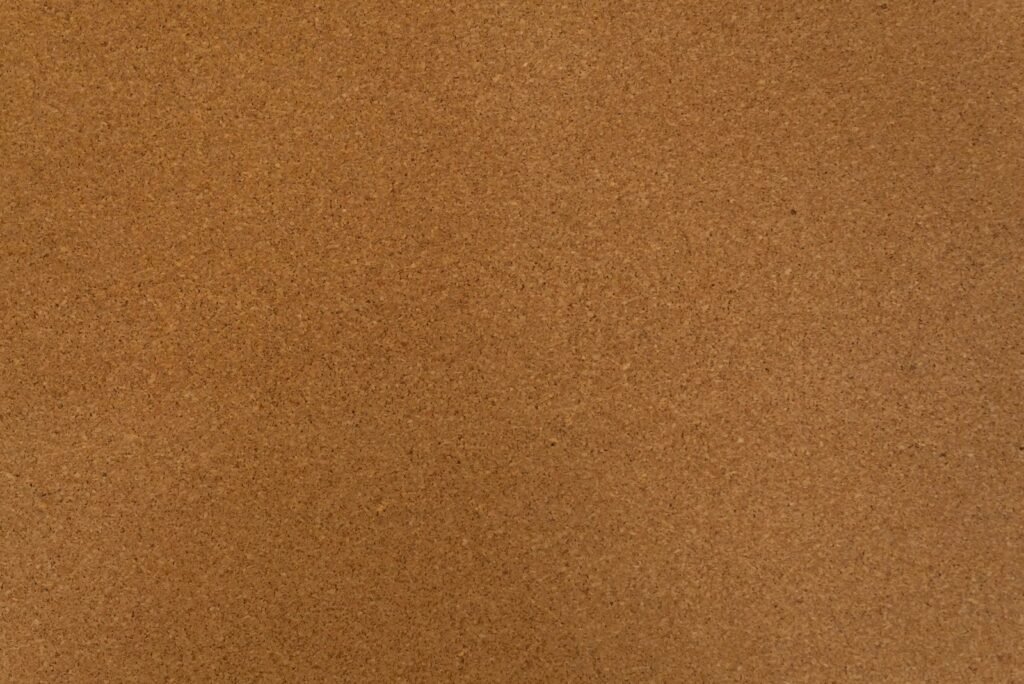
Suede is cut from the underside of the hide rather than the tough, grain-side top layer used for full-grain leather — which is why it has a soft, napped texture instead of a smooth surface. That structure absorbs liquid and marks far more readily than the leather covered in our vegetable-tanned Horween leather guide, and it needs different tools to clean.
Daily Suede Maintenance
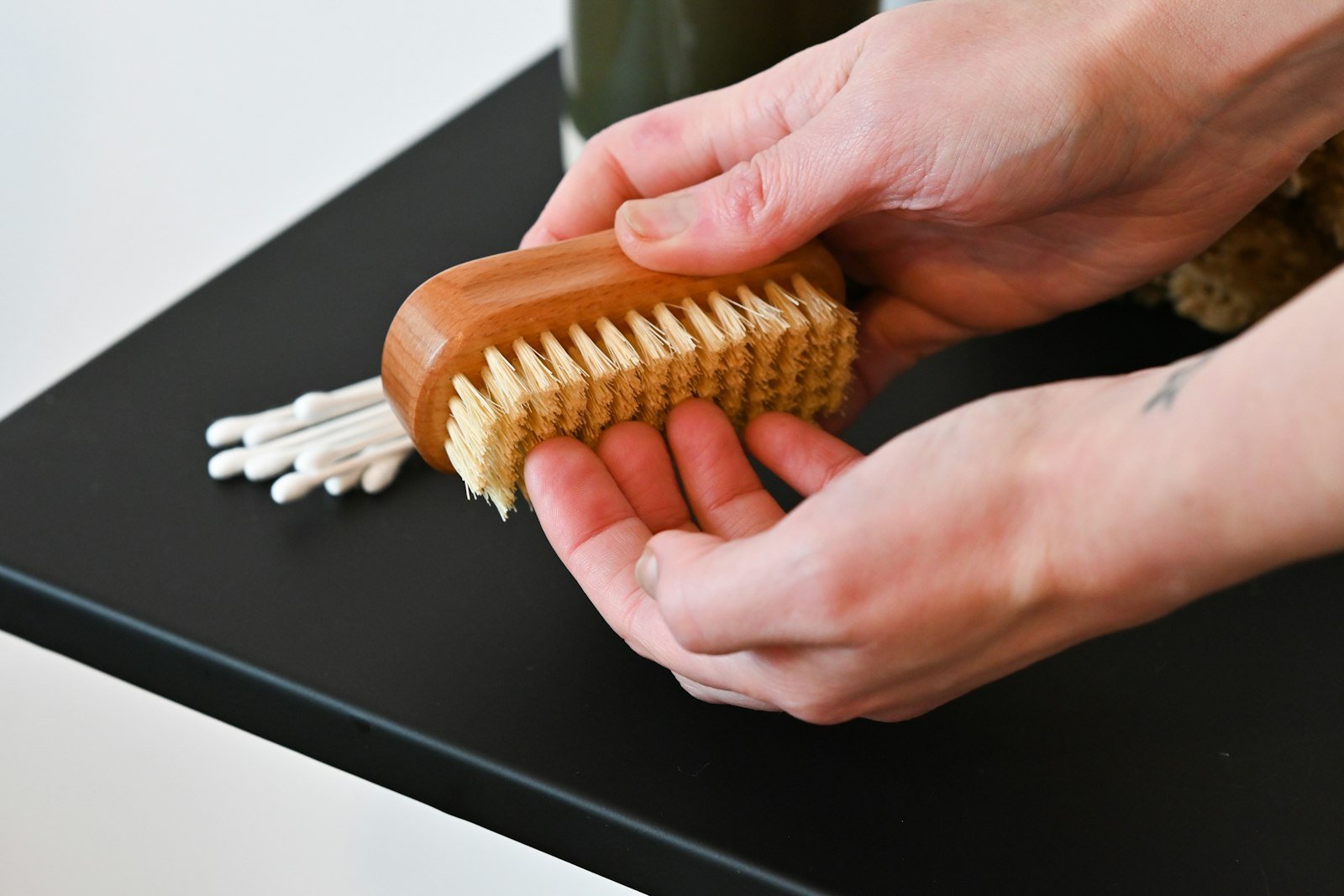
- Brush along the grain in one direction with a dedicated suede brush to lift surface dust and dirt before it sets in.
- Never use water or a damp cloth for routine cleaning — it’s the single most common way suede gets watermarked.
- Store it away from direct sunlight, which fades suede’s color unevenly over time.
- Keep it away from perfume and cologne overspray, which can leave permanent discoloration on suede the way it rarely does on smooth leather.
None of this takes long, but it needs to happen regularly rather than only when something already looks off. A quick brush-down every week or two prevents most of the buildup that eventually turns into a stain worth worrying about.
How to Remove Common Suede Stains
| Stain Type | Method |
|---|---|
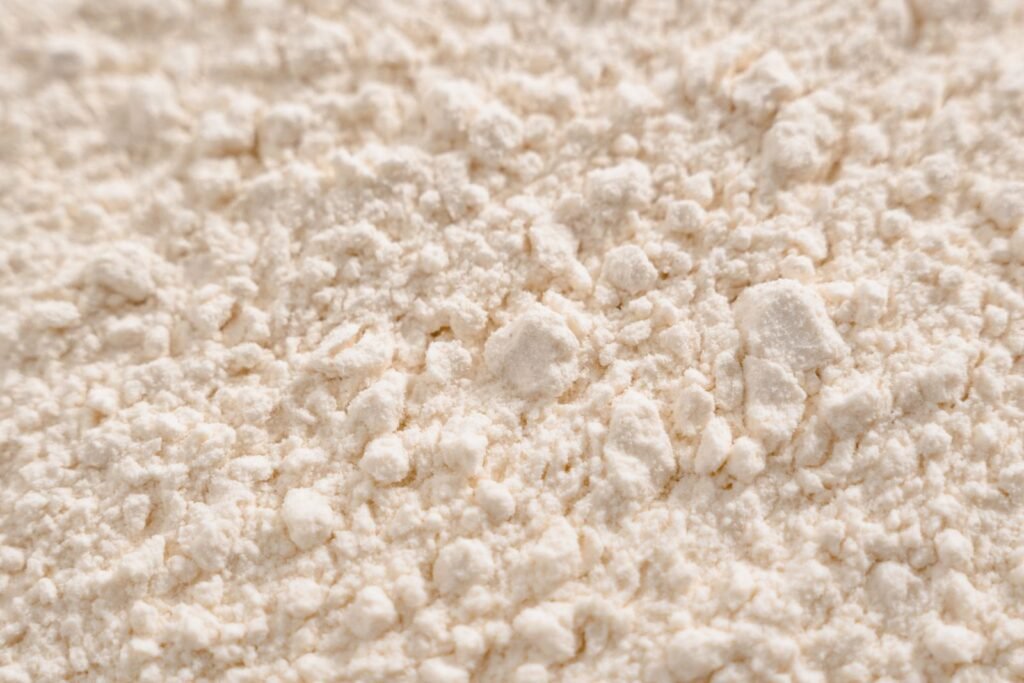
| Oil or grease | Cover with cornstarch or baking soda, let sit several hours, then brush away |
| General surface marks | Gently rub with a clean, unused pencil eraser |
| Set-in stains | Dab with white vinegar or rubbing alcohol on a clean cloth, then air dry |
| Water spots | Blot with a cloth dampened in rubbing alcohol or white vinegar, then air dry |
Always spot-test any of these methods on a hidden area first — the inside of a strap or a bottom corner — before applying to a visible surface. Suede takes to cleaning agents differently piece to piece, and a method that works cleanly on one hide can leave a faint ring on another.
Suede Protector Spray: Does It Actually Work?
Yes, when it’s the right kind and applied correctly. A quality suede protector adds a breathable, water- and stain-repelling layer without changing the suede’s color or texture — but it’s a repellent, not a waterproofing seal, and it needs reapplying periodically.
The distinction matters: a repellent buys you time to react to a spill or a light drizzle before it soaks in, not permanent immunity from water. Treat it as a first line of defense, not a reason to stop being careful in genuinely wet conditions.
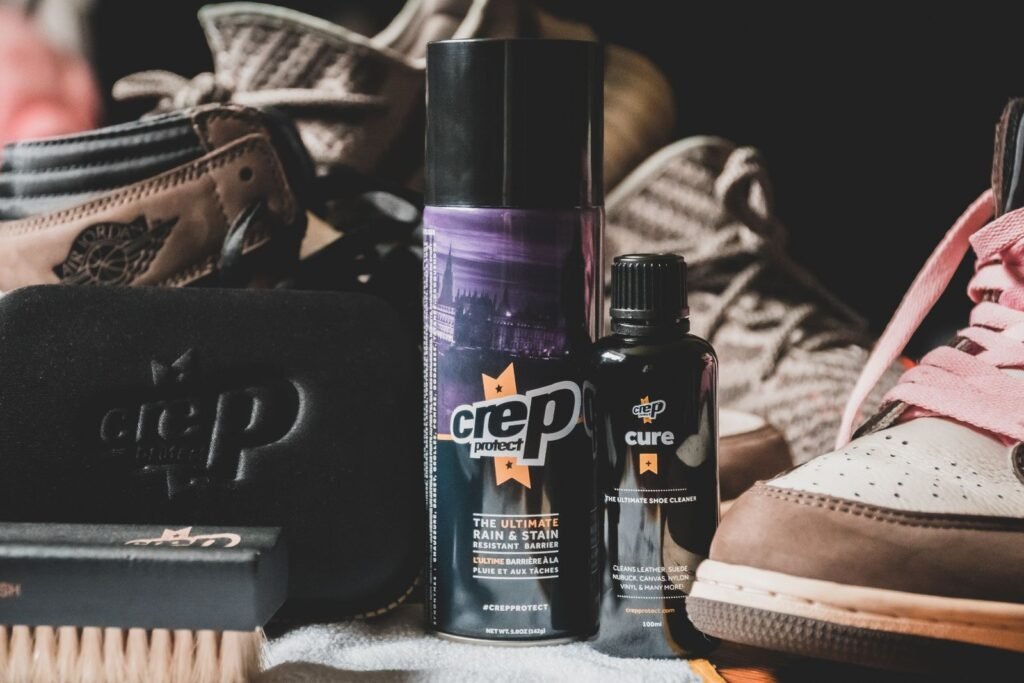
- Make sure the suede is clean and completely dry before applying.
- Hold the can 6–8 inches away and spray in a light, even layer.
- Let it dry fully before using or storing the piece.
- Reapply every few weeks of regular use, or after any deep cleaning.
What to Do If Suede Gets Wet
Suede isn’t naturally water-resistant, and the small leather “hairs” that make up its nap can stiffen and break once they’ve been wet and dried — which is how permanent damage happens.
Watermarks are the other common casualty — visible darker patches where water dried unevenly, which can be difficult to fully reverse once set. Speed matters more than technique here: what you do in the first few minutes affects the outcome far more than anything after the suede has already dried.

- Blot immediately with a microfiber cloth — don’t rub, which pushes moisture deeper into the nap.
- Brush gently while still damp, working in the direction of the grain.
- Air dry away from direct heat; a hair dryer on a cool setting can speed things up if used carefully.
- Avoid wearing or using it again until it’s fully dry, to prevent the nap from matting.
Suede Care Products Compared
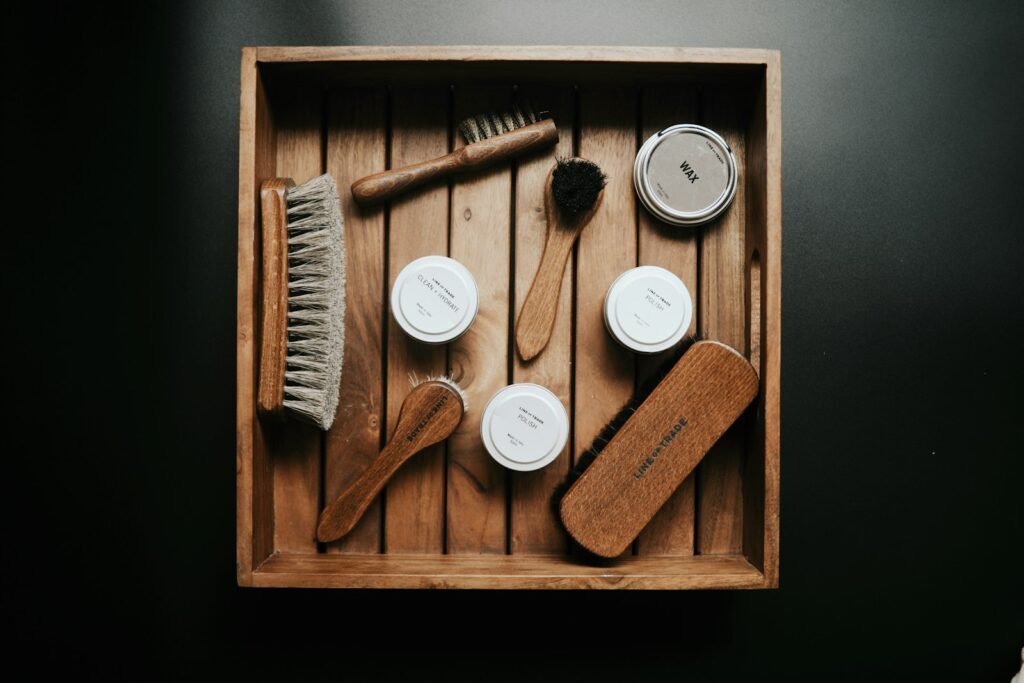
None of these tools are expensive or hard to find, which is part of why suede care gets neglected — it’s easy to assume a delicate material needs specialized, costly products when in most cases the opposite is true.
| Product | Best For | Typical Cost |
|---|---|---|
| Suede brush | Routine dust and dirt removal | $10–$20 |
| Cornstarch or baking soda | Fresh oil and grease stains | Pantry staple |
| Suede protector spray | Preventing future water and stains | $10–$20 |
| Pencil eraser | Light surface marks | Under $1 |
Caring for Our Black Suede Slim Briefcase
Our Black Suede Slim Briefcase pairs a suede exterior with Horween leather trim at the handles and edges, so it actually needs two care routines in one piece: the suede rules above for the body, and our standard leather briefcase care guidance for the trim. Keep a suede brush and protector spray on hand, and treat wet weather as the one thing worth planning around.
In practice, that means brushing the suede panels and conditioning the leather trim on two entirely separate schedules — conditioning the handles every few months, and brushing the body far more often, since it picks up dust and light contact marks just from being carried.
Frequently Asked Questions
Can I use a regular leather conditioner on suede?
No. Leather conditioners are formulated for smooth, full-grain leather and can stain or flatten suede’s nap. Use suede-specific brushes, erasers, and protector sprays instead.
How often should I reapply suede protector spray?
Every few weeks of regular use, or immediately after any deep cleaning, since the protective layer wears down with handling and exposure.
Is suede completely ruined once it gets wet?
Not necessarily. Blotting immediately, brushing while damp, and air drying slowly can prevent permanent damage; the risk comes mainly from letting it dry unattended or rubbing it while wet.
What household items can clean suede stains?
Cornstarch or baking soda for oil stains, a clean pencil eraser for light marks, and white vinegar or rubbing alcohol for set-in stains and water spots.
Why does our Black Suede Slim Briefcase need two different care routines?
Because it combines a suede exterior with Horween leather trim, each material ages and stains differently, so each needs its own specific care approach rather than one universal routine.
Can I speed up drying wet suede with a hair dryer?
Only on a cool or low-heat setting, held at a distance, while continuing to brush the nap gently. Direct heat can stiffen or crack suede, undoing any benefit from drying it faster.
For more expert suede care tips, see Who What Wear’s guide to cleaning suede bags.