Horween vs. Italian Leather: What Actually Differs
“Genuine leather” tells you almost nothing about where it actually came from. A handful of tanneries around the world do most of the heavy lifting in quality leather goods, and they’re not interchangeable — each has a distinct tradition, texture, and reputation built over decades.
This guide compares Horween, the Chicago tannery behind our own leather, against the other names that come up most often: Italian vegetable-tanned tanneries and English bridle leather.
None of these traditions is a stand-in for the others. Each developed to serve a different purpose — durability at scale, refined structure, weather resistance — and understanding that context explains a lot about why a given leather feels and ages the way it does.
Horween Leather Company: Chicago’s Century-Old Tannery
Horween has tanned leather in Chicago since 1905 and remains one of a small number of American tanneries still processing hides from raw material to finished leather in-house. It’s the tannery behind Chromexcel, one of the most recognized leathers in American bootmaking, and Shell Cordovan, widely considered the hardest leather to produce well.
Horween also supplies the official football leather for the NFL, the basketball leather for the NBA, and glove leather for Major League Baseball — a level of institutional trust built on consistency at scale, not just craft reputation.
That combination — small-batch craft credibility alongside contracts that require producing thousands of consistent hides a year — is fairly rare in leather. Most tanneries lean toward one or the other; Horween has managed to hold both reputations at once for well over a century.

Horween vs. Italian Tanneries
| Horween (USA) | Italian Vegetable-Tanned (e.g. Walpier) | |
|---|---|---|
| Tradition | American tanning since 1905, chrome and combination methods alongside veg-tan | Tuscan vegetable-tanning heritage, regulated by regional consortiums |
| Texture | Firmer, saturated color, pronounced grain | Firm, clean, almost architectural surface (Buttero-style) |
| Patina | Deep, pronounced darkening with handling | More restrained, gradual patina |
| Best known for | Chromexcel, Shell Cordovan, durability at scale | Structured bags and accessories with a refined finish |

Neither tradition is objectively better — the old idea that Italian leather automatically outranks American leather doesn’t hold up well against tanneries like Horween. It’s closer to comparing two respected wine regions than ranking a “best” and “second-best.”
Horween vs. English Bridle Leather
| Horween | English Bridle Leather | |
|---|---|---|
| Finish | Aniline or semi-aniline, natural grain visible | Hot-stuffed with waxes and tallow, waxy surface feel |
| Feel new | Firm but workable | Stiffer, greasier top coat |
| Traditional use | Bags, wallets, footwear, sporting goods leather | Saddlery, belts, equestrian tack |
| Aging | Softens and darkens with handling | Softens as the waxy coating wears, eventually resembling worn American bridle leather |
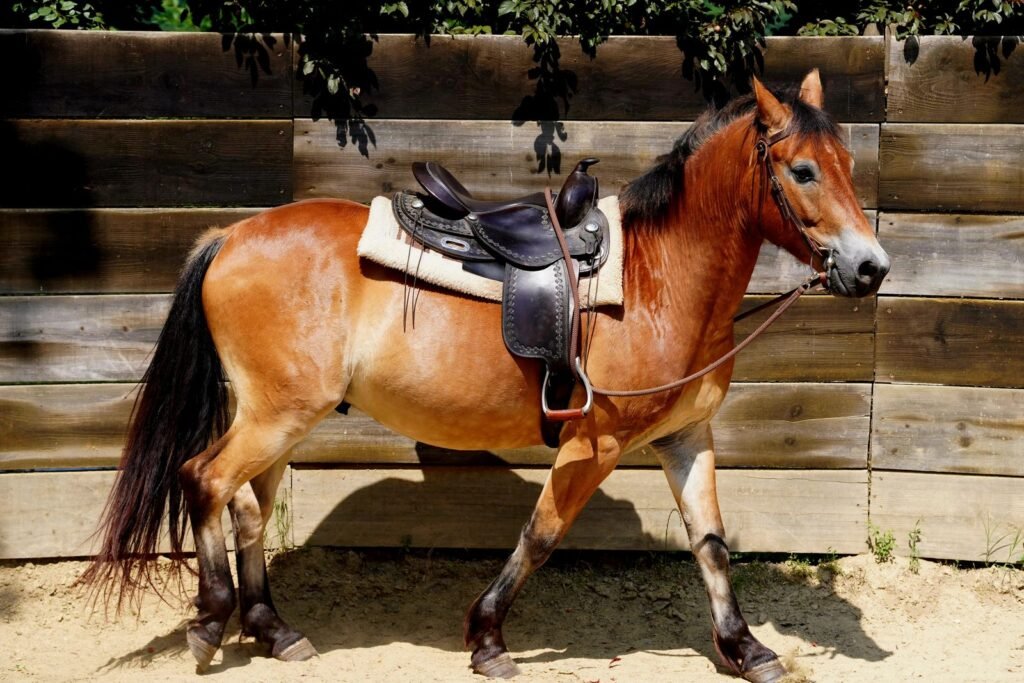
English bridle leather’s heavy wax content made sense for its original purpose — leather exposed to weather and constant friction on a horse. That same waxy stiffness is less suited to a wallet or a bag meant to feel refined against a suit rather than tack against a saddle.
That doesn’t make bridle leather worse — it makes it purpose-built for a different job. A belt or a rugged bag can genuinely benefit from that wax content and weather resistance in a way a slim wallet or a briefcase generally doesn’t.
Does the Tannery Matter More Than the Tanning Method?
Not entirely — the same tannery can produce very different leathers depending on the tanning method used. Horween itself makes both chrome-tanned and vegetable-tanned leathers; the tannery’s reputation guarantees consistency and craft, but the tanning method still determines how a specific hide behaves. Our own Horween leather guide covers exactly what vegetable tanning changes versus chrome tanning.
This is where a lot of marketing gets misleading. A product listing that says “genuine Italian leather” or “authentic American leather” is making a claim about geography, not necessarily about tanning method or grain quality. A “genuine Italian leather” wallet could still be corrected-grain and chrome-tanned — the country name alone doesn’t guarantee the construction details that actually determine how it wears. Our leather grades explained guide covers that grain-quality question directly, separate from geography or tannery reputation.
The more useful question to ask, regardless of country, is which specific tannery and which specific tanning method were used — the same two questions this guide has been asking about Horween throughout.
Why We Build With Horween
Beyond reputation, Horween lets us keep the material sourcing domestic, which matters directly to the products we make — several of which are genuinely handmade in the USA, not just assembled from imported components. A shorter, more verifiable supply chain is a real, practical reason to choose one tannery over another, separate from the leather’s texture or heritage.
There’s also a simple continuity argument. Working with one tannery, rather than sourcing hides opportunistically from wherever is cheapest that season, means the leather in a wallet bought this year and a bag bought five years from now comes from the same lineage — which matters more than it sounds like once you own more than one piece and expect them to age similarly.
A Quick Tannery Glossary
| Tannery | Country | Known For |
|---|---|---|
| Horween | USA (Chicago) | Chromexcel, Shell Cordovan, sports league leather |
| Conceria Walpier | Italy (Tuscany) | Buttero — structured, architectural vegetable-tanned leather |
| Wickett & Craig | USA (Pennsylvania) | Full-grain vegetable-tanned leather for goods and tack |
| English bridle tanneries | United Kingdom | Waxed, hot-stuffed leather for saddlery and belts |
Frequently Asked Questions
Is Italian leather always better than American leather?
No. That’s an outdated stereotype — tanneries like Horween produce leather on par with, or exceeding, many Italian tanneries. Quality depends on the specific tannery and tanning method, not the country alone.
What is Horween leather best known for?
Chromexcel, a widely used American bootmaking leather, and Shell Cordovan, considered one of the most difficult leathers to produce well. Horween also supplies official leather to the NFL, NBA, and MLB.
What’s the difference between Horween and English bridle leather?
English bridle leather is hot-stuffed with waxes and tallow for a stiff, weather-resistant finish suited to saddlery. Horween leather is firmer but more workable, better suited to bags, wallets, and footwear.
Does the tannery matter more than the tanning method?
Both matter. The tannery determines craft and consistency, but the same tannery can produce chrome-tanned or vegetable-tanned leather with very different characteristics.
Why does Libero Ferrero use Horween leather specifically?
Horween’s reputation and vegetable-tanned options align with our focus on durability and patina, and sourcing from an American tannery supports the domestic supply chain behind several of our handmade-in-the-USA pieces.
Does “genuine Italian leather” or “genuine American leather” guarantee quality?
No. Country of origin describes geography, not tanning method or grain quality. A product can be genuinely from a given country and still use corrected-grain or chrome-tanned leather of lower overall quality.
For more on the world’s leading leather tanneries, see Carryology’s guide to the world’s most extraordinary tanneries.