The Digital Nomad Leather Gear Guide: What Actually Earns a Spot in Your Bag
Most digital nomad gear lists lead with a technical backpack, and for hostel-hopping, city-a-week travel, that’s the right call. But a large share of remote workers aren’t doing that anymore — they’re spending a month in one place, working from the same coworking desk most days, and taking the occasional weekend trip. That’s a different packing problem, and it’s the one this guide actually addresses.
We’re not going to pretend a leather briefcase replaces a 40-liter technical backpack for someone changing cities every four days. It doesn’t, and any guide claiming otherwise is selling you the wrong bag. What we will cover honestly is which leather pieces genuinely earn a spot in a slower nomad’s kit, and where a rugged nylon pack is simply the better tool.
Fast Nomad vs. Slow Nomad: Which One Are You?
| Travel Style | Typical Pattern | Better Bag Category |
|---|---|---|
| Fast nomad | New city every 3–7 days, hostels, budget flights | Technical 30–40L backpack |
| Slow nomad | One city per month or longer, coworking desk, apartment rental | Leather briefcase or bag + separate day pack |
| Hybrid nomad | Base city most weeks, occasional weekend trips | Leather briefcase for daily use, packable duffel for trips |
Most gear guides assume everyone is a fast nomad, which is where the “you need a rugged backpack” advice comes from. If that’s genuinely your pattern, a purpose-built technical pack from a travel-gear brand is the right call, not a leather bag. If you’re closer to slow or hybrid, the calculation changes considerably, and that’s where the rest of this guide applies.
It’s worth being honest about which group is actually growing. Remote work surveys consistently show more people settling into a base city for a month or longer rather than backpacking city to city every few days, largely because visa rules, coworking memberships, and apartment leases all reward staying put. That shift is exactly what makes a leather-based kit worth considering for a meaningful share of remote workers, not just a niche preference.

The Core Nomad Leather Kit
For a slow or hybrid nomad, the pieces below solve real, recurring friction points rather than sitting unused in a bag.
| Need | Piece | Why It Earns Its Spot |
|---|---|---|
| Daily coworking carry | Slim Briefcase or Portage | Fits a laptop and cables without the bulk of a full travel backpack |
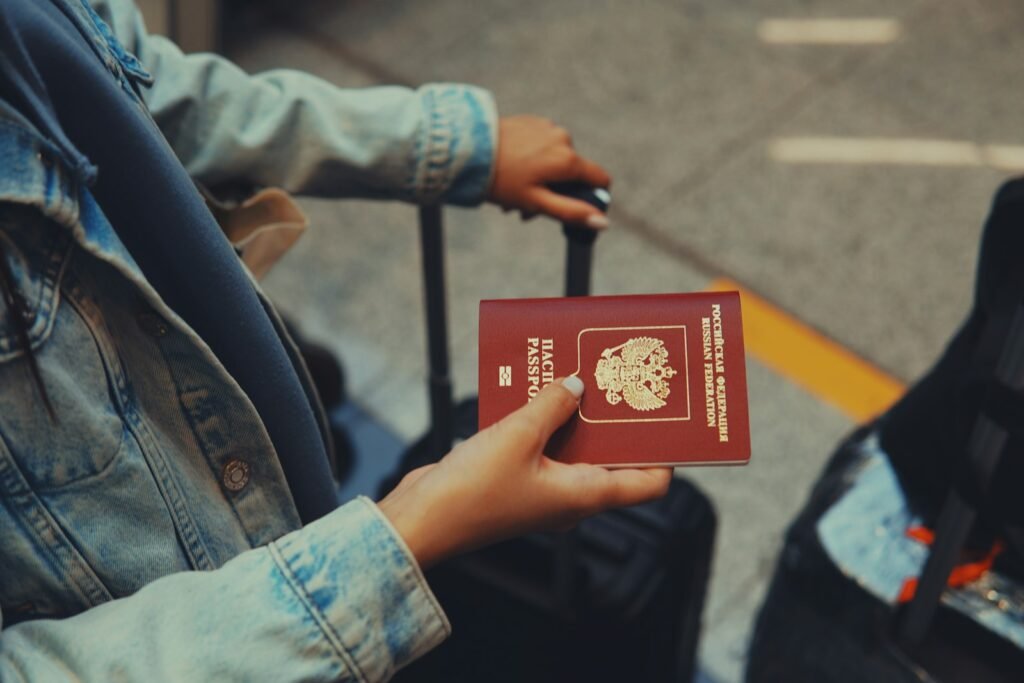
| Border crossings, visa runs | Passport Wallet | Keeps passport, cards, and boarding passes in one place at immigration |
| Constant hotel and Airbnb changes | GI Dopp Kit | Toiletries stay organized regardless of how often the base changes |
| Cafe and coworking work sessions | Tablet Sleeve | Protects a laptop or tablet inside a larger travel bag, or carried alone to a cafe |
| Local currency, daily spending money | Slim wallet | Swaps easily between currencies without carrying a bulky travel organizer |
Notice what’s missing: a large travel bag as the single main piece. For genuinely long stretches of city-to-city movement, a technical backpack still does that job better than anything in a leather lineup, and our own travel bag guide is built around weekend and short trips, not full-time carry-on nomad life.
Why the Briefcase Beats the Backpack for Slow Nomads
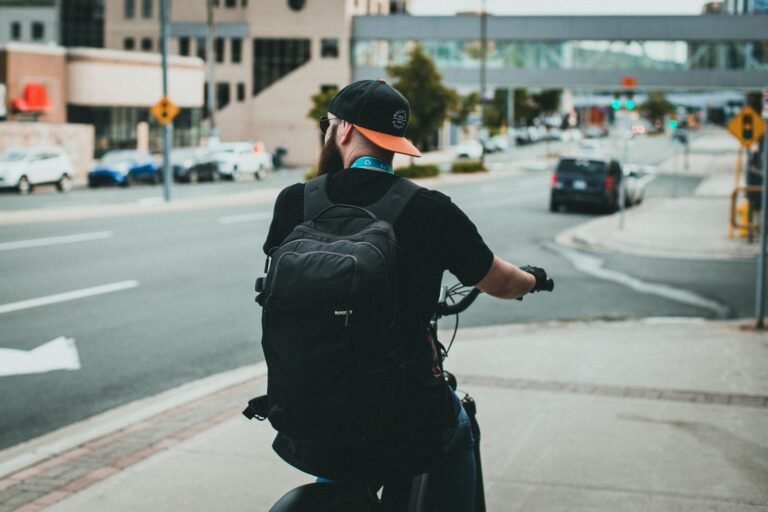
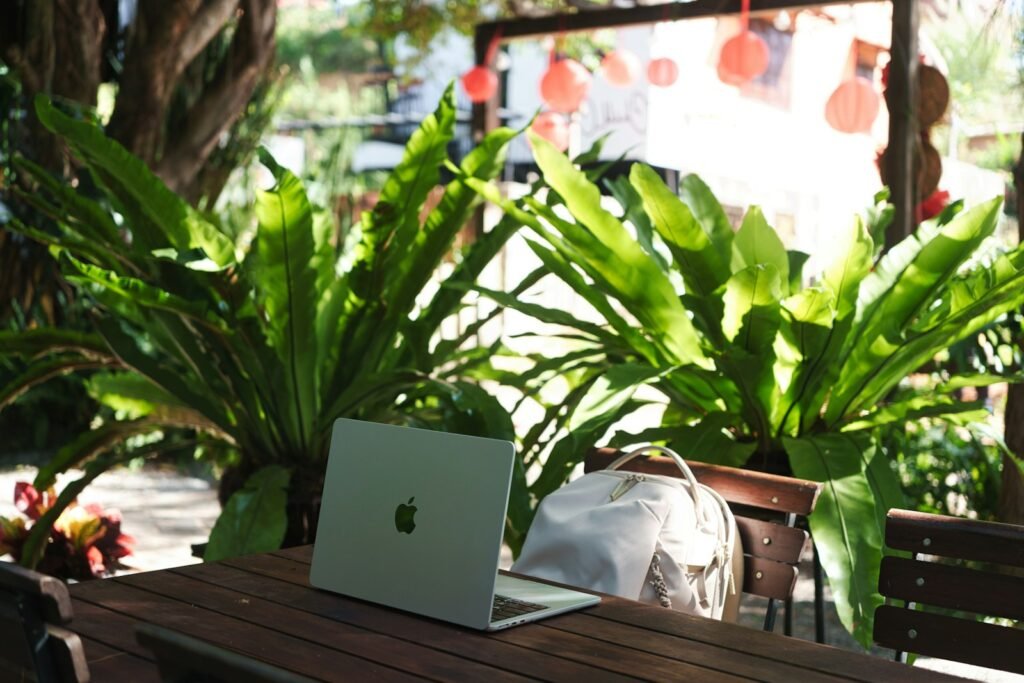
A backpack is built to be worn for hours while moving. A slow nomad working from the same coworking desk five days a week isn’t wearing their bag for hours; they’re carrying it four blocks to a desk and setting it down. That’s a briefcase’s job, not a backpack’s, and it comes with a real upside: it reads as professional in client calls and coworking common areas in a way a hiking-style pack doesn’t.
The trade-off is real too. A briefcase doesn’t distribute weight the way a backpack does, so it’s a poor choice for actual multi-mile walking days or long airport transits. Matching the bag to the actual day, not the trip as a whole, is the useful mental model here: the coworking commute gets a briefcase, the flight day gets a packable duffel or the technical pack you already own.

Why Vegetable-Tanned Leather Handles Climate Swings Better Than Expected
One legitimate worry about leather in nomad life is climate: humidity, heat, sudden rain. Vegetable-tanned leather handles ordinary humidity and heat far better than most people assume, since it’s a dense, minimally-treated material rather than a coated or laminated one. It does want an occasional wipe-down and conditioning in genuinely tropical, high-humidity climates, covered in full in our leather care guide.
What it doesn’t handle well is prolonged direct soaking, which is the actual risk on a rainy commute, not humidity itself. A packable rain cover for the bag, kept in an outer pocket, solves this more reliably than avoiding leather altogether.
Budgeting a Nomad Leather Kit
| Kit Level | Pieces | Approximate Cost |
|---|---|---|
| Minimal | Slim wallet + Passport Wallet | $130–$180 |
| Standard | Above + GI Dopp Kit | $360–$410 |
| Full kit | Above + Slim Briefcase + Tablet Sleeve | $1,120–$1,170 |
Most slow nomads don’t need the full kit on day one. Starting with the Passport Wallet and a slim wallet solves the two most common daily friction points, then adding the Dopp kit and briefcase once the travel pattern is confirmed avoids buying gear for a lifestyle that might still change.
What to Pack in the Technical Backpack Instead
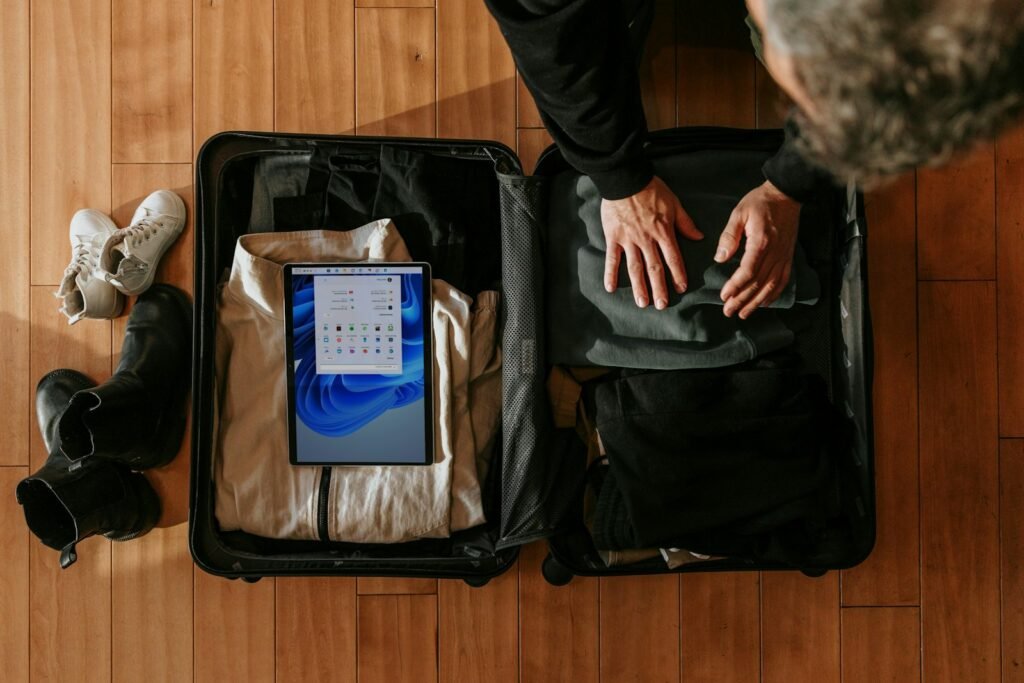
Being honest about what leather isn’t for matters here. Power banks, universal adapters, a laptop stand, and noise-cancelling headphones all belong in a technical daypack, not a leather bag, since they’re bulky, need quick access, and don’t benefit from a structured compartment the way a passport or wallet does.
The two systems work best side by side rather than as a single bag replacing the other: a leather briefcase or Tablet Sleeve for the daily coworking carry, and a separate technical pack or packable duffel for the tech accessories and the actual travel days between cities.
For the shorter trips between bases, where you’re not full-time nomading but genuinely traveling carry-on only for a week or two, our one-bag minimalist travel guide covers which of our weekenders actually qualify as one-bag, carry-on-only options.
This split also protects the leather piece itself. A briefcase that only ever makes the short walk to a coworking desk stays in far better condition over a year than one dragged through airport security lines and overhead bins on a weekly basis, which is another reason to let the technical pack absorb that wear instead.
Frequently Asked Questions
Is a leather briefcase a good replacement for a digital nomad backpack?
Only for slow nomads staying in one place for weeks at a time. Fast nomads changing cities every few days are still better served by a technical backpack.
Does humidity ruin vegetable-tanned leather?
Ordinary humidity is fine with occasional conditioning. The real risk is prolonged direct soaking in heavy rain, which a packable rain cover solves more reliably than avoiding leather entirely.
What’s the single most useful leather piece for a digital nomad?
A Passport Wallet, since it solves the most frequent friction point for anyone crossing borders regularly, keeping documents and cards in one place.
Should I bring one bag or two as a slow-travel remote worker?
Two systems tend to work better: a leather briefcase or sleeve for daily coworking carry, and a separate technical pack or duffel for tech accessories and actual travel days.
Is leather too heavy for carry-on-only nomad travel?
A slim wallet, Passport Wallet, or Tablet Sleeve add minimal weight. A full leather briefcase is heavier than a technical daypack, which is why it fits a coworking-desk routine better than constant city-to-city movement.
Can I use a leather Dopp kit if I’m changing accommodations every few weeks?
Yes, this is one of the strongest use cases. A dedicated toiletry kit keeps items organized and prevents the repacking chaos that comes with frequently changing hotels or rentals.
For a broader look at digital nomad packing lists and technical gear, see The Broke Backpacker’s digital nomad packing list.