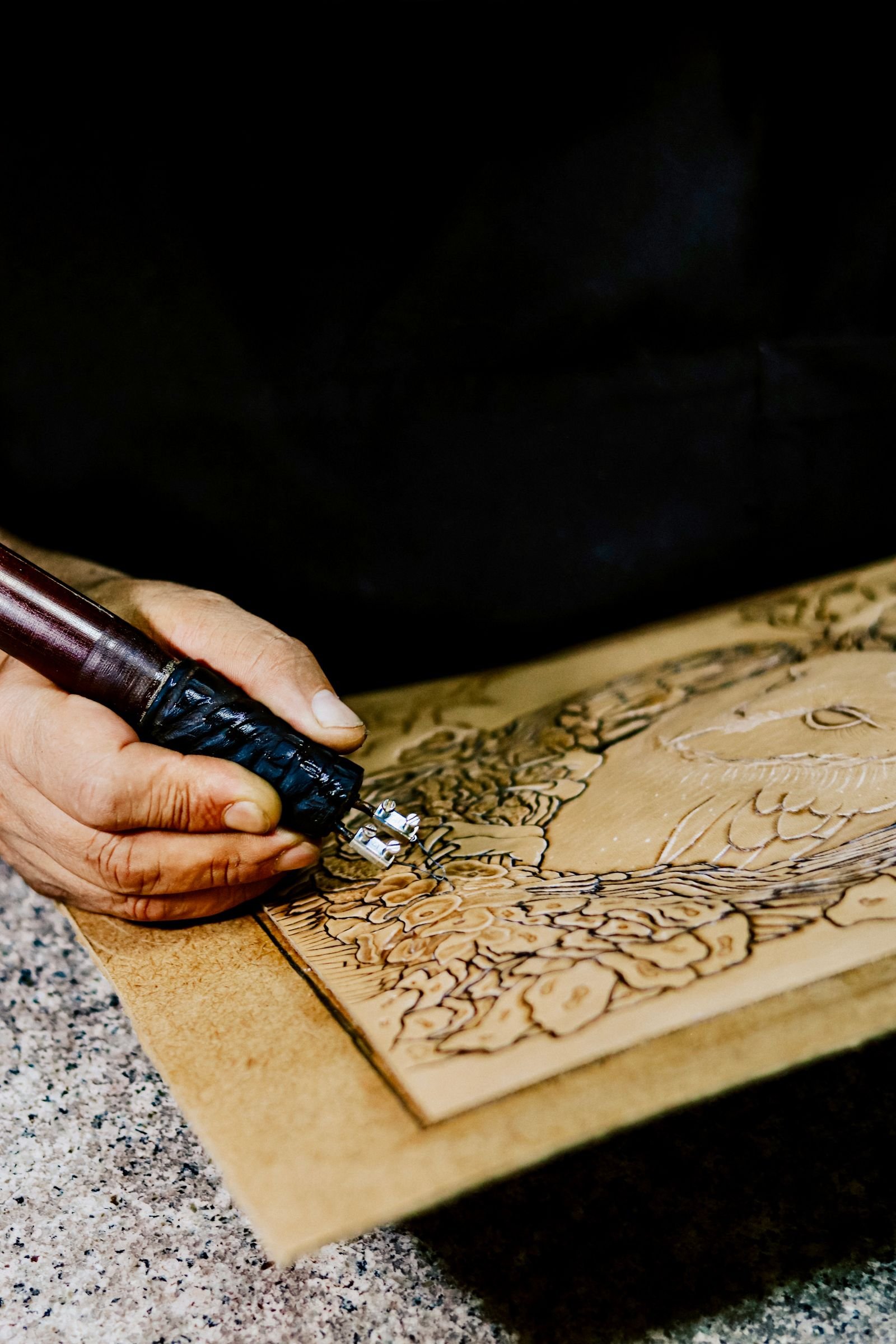
How to Personalize a Leather Gift: Monogram Order, Fonts, and Placement
A monogram is what turns a nice leather wallet into someone’s wallet. It’s the single cheapest upgrade available on almost any leather gift, and it’s also the easiest one to get wrong — a reversed initial order, a font that doesn’t suit the recipient, or a married name applied to someone who kept their own. Because personalized items typically can’t be returned once the leather has been marked, those mistakes tend to be permanent.
This guide walks through the three real personalization methods, how to get initial order and placement right, which font actually suits which recipient, and the handful of mistakes worth avoiding before you submit an order that can’t be undone.
Why Personalization Changes a Gift
An unmonogrammed leather good is a nice object. A monogrammed one is evidence that somebody thought about a specific person before buying it. That distinction matters more than the price difference usually implied by adding personalization, which is often a modest add-on fee relative to the cost of the piece itself.
It also changes how a gift is used. A wallet or card case with initials pressed into the leather reads as a keeper rather than a placeholder until something better comes along, which is part of why personalized leather goods tend to stay in daily rotation years after less personal gifts have been replaced.

The Three Ways to Personalize Leather
Not every personalization method suits every piece, and the differences aren’t just cosmetic — durability, cost, and turnaround time all vary by method.
| Method | How It Works | Durability | Best For |
|---|---|---|---|
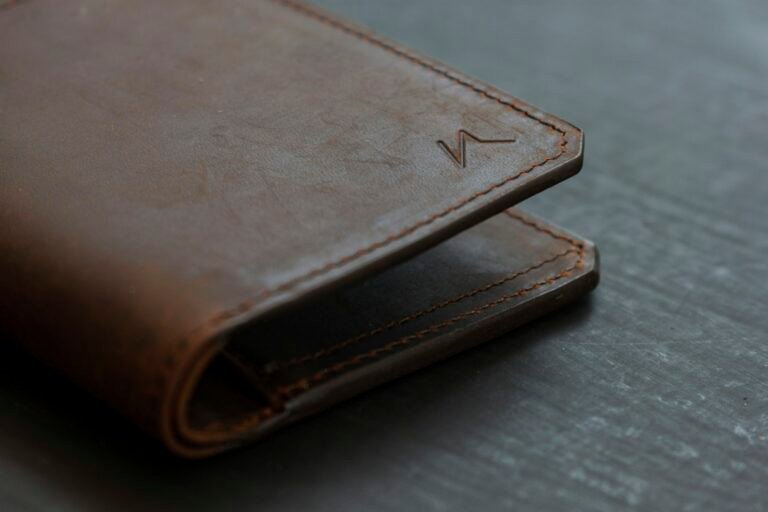
| Blind Debossing | Heat and pressure press the design inward, no color added | Excellent — part of the leather itself | Subtle initials on wallets, cases, bags |
| Foil Stamping | Heat and pressure transfer metallic foil into a debossed design | Good, but foil can show micro-cracking after heavy daily flexing | Gold or silver initials with more visual contrast |
| Laser Engraving | A laser burns away the top layer of leather to create the mark | Excellent, permanent | Detailed monograms, small logos, fine script |
Blind debossing is the most common choice for a reason: it doesn’t alter the grain surface or add any coating, so it holds up the same way the rest of the leather does, ages into the same patina, and never chips or fades. Foil stamping looks sharper on day one but is a surface-level effect rather than a structural one, so it’s better suited to items that see lighter daily handling. Laser engraving splits the difference — permanent like debossing, but capable of much finer detail than a pressed die can achieve.

Getting the Monogram Order Right
This is the single most common personalization mistake, and it’s entirely preventable by checking the format before submitting an order rather than after.
| Recipient | Correct Order | Example |
|---|---|---|
| Single person, 3 initials | First, Middle, Last — last initial often larger or centered | Fannie Lou Hamer → F.H.L |
| Single person, 2 initials | First, Last | James Carter → J.C |
| Married couple, shared surname | First, shared Last, First — last name centered | Anna and Marcus Reyes → A.R.M |
| Recipient keeping maiden or separate name | Confirm directly — do not assume a name change | Varies by individual |
The last name traditionally takes the center, larger position in a three-letter monogram, which is why it’s worth double-checking the layout preview a seller provides rather than assuming the initials will simply appear left to right in the order you typed them. Some personalization tools default to alphabetical or typed order instead of the traditional centered-surname format, and the two can produce visibly different results from the same three letters.
For a recently married recipient, don’t assume a name change has happened, or that the format applies as it would to an established couple. Confirm current legal name and preference directly, especially for a gift given close to the wedding itself, since assuming a change that hasn’t happened yet is a more common error than most people expect.

Choosing a Monogram Font
Font choice communicates as much as the initials themselves, and the wrong style can make an otherwise well-chosen gift feel slightly off for the recipient.
| Style | Feel | Works Well On |
|---|---|---|
| Serif (Schoolbook, Bodoni) | Formal, traditional, classic | Wallets, briefcases, gifts for older recipients |
| Script | Elegant, flowing, personal | Wedding gifts, gifts with sentimental framing |
| Sans-Serif / Block | Modern, minimal, clean | Tech sleeves, younger recipients, understated pieces |
Size matters as much as style. A monogram sized for a large tote will look sparse and lost on a small card case, and one sized for a card case will overwhelm a briefcase panel. Most sellers scale the font automatically to the item, but it’s worth confirming rather than assuming, particularly for a piece with a smaller personalization panel like a passport wallet or card holder.

Where to Place the Initials
Exterior, corner placement is the more common and more visible choice, and it reads as confident rather than showy on most leather goods. Interior placement, on a lining panel or an inside pocket, is the more modest option and suits a recipient who prefers understated details or a gift they’d rather not advertise, like a wallet carried in a back pocket rather than displayed.
There isn’t a wrong answer here as long as it matches how the recipient actually presents themselves day to day. Someone who wears mostly quiet, unbranded clothing is a better fit for interior placement; someone who already gravitates toward visible monograms on shirts or luggage will likely welcome the exterior version.

What to Personalize
Smaller, single-recipient pieces suit personalization better than large bags, simply because the panel available for initials is proportionate to the item. A Passport Wallet, Pocket Billfold, or a card case all have a natural, well-sized spot for a monogram that won’t compete with the rest of the design.
This individual, one-recipient approach to personalization is a different problem from personalizing at volume. Our corporate bulk ordering guide covers logo debossing across dozens or hundreds of pieces for a company gift program, which involves entirely different considerations around consistent placement, proofing, and lead time. If you’re buying one gift for one person, the process here is simpler and faster than that guide’s bulk timeline.
A monogrammed tote or wallet is also one of the highest-impact upgrades available on a Mother’s Day gift specifically — our Mother’s Day gift guide covers which pieces suit which kind of mom before you commit to a monogram.
Ordering the same monogram format across multiple pieces at once, a full bridesmaid party, for instance, raises the stakes on getting the order right the first time. Our bridesmaid gift guide covers budgeting and coordinating a matching gift set where this kind of bulk personalization comes up often.
A house-specific detail, like a move-in date, is also worth considering for a housewarming gift specifically. Our housewarming gift guide covers why that detail can tie a practical piece to the occasion more effectively than initials alone.
Personalizing a gift for a couple raises its own separate question worth getting right — whether to use combined initials, a shared monogram, or each partner’s own. Our engagement gift guide covers that decision, including why assuming a shared last name too early is a more common mistake than it sounds.

Before You Order: Mistakes to Avoid
Personalized leather goods are typically final sale once the leather has been marked, so it’s worth slowing down at checkout rather than after. Double-check spelling against a reliable source rather than memory, especially for less common names. Confirm the initial order matches the traditional format rather than assuming the tool defaulted correctly. And verify legal name and preference directly for any recipient going through a name change, rather than guessing based on the occasion.
If a mistake does happen after ordering, contact the seller immediately, before production starts. Most personalization workshops can still make a correction in the first day or two after an order is placed, but that window closes fast once the piece has actually been marked.
Frequently Asked Questions
What’s the correct order for a three-letter monogram?
First initial, then the last name initial (often larger or centered), then the middle initial — traditionally First, Last, Middle with the last name given visual emphasis, though a simpler First, Middle, Last format in equal size is also common.
Can personalized leather items be returned?
Almost never, once the leather has been marked. Double-check spelling and initial order carefully before submitting the order, and contact the seller immediately if you spot an error before production begins.
What’s the most durable way to personalize leather?
Blind debossing and laser engraving are both permanent and part of the leather itself. Foil stamping looks sharp initially but can show micro-cracking on pieces that see heavy daily handling.
Should I use a married couple’s monogram before the wedding?
No. Confirm the recipient’s current legal name and preference directly rather than assuming a name change has already happened, particularly for a gift given close to the wedding date.
What font should I choose for a monogram?
Serif fonts suit formal, traditional pieces and older recipients; script suits sentimental or wedding-related gifts; sans-serif or block fonts suit a modern, minimal recipient.
Is personalization worth it on a smaller item like a card case?
Yes — smaller items often take a monogram better than large bags, since the personalization panel is proportionate to the piece and won’t compete with the rest of the design.
For more on monogram etiquette and format conventions, see Leatherology’s monogram etiquette guide.