
Leather EDC Accessories Guide: Tablet Sleeve & Glasses Case
Everyday carry, or “EDC,” is a simple idea that gets overcomplicated fast: the handful of items you touch every single day deserve more thought than the ones you use once a month. A wallet gets more real-world attention than a suitcase ever will — and the same logic applies to a tablet sleeve or a sunglasses case.
This guide covers two of the smaller, easy-to-overlook pieces in our line — the Tablet Sleeve and the James Case — and the actual decisions worth making before you buy either one.
Neither product is glamorous. Both get opened and closed multiple times a day, which is exactly why the details that don’t show up in a product photo — lining, hardware, how the closure actually holds up — matter more here than almost anywhere else in the line.

Tablet Sleeve vs. Tablet Case: What’s the Real Difference?
| Slim Sleeve | Padded Case | |
|---|---|---|
| Protection | Light scratch and dust protection | Cushions drops and bumps |
| Bulk | Minimal, slips into a bag easily | Adds noticeable thickness |
| Closure | Usually open or a simple flap | Zippered or clasped |
| Best for | Indoor, careful use | Travel, bags with loose items |
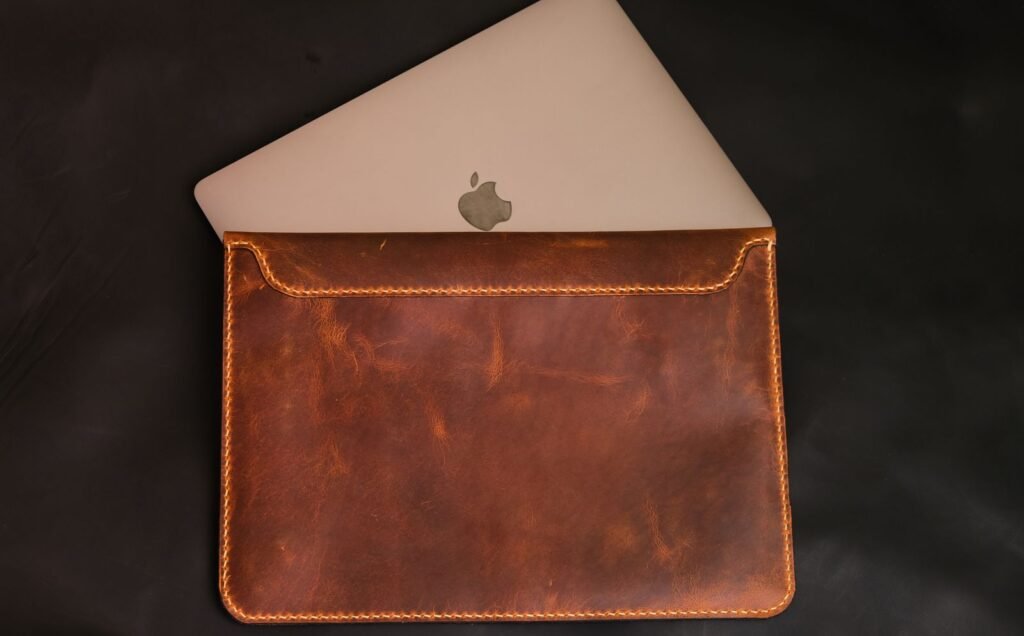
Our own Tablet Sleeve sits deliberately between these two categories. It’s built with a solid brass wrap-around zipper and a full interior lining rather than the open-top slip pocket “sleeve” usually implies — closer to a padded case that happens to carry the sleeve name.
Do You Actually Need a Padded Sleeve?
It depends entirely on how the tablet travels. If it goes straight from a desk to a dedicated laptop-bag pocket, a slim sleeve is often enough. If it gets tossed into a tote or backpack alongside keys, a charger, and loose items, a padded, zippered case earns its keep — that’s precisely the scenario ours was designed to solve.
It’s worth being honest that a padded case is a second layer, not a replacement for a tablet’s own case or screen protector. The two solve different problems: one protects against everyday drops and scuffs at the device level, the other protects against everything else sharing space with it in a bag.

Our Tablet Sleeve, By the Numbers
| Spec | Detail |
|---|---|
| Dimensions | 10.1″ H × 8.4″ W |
| Leather | Custom vegetable-tanned Horween® |
| Interior | Medical-grade navy nylon lining, wool pocket for earbuds |
| Closure | Solid brass wrap-around zipper |
| Price | $175 |
The design nods to a mid-century teller’s bag — it was built to protect a tablet the way a bank protects a deposit, which is a fairly literal explanation for why it’s also sold under the name “Money Bag.”
Is a Leather Sunglasses Case Worth It?
Yes, with one important caveat: the interior lining matters as much as the exterior leather. A rigid leather case with no soft lining can scratch lenses just as easily as no case at all — several long-time leather workers report exactly that complaint about poorly built cases.
The other real benefit rarely gets mentioned: a dedicated case is also a dedicated place. Sunglasses that live in one spot get lost and sat on far less often than ones that migrate between a bag, a car console, and a jacket pocket. That habit alone often justifies the price before the leather or lining even factor in.

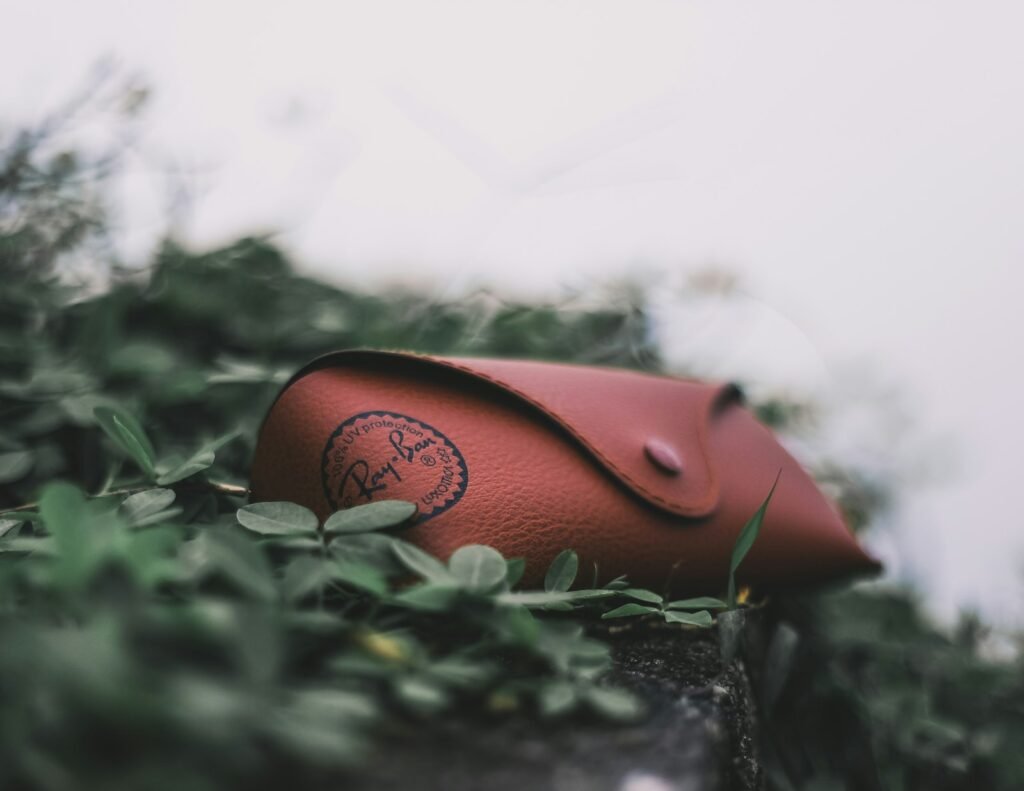
Our James Case addresses this directly with a protective suiting interior lining, not bare leather-on-lens contact, plus a magnetized enclosure so the case doesn’t need a zipper or snap to stay closed around larger eyewear.
Our James Case, By the Numbers
| Spec | Detail |
|---|---|
| Dimensions | 7″ L × 2.25″ W × 3″ H |
| Leather | Custom vegetable-tanned Horween®, Espresso or Hickory |
| Interior | Protective suiting lining |
| Closure | Magnetized leather enclosure |
| Price | $99 |
It’s sized specifically for larger eyewear and sunglasses frames rather than a compact case built for small reading glasses, so check your frame size against the 7″ length before assuming it fits.
Why These Two Products Share the Same Design Approach
Both the Tablet Sleeve and the James Case make the same basic bet: that a small accessory earns its price through what’s hidden on the inside, not what shows on a shelf. A wrap-around brass zipper and a nylon-and-wool interior cost more to build than an open-top pocket; a magnetized closure and a lined interior cost more than raw leather folded around a frame.
That’s a deliberate trade-off, and it’s worth naming honestly: you’re paying for durability and protection you won’t fully appreciate until year three or four, not for a feature that photographs well on day one.
Beyond eyewear, the James Case also works well as a dedicated cable and small-accessory pouch inside a larger bag — our daily carry organization guide covers that use case alongside a broader system for keeping a work bag from turning into a junk drawer.
Building a Minimalist EDC Kit
- Wallet: covered in our wallet buying guide — a zip wallet or slim billfold, depending on how much you carry.
- Travel toiletries: our Dopp kit guide covers sizing one correctly.
- Tablet or device protection: the Tablet Sleeve, if your tablet travels loose in a bag.
- Eyewear protection: the James Case, if you’re prone to tossing sunglasses in loose.
None of these are meant to be bought all at once. A minimalist kit built up piece by piece, replacing whatever’s actually failing or missing, tends to fit someone’s real habits far better than a matched set bought in a single order and left unused.

Caring for Small Leather Accessories
Small pieces like these get handled constantly, which accelerates the same patina process covered in our Horween leather guide. Wipe them down periodically, keep conditioning light and infrequent, and store them away from direct sun when not in daily use.
One habit specific to zippered and magnetized closures: check that they still open and close smoothly every few weeks. Small pieces that live in a bag pocket pick up more incidental grit than a briefcase ever does, and hardware is easier to keep clean than to repair once it’s failing.
Frequently Asked Questions
What does EDC mean?
EDC stands for “everyday carry” — the small set of items, like a wallet, keys, and a phone or tablet accessory, that someone carries on their person or in a bag every day.
Is a tablet sleeve the same as a tablet case?
Not exactly. A sleeve is typically a slim, open-top slip pocket, while a case usually has a closure and more structure. Some products, including ours, sit in between with a zippered closure and full lining.
Can a leather sunglasses case scratch my lenses?
It can, if the interior lacks a soft lining and bare leather rubs directly against the lens. Look for a case with proper interior lining, like a suiting fabric or microfiber, rather than an unlined leather interior.
Do I need both a tablet sleeve and a tablet case?
Not necessarily. Many people use a slim case for daily indoor use and add a padded sleeve only when the tablet goes into a bag with other loose items for travel.
What size sunglasses fit the James Case?
At 7″ long, it’s sized for larger eyewear and sunglasses frames rather than compact reading glasses, so it’s worth checking your frame length against that dimension first.
What’s the difference between the Tablet Sleeve and the Money Bag?
Nothing, they’re the same product. It’s built around a mid-century teller’s bag design, which is why it’s sold under both names depending on how it’s being described.
For a broader look at what belongs in a considered everyday carry kit, see Everyday Carry’s community guides.