How Much Should a Leather Bag Cost? A Real Pricing Breakdown
Leather bags run from $30 to $30,000, and the price tag alone tells you almost nothing about which one you’re looking at. A $300 bag can outlast a $900 one; a $1,500 bag can be mostly paying for a logo.
This guide breaks down what actually drives leather goods pricing, so a number on a tag becomes something you can evaluate instead of just react to. That includes our own pricing, laid out plainly rather than left for you to guess at.
None of this requires becoming a leather expert. It just requires knowing which few details actually correlate with durability, and which ones are mostly telling you about a brand’s marketing budget instead.
Leather Bag Price Tiers, Explained
These bands aren’t rigid, and a specific piece can outperform or underperform its price tier. But they’re a useful default expectation before you dig into the specifics of any one bag.
| Price Range | What You’re Typically Getting |
|---|---|
| Under $150 | Bonded leather or corrected-grain with a printed finish; expect cracking within a few years |
| $150–$400 | Honest top-grain or entry full-grain; clean construction, real hide |
| $400–$800 | Full-grain leather, hand-finished edges, considered hardware and lining |
| $800+ | The material and construction curve flattens; additional cost increasingly buys brand, retail overhead, or exotic materials |
What Actually Drives the Price
Underneath the sticker price, three components make up nearly all of a bag’s actual production cost.
| Cost Component | Typical Share of Production Cost | What It Buys |
|---|---|---|
| Materials | 45%–65% | Hide grade, tanning method, lining fabric |
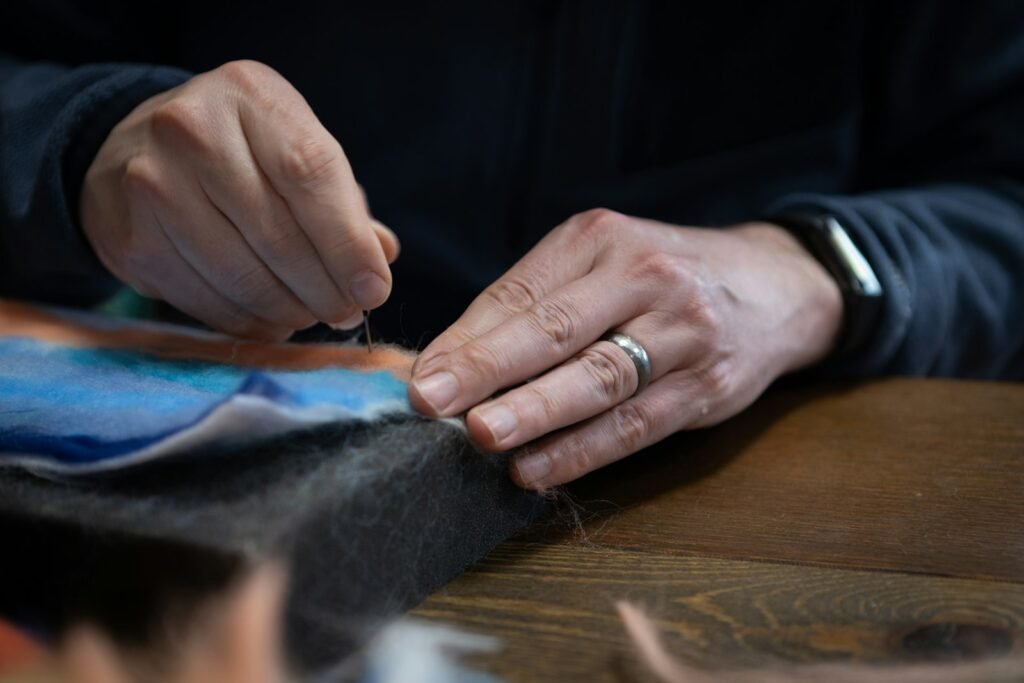
| Labor | 25%–40% | Hand-cutting, stitching, finishing time |
| Hardware | Small but variable | Solid brass or steel vs. plated pot-metal |
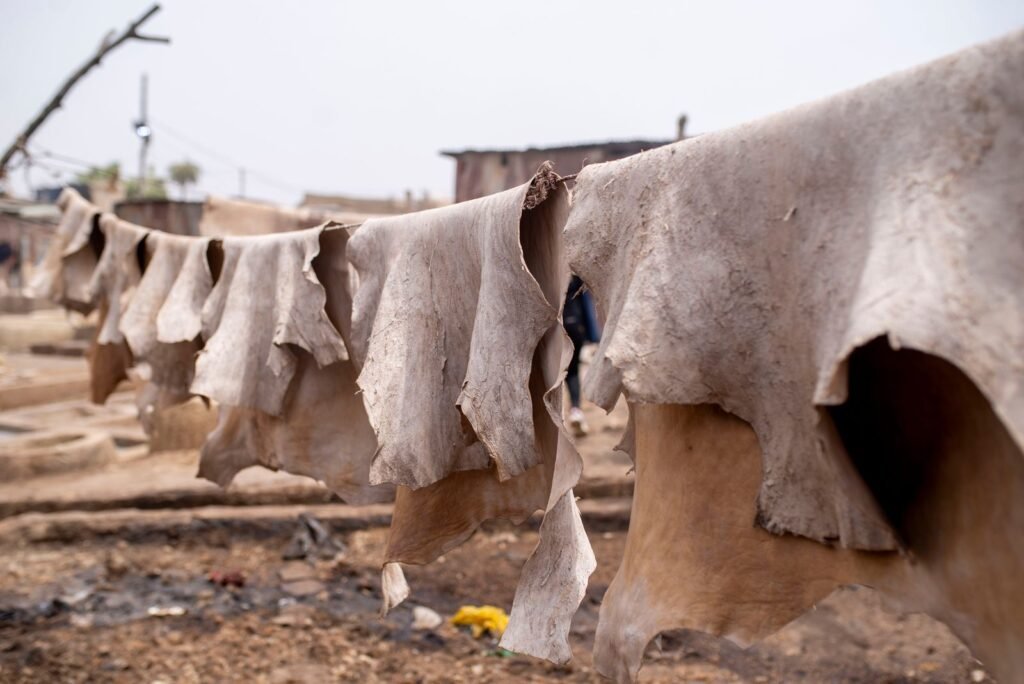
Vegetable-tanned, full-grain hide costs meaningfully more than corrected-grain or bonded leather before a single stitch happens, which is why material choice alone can separate a $100 bag from a $500 one. Our own Horween leather guide covers exactly what that tanning difference buys you.
Labor scales with complexity, not just size. A slim card case with a single seam takes far less skilled time than a structured briefcase with a wool-lined interior, multiple compartments, and hand-finished edges — which is a large part of why bag prices vary so much more than raw material cost alone would predict.
Hardware is the smallest line item in dollar terms, but it’s disproportionately visible in how a piece ages. A zinc-plated zipper pull that corrodes within a year telegraphs a corner-cutting decision made somewhere upstream, well before you notice anything wrong with the leather itself.
The Uncomfortable Truth About Luxury Markup
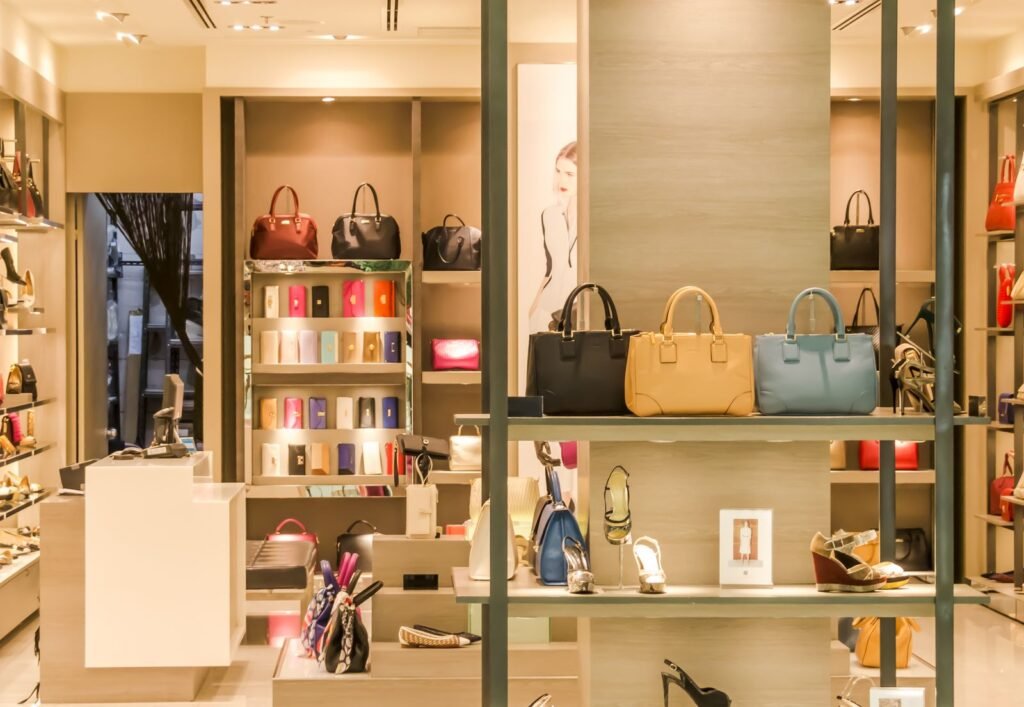
Past a certain point, more money increasingly buys something other than materials or labor. Industry estimates put total production and selling costs at roughly 35% of a luxury handbag’s final retail price — meaning the majority of what you pay at the top end covers brand value, retail overhead, and scarcity positioning rather than the bag in your hands.

That’s not necessarily a scam — brand, design, and exclusivity are real things people pay for on purpose. But it’s worth knowing which part of the price you’re buying, especially once you’re past the $800–$1,000 range where material and construction quality mostly stop improving with price.
Resale value complicates this further. A handful of iconic designer bags genuinely hold or gain value on the secondary market, which some buyers treat as partial justification for the premium. That dynamic applies to a small number of specific, in-demand models — it isn’t a general property of expensive bags, and it’s a poor reason to buy any specific piece on its own.
Our Own Pricing, Broken Down
| Category | Price Range | What’s Included |
|---|---|---|
| Wallets & small goods | $69–$129 | Vegetable-tanned Horween leather, brass hardware where applicable |
| Dopp kits & EDC cases | $99–$230 | Full lining, brass zippers or magnetized closures |
| Briefcases & totes | $495–$695 | Wool-lined interiors, solid brass hardware, hand-finished edges |
| Weekender & travel bags | $680–$1,560 | Heavier structural hide, Holland & Sherry wool lining, full hardware |
Is It Worth Spending More? A Cost-Per-Wear Framework
Price alone is the wrong number to compare. Price divided by realistic years of use tells a very different story.
| Lower-Cost Option | Durable Full-Grain Option | |
|---|---|---|
| Purchase price | $150 | $600 |
| Realistic lifespan | 2–3 years | 10+ years |
| Cost per year | ~$60–$75/year | ~$60/year or less |
These numbers are illustrative, not a promise about any specific product’s lifespan. But the pattern holds broadly: past a certain quality threshold, the more expensive piece is often the cheaper one once you account for how long it actually lasts.
The framework breaks down at the extremes, though. A $150 bag that’s genuinely well made can still beat a $3,000 bag on cost-per-year if the expensive piece is mostly paying for a logo rather than construction. The math only works once you’ve already confirmed the materials and hardware justify the price in the first place.

How to Tell If a Higher Price Is Actually Justified
- Check the leather type, not just the word “leather” — full-grain vegetable-tanned holds up longest; corrected-grain and bonded leather don’t.
- Check the hardware — solid brass or steel outlasts plated pot-metal by years, not months.
- Check the stitching and lining — hand-finished edges and a proper interior lining are labor-intensive details that show up in price for real reasons.
- Ask what the brand actually discloses about origin and materials — vague language is often a sign the premium is mostly brand, not construction.
- Compare against the tier table above, not against other prices in the same store — a $900 bag sitting next to $3,000 bags can still just be a $150 bag with a markup.
None of these checks require special expertise. They’re the same handful of details covered throughout the rest of this site’s buying guides — leather grade, hardware, lining, and origin — applied specifically to the question of whether a price is buying you something real.
Frequently Asked Questions
How much should I spend on a good leather bag?
For genuine full-grain leather with solid construction, $400–$800 is typically the range where you get real durability without paying primarily for brand markup.
Why do some leather bags cost 10 times more than others?
Materials and labor explain part of the gap, but past roughly $800–$1,000, price increasingly reflects brand value, retail overhead, and scarcity positioning rather than construction quality.
Is a $150 leather bag ever a good deal?
Yes, if it’s genuine top-grain or full-grain leather with clean construction. Under about $40–$50, most “leather” bags are corrected-grain or bonded leather that won’t hold up long-term.
What’s the single biggest factor in leather bag pricing?
Materials typically account for the largest share of production cost, 45% to 65%, with the tanning method and hide grade making the biggest difference within that.
Does a higher price always mean better quality?
No. Quality tends to track price up to a point, but beyond roughly $800–$1,000, additional cost is more often about brand and exclusivity than materials or construction.
Does resale value justify paying more for a designer bag?
Only for a small number of specific, consistently in-demand models. Most leather bags, regardless of brand, don’t hold resale value well enough to factor meaningfully into the purchase decision.
For more on how luxury handbag pricing actually breaks down, see PurseBlog’s reporting on designer handbag costs.