Horween Leather Stain Removal Guide: Ink, Oil, Wine & Water
Most stain-removal advice written for leather in general is actively wrong for vegetable-tanned leather specifically. Chrome-tanned, coated, and pigmented leathers tolerate water, soap, and mild solvents far better than an unfinished vegetable-tanned hide does, and a method that’s safe on one can permanently discolor the other.
This guide covers the stains that actually show up on vegetable-tanned Horween leather — ink, oil, red wine, water spots — and the specific method for each, plus what to avoid entirely.
Vegetable-tanned leather behaves differently because of how it’s finished. Our Horween leather guide covers the tanning process in full, but the short version here is that this leather has an open, breathable surface rather than a sealed, pigmented one. That’s exactly what allows it to develop a rich patina over time — it’s also what makes it more absorbent to spills in the first place, which is the trade-off this guide is really about managing.
The One Rule That Applies to Every Stain
Blot, never rub, and act as soon as you notice it. Rubbing spreads the stain and pushes it deeper into the leather’s pores, turning a surface mark into one that’s worked into the material itself. A dry or barely damp cloth pressed straight down, lifted, and repeated does far more good than any amount of vigorous wiping.
Stain-by-Stain Removal Guide
| Stain Type | Method | Risk Level |
|---|---|---|
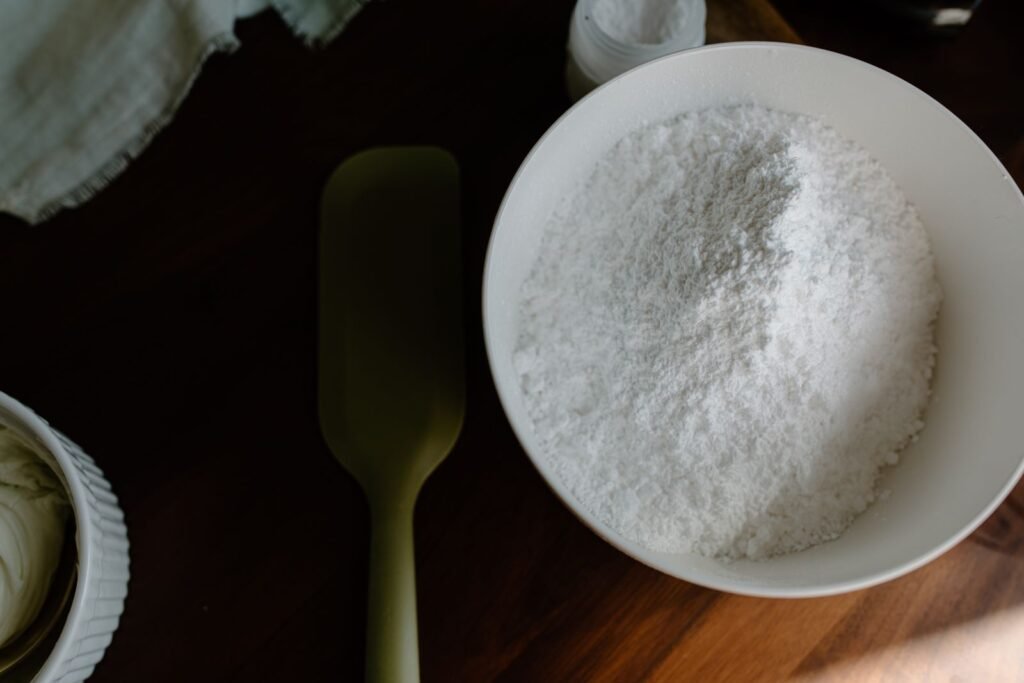
| Oil or grease | Cover with cornstarch or talcum powder, leave several hours to absorb, brush off | Low, if caught before it sets |
| Ink | Cotton swab with a small amount of isopropyl alcohol, blot gently, spot-test first | Medium — can lighten leather if overused |
| Red wine or food | Blot immediately with a dry cloth, follow with a leather-safe cleaner made for vegetable-tanned hides | Medium, worse if allowed to dry first |
| Water spots | Even out with a slightly damp cloth across the whole surface, dry at room temperature | Low, usually fades with continued use |
| Salt stains (winter) | Wipe with a cloth dampened in a mild water-and-vinegar solution, dry evenly | Medium — uneven wiping can leave a visible ring |

Salt stains are really a winter-specific case of a broader pattern — leather behaves differently depending on the season it’s actually being used in. Our seasonal leather care guide covers what changes between a dry winter and a humid summer beyond just staining, including conditioning frequency and storage.
Salt exposure is especially frequent for anyone commuting by bike through winter, since road spray puts leather in far more direct contact with slush and de-icing salt than a typical walking commute does. Our guide to leather bags for bike commuters covers that specific case in more depth.
Oil and Grease: The Most Forgiving Stain
Oil is the one stain type where time works in your favor rather than against you. Cornstarch or plain talcum powder, left to sit for several hours or overnight, draws the oil up out of the leather’s surface without introducing any moisture or solvent. Brush the powder away once it’s absorbed everything it’s going to, and repeat if any residue remains.
Resist the urge to speed this up with heat or added pressure. A hairdryer or direct sun can set the remaining oil rather than help it lift, and pressing the powder into the leather defeats the point of letting it draw the stain out passively.
Ink: The One Where Testing First Actually Matters
Isopropyl alcohol lifts ink effectively, but it’s also capable of lightening the surrounding leather if it’s overused or left on too long. Always test on a hidden interior seam or the underside of a strap first, since Horween’s color batches can react slightly differently to solvent.
Apply the alcohol to a cotton swab, not directly to the leather, and blot rather than rub across the stain. Let it dry fully before deciding whether a second pass is needed — the color often looks lighter wet than it ends up once fully dry.

Water Spots: Usually Not Worth Panicking Over
A single water spot on vegetable-tanned leather often fades on its own with continued handling, since the oils from regular use tend to even it back out. If you want to speed that along, dampen the entire surface evenly with a cloth rather than treating just the spot — an isolated wet patch dries at a different rate than the surrounding leather and can actually create a new ring instead of removing the old one.

What Not to Do
- Dish soap or all-purpose cleaner. Both strip the leather’s natural oils and can leave a visible dry patch that’s harder to fix than the original stain.
- Baby wipes or makeup remover wipes. Most contain alcohol and fragrance oils not formulated for leather, and can discolor vegetable-tanned hides unpredictably.
- Magic erasers or abrasive sponges. These are mild sanding tools, not cleaners — they remove a thin layer of the leather’s surface finish along with the stain.
- Direct heat to speed drying. A hairdryer or radiator can set a stain permanently and cause the leather to stiffen or crack at the treated spot.
When to Stop and Call a Professional
A stain that’s deeply set, covers a large area, or sits alongside cracking or color loss is past the point where home methods reliably help. At that stage, a professional leather cleaner familiar with vegetable-tanned hides is a safer bet than continued at-home attempts, which risk making the damage worse before a professional ever sees it.
This is also the point where it’s worth distinguishing a stain problem from a structural one. If the leather itself has cracked, split, or a seam has failed alongside the discoloration, that’s a repair question rather than a cleaning one, and treating the stain alone won’t address the underlying issue.
Bags carrying baby gear day to day see a different, more frequent stain risk than most everyday carry — formula, baby food, and diaper cream all behave differently once they’ve set in. Our guide to using a leather tote as a diaper bag alternative covers how a pouch system prevents most of that risk before it ever reaches the leather.
Suede deserves a separate mention here, since it reacts to stains completely differently than smooth vegetable-tanned leather does — the same cornstarch and alcohol methods above can actually make a suede stain worse rather than better. Our dedicated suede care guide covers the right approach if that’s the material you’re dealing with.
Preventing Stains in the First Place
Regular conditioning, every few months under normal use, keeps the leather’s surface slightly more resistant to absorbing spills in the first place, since a well-conditioned hide sheds liquid more readily than a dry one. Our full leather care kit guide covers which products are actually worth keeping on hand versus which ones oversell what they do.
Where you carry the piece matters too. A bag that regularly sits near food, drinks, or outdoor seating is simply exposed to more risk than one that mostly stays on a desk, so a bit of situational awareness prevents more stains than any product ever will.
Frequently Asked Questions
Can I use water to clean vegetable-tanned leather?
Sparingly and evenly, never soaked. A slightly damp cloth across the whole surface is safer than spot-treating with water, which can leave uneven rings.
Does rubbing alcohol damage Horween leather?
It can lighten the surface if overused, which is why testing on a hidden area first matters before treating a visible ink stain.
How do I get an old, set-in stain out of leather?
Older, set stains are harder to fully remove at home. A professional leather cleaner is the safer option once a stain has been present for an extended period.
Is it safe to use a hairdryer to dry a wet leather bag?
No. Direct heat can set stains permanently and cause the leather to stiffen or crack. Air dry at room temperature instead.
Will a stain ever fully blend into the leather’s patina?
Light water spots and minor marks often do over time with continued handling. Oil, ink, and wine stains are less likely to fully blend and are worth treating promptly instead of waiting.
What household item is safest for oil stains on leather?
Cornstarch or plain talcum powder, left to absorb the oil over several hours, is the safest and most effective home method for oil-based stains.
For more detail on cleaning methods across different leather types, see Saddleback Leather’s leather cleaning guide.