Is Vegetable-Tanned Leather Sustainable? An Honest Look at the Data
“Sustainable” gets attached to leather more often than the evidence actually supports. The honest answer is more complicated than either a marketing claim or a blanket dismissal: leather’s environmental picture depends heavily on which specific impact you’re measuring, and some of the most-repeated claims about it, on both sides, don’t fully hold up.
This guide covers what the actual data says about vegetable-tanned leather’s carbon footprint, water use, and biodegradability, compared honestly against synthetic alternatives, rather than picking whichever numbers make the material look better.
None of this is a simple pass-or-fail verdict, and treating it as one misses the actual decision in front of most buyers. The more useful question isn’t “is leather sustainable,” full stop, but which specific trade-offs you’re willing to accept, and which alternative actually performs better once you account for how long each material realistically stays in use.
The Carbon Footprint Reality
This is the part that doesn’t favor leather, and it’s worth stating plainly. Cattle farming is a genuinely carbon-intensive process, and that shows up directly in leather’s numbers: estimates put leather’s carbon footprint at roughly 110kg of CO2e per square meter, compared to around 15.8kg for synthetic PU leather, with the majority of that impact coming from upstream farming and slaughter rather than the tanning process itself.
| Factor | Leather | Synthetic (PU/PVC) |
|---|---|---|
| Carbon footprint (per m²) | ~110kg CO2e | ~15.8kg CO2e |
| Water use | Roughly 14x higher than synthetic | Lower, but petroleum-based |
| Typical lifespan | 10–50 years with care | 6–18 months to a few years |
| End-of-life | Disputed — tanning resists biodegradation | Does not biodegrade; persists for centuries |
Any honest comparison has to start here: on a pure per-square-meter carbon basis, leather is not the lower-impact material. Claims that flatly state leather is “more sustainable than plastic” without acknowledging this number are skipping the least convenient part of the data.
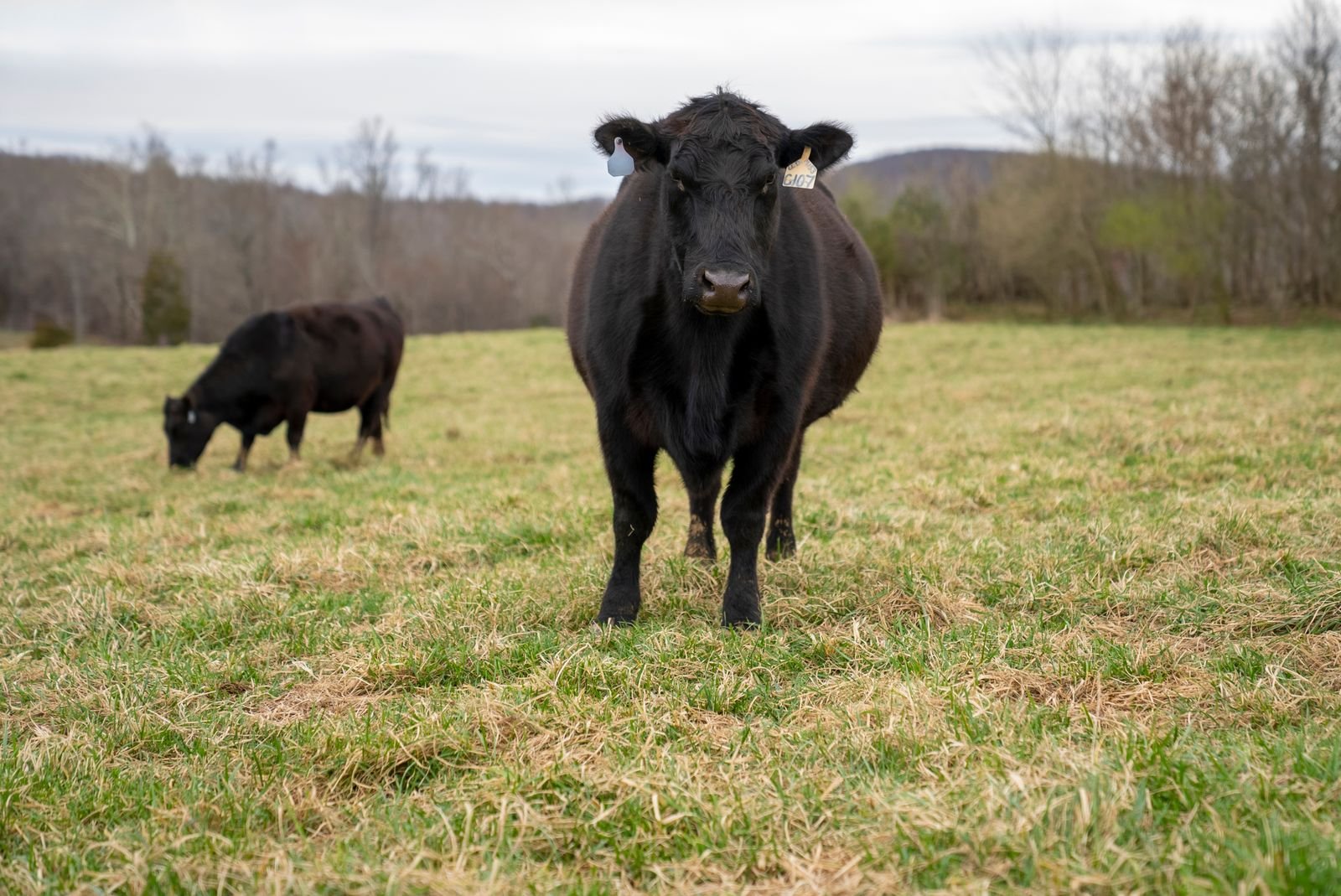
It’s also worth noting that leather is, in a specific sense, a co-product of the meat industry rather than a primary driver of it. That fact gets used on both sides of this debate: some argue it means leather’s footprint shouldn’t be counted at full weight since the cattle would be raised regardless; others argue that treating leather as a “free” byproduct understates the economic incentive it still provides to an already carbon-intensive industry. Neither framing fully settles the question, which is part of why this debate stays genuinely contested among researchers.
Why Vegetable-Tanning Specifically Matters
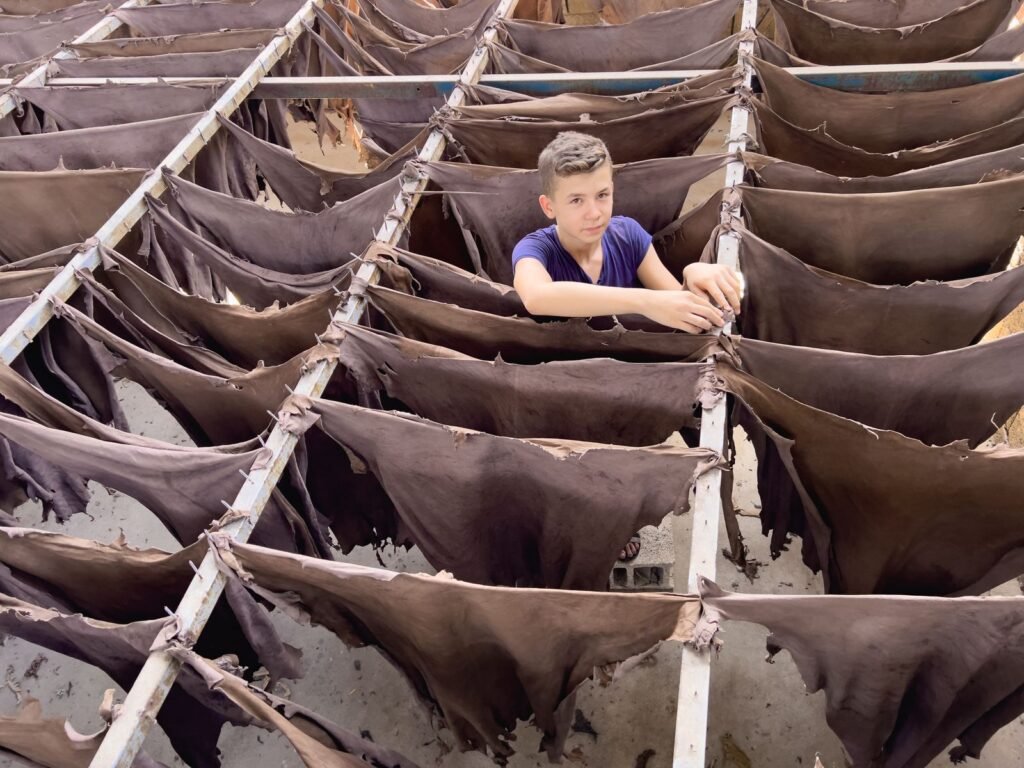
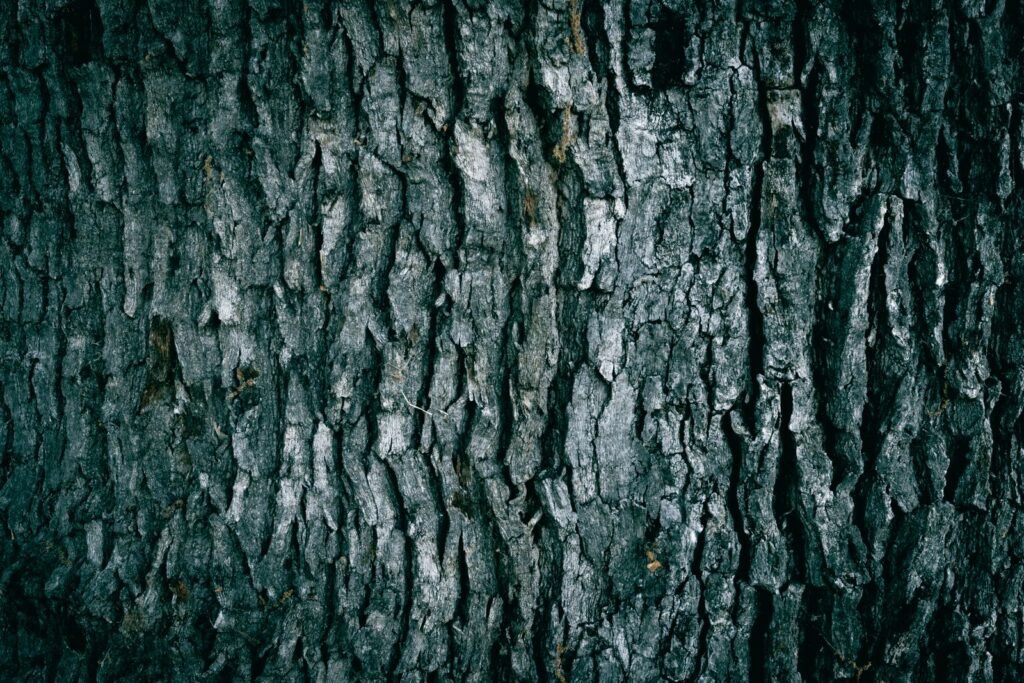
Where vegetable-tanned leather does have a real, defensible advantage is in the tanning process itself, not the farming footprint. Vegetable tanning uses natural tannins from tree bark rather than chromium salts, avoiding the heavy-metal wastewater associated with conventional chrome tanning.
Our vegetable-tanned Horween leather guide covers this tanning process in more depth. This is a genuine, well-documented difference between tanning methods — it’s just a separate question from the animal-agriculture carbon footprint discussed above, and conflating the two overstates how “green” vegetable tanning makes the finished product overall.
Does Leather Actually Biodegrade?
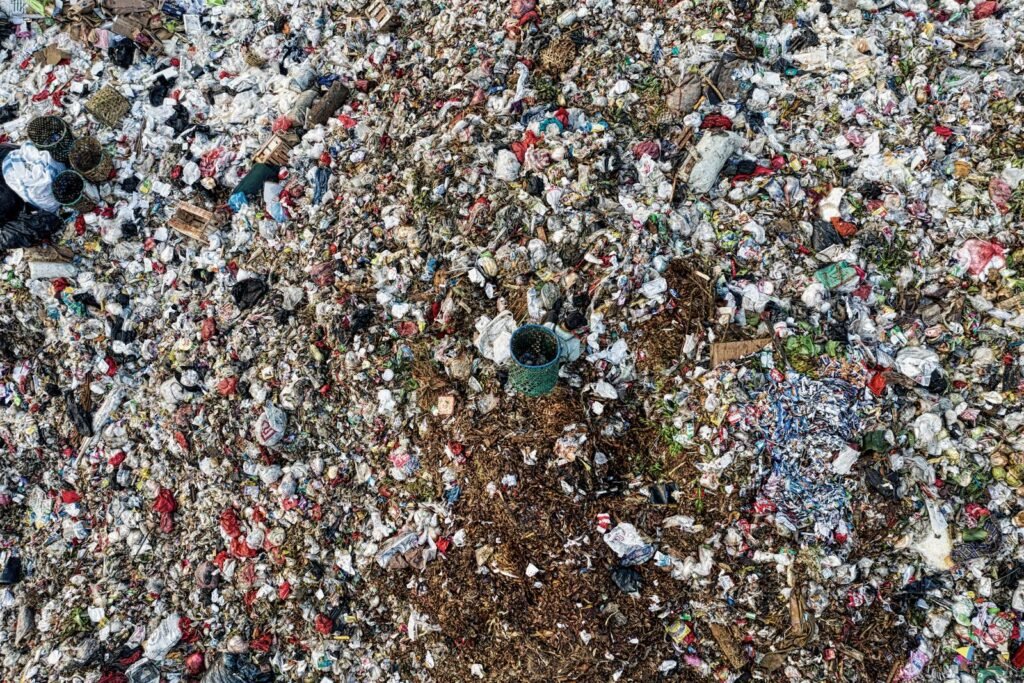
This is genuinely contested, and worth naming honestly rather than picking the more flattering claim. Some sources describe vegetable-tanned leather as biodegradable over years rather than centuries; others point out that tanning, by design, exists specifically to prevent the hide from breaking down the way it naturally would.
The fair summary: vegetable-tanned leather likely breaks down faster than chrome-tanned leather or synthetic plastic-based materials, but “biodegradable” in the same sense as an untreated natural fiber is an overstatement. Durability and biodegradability are somewhat in tension by nature, since the tanning process that makes leather last for decades is also what slows its eventual breakdown.
The Durability Counter-Argument
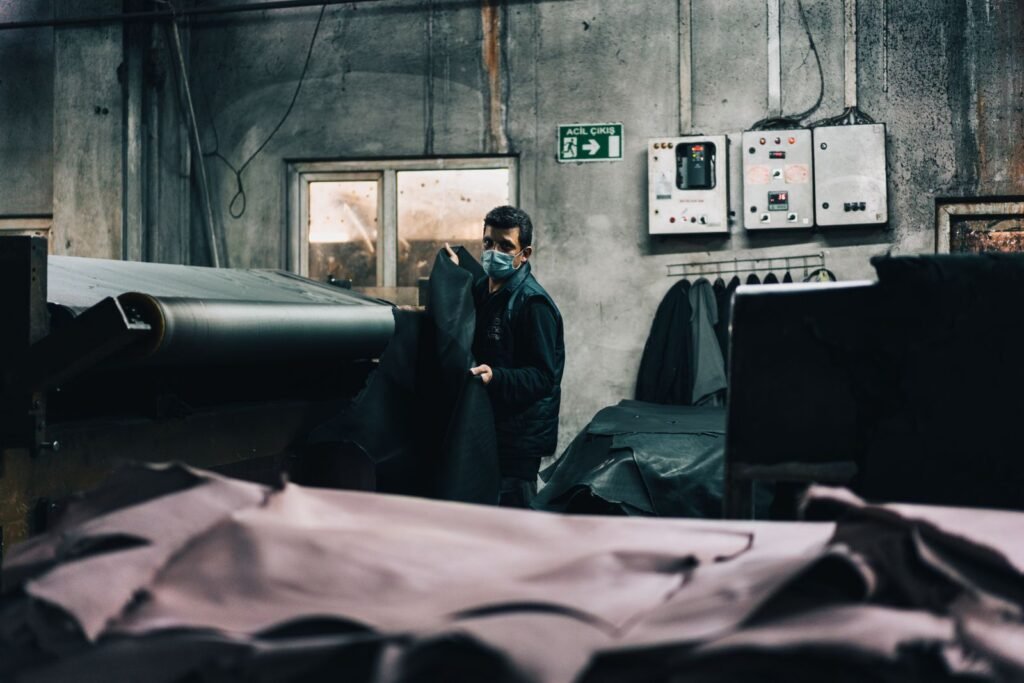
Where leather’s case gets genuinely stronger is lifespan. A well-made vegetable-tanned piece reasonably lasts 10 to 50 years with basic care, while synthetic PU or PVC leather typically lasts 6 to 18 months to a few years before it cracks, peels, or is discarded.
Spread across that lifespan, the “cost per year of use” math shifts meaningfully in leather’s favor even with a higher upfront carbon footprint, since it isn’t manufactured and discarded five, ten, or twenty times over the same period a single leather piece stays in service.
This argument only holds, though, if the piece is actually used for its full potential lifespan rather than replaced early out of boredom or trend-chasing. A leather bag discarded after two years for a new style captures none of the durability advantage and simply adds leather’s higher upfront footprint on top of a short service life, the worst outcome of either material.
What Actually Reduces Environmental Impact
Regardless of which material you land on, the single biggest lever remains the same: buy less, buy pieces built to last, and keep them in use rather than replacing them.
- Repair instead of replace when a piece is fixable — our repair versus replace guide covers how to make that call.
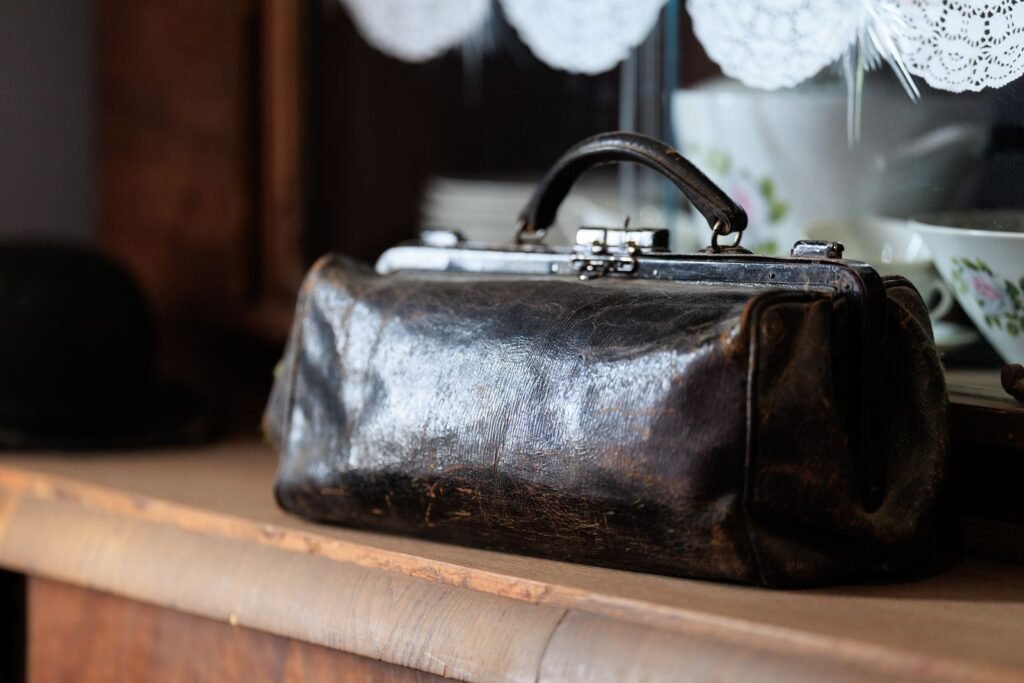
- Buy secondhand or vintage when a well-preserved piece is available — our vintage leather guide covers what to look for.
- Condition and maintain what you own to actually reach that 10-to-50-year lifespan rather than falling short of it through neglect.
- Buy fewer pieces overall, since the most sustainable version of any item is one that was never manufactured in the first place.
None of these steps require choosing a specific material as morally superior. They apply whether the piece in question is leather, a durable synthetic, or anything else, and they consistently move the needle further than any single material debate does on its own.
Frequently Asked Questions
Is leather worse for the environment than synthetic leather?
By raw carbon footprint per square meter, yes, leather’s production impact is higher. Factoring in lifespan and replacement frequency narrows or reverses that gap over years of actual use.
Does vegetable-tanned leather actually biodegrade?
Faster than chrome-tanned leather or synthetic materials, but the claim is contested. Tanning is designed to resist the natural breakdown process, which limits how fully “biodegradable” any tanned leather really is.
Is vegetable tanning better for the environment than chrome tanning?
Yes, specifically in wastewater impact. Vegetable tanning avoids the heavy-metal runoff associated with chrome tanning, though this doesn’t offset the separate carbon footprint of raising cattle.
Why does leather use so much more water than synthetic materials?
Most of that water use traces back to raising cattle, not the tanning process itself, which is a relatively smaller contributor to leather’s overall water footprint.
Is buying secondhand leather more sustainable than buying new?
Generally yes, since it avoids the upstream farming and tanning footprint entirely while extending the useful life of an existing piece.
What’s the single biggest factor in reducing leather’s environmental impact?
Longevity. Buying fewer, better-made pieces and actually using them for their full lifespan matters more than any single material choice.
For a detailed life-cycle breakdown of leather’s carbon impact, see Carbonfact’s leather carbon impact analysis, and for a critical look at vegetable-tanned leather sustainability claims, see Collective Fashion Justice’s leather myth-busting piece.