Oxblood Leather Tote: A Complete Buying & Care Guide
Oxblood is one of the few leather colors with an actual history behind it rather than a marketing name invented last season. It’s also one of the least forgiving colors to get wrong — which matters if you’re deciding whether our Oxblood Raw Tote is the right bag, or whether unlined leather is practical for your daily carry at all.
This guide covers both questions honestly: what the color actually is, how it compares to the reds people often confuse it with, and the real trade-offs of buying a tote with no interior lining at all.
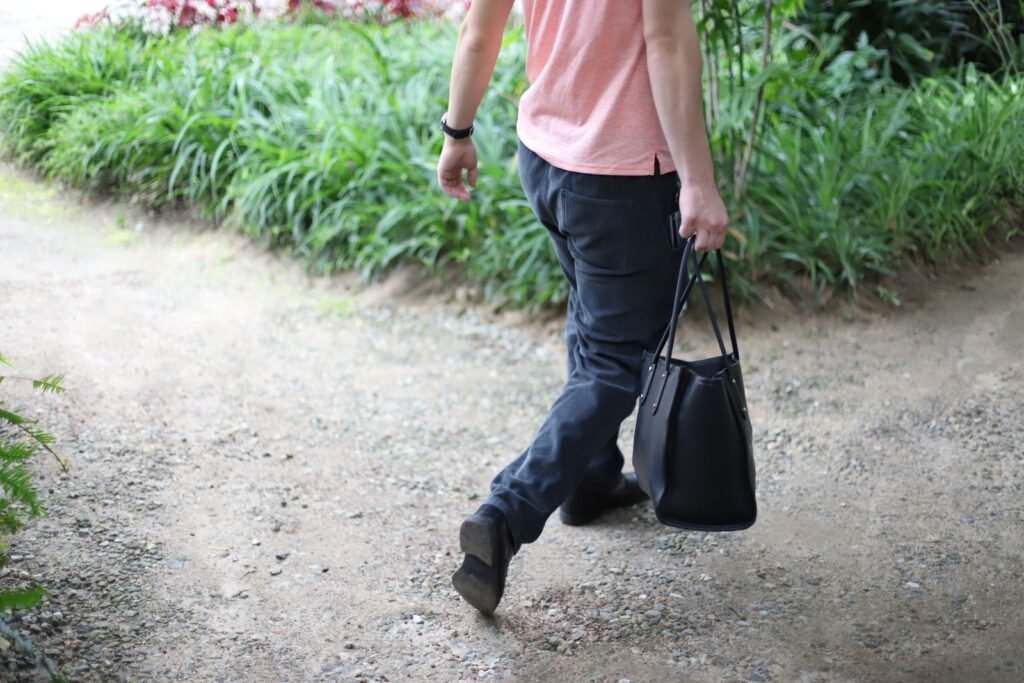
What Is Oxblood Leather, and Why Has It Stayed Popular for a Century?
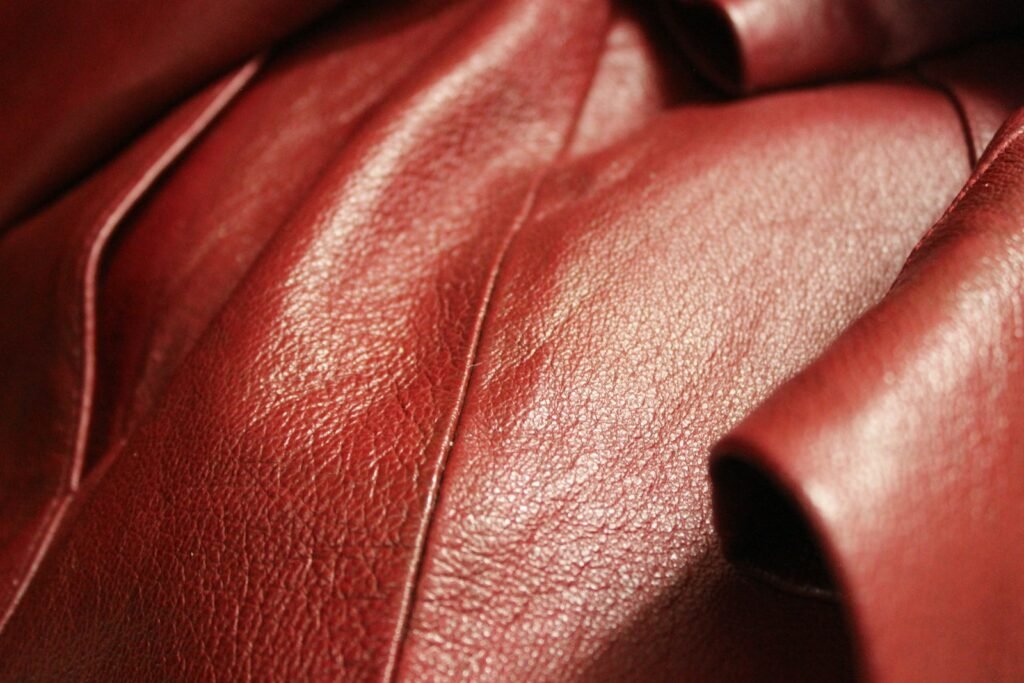
Oxblood is a deep maroon-red with brown undertones, named directly for the color of an ox’s blood, historically used as a natural leather dye. It became a defined fashion color in the 1920s and 1930s, first in men’s footwear, before spreading to handbags and gloves as an autumn staple.
For how Oxblood compares against our full color line, including which wardrobe types it fits best, see our leather bag color guide.
The color has resurfaced repeatedly ever since — most notably during the Fall/Winter 2012–2013 seasons — which is unusual longevity for a color trend. Its staying power comes down to versatility: oxblood reads as warm and rich without the formality of black or the casualness of tan.
Oxblood vs. Burgundy vs. Wine: What’s the Actual Difference?
These names get used almost interchangeably, but they describe slightly different points on the same color family. Burgundy leans more purple, named for the French wine region. Wine covers a broad, often brighter red-purple range. Oxblood sits distinctly on the brown side of that family — deeper, earthier, with far less purple than either.
In practice, that means oxblood pairs more naturally with browns, tans, and Hickory-toned leather than a true burgundy does, which leans toward black and cooler neutrals instead.
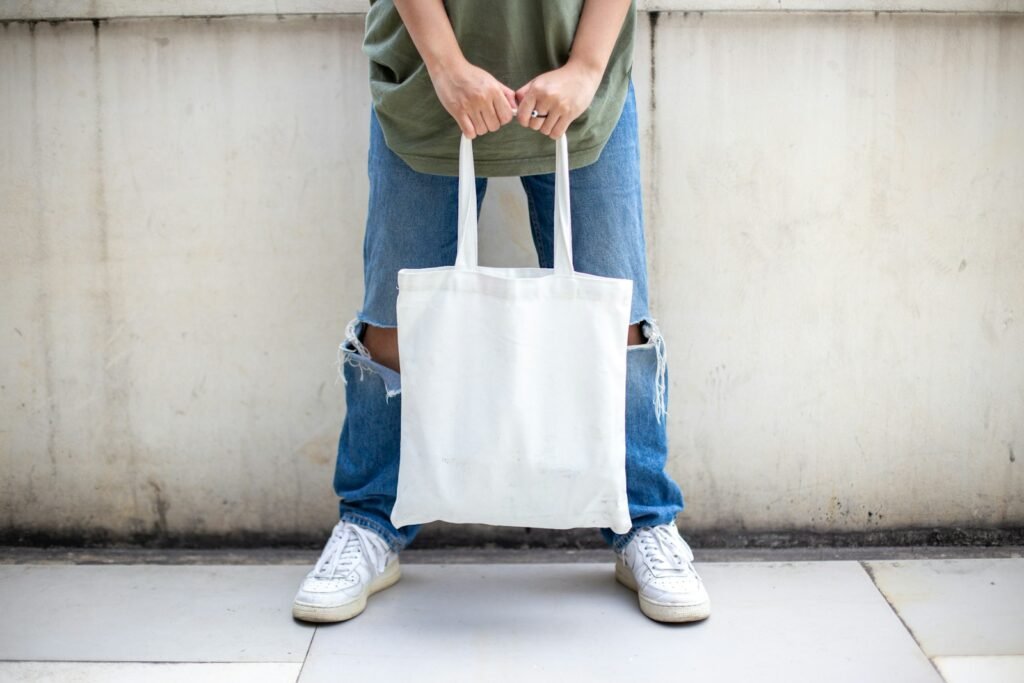
Leather Tote vs. Canvas Tote: Which Fits Your Commute?
| Leather Tote | Canvas Tote | |
|---|---|---|
| Weight | Heavier | About half the weight |
| Durability | 10+ years with care | 2–5 years of regular use |
| Maintenance | Periodic conditioning required | Machine washable, low upkeep |
| Weather tolerance | Needs protection from heavy rain | More weather-resistant |
| Look | Deliberate, develops a patina | Casual, softens and fades |
Canvas wins on low-maintenance daily practicality. Leather wins if you want the bag to look more considered a decade in than it did on day one — and if you’re carrying it into settings where that impression actually matters.
Cost is part of this too, even though it rarely gets mentioned honestly: a leather tote typically costs several times what a comparable canvas one does, and that premium is paying for longevity and a specific look, not a functional upgrade in carrying capacity or convenience. Neither bag is “better” in the abstract — the right one depends entirely on what you’re optimizing for.
Is an Unlined (“Raw”) Leather Tote Practical?
Our Raw Tote is genuinely unlined — worth addressing directly rather than glossing over, since it’s the single biggest practical trade-off in the bag.
| Unlined (“Raw”) | Lined | |
|---|---|---|
| Aesthetic | Raw, honest material; nothing hidden | Cleaner, more finished interior |
| Patina | Develops inside and out | Only the exterior ages |
| Risk with loose items | Pens, keys, and makeup can mark the interior | Lining absorbs most daily wear |
| Cleaning | Wipe only; stains can be permanent | Easier to keep tidy |
The honest answer: unlined leather is practical if you adjust one habit — keep loose pens, keys, and anything that can leak or mark contained in a small interior pouch rather than tossed in directly. That single change eliminates most of the real risk.
It’s worth being direct about what an unlined bag isn’t: it’s not the right choice if you regularly carry loose cosmetics, uncapped pens, or anything liquid without its own container. That’s not a flaw in the bag so much as a mismatch between the format and the use case.
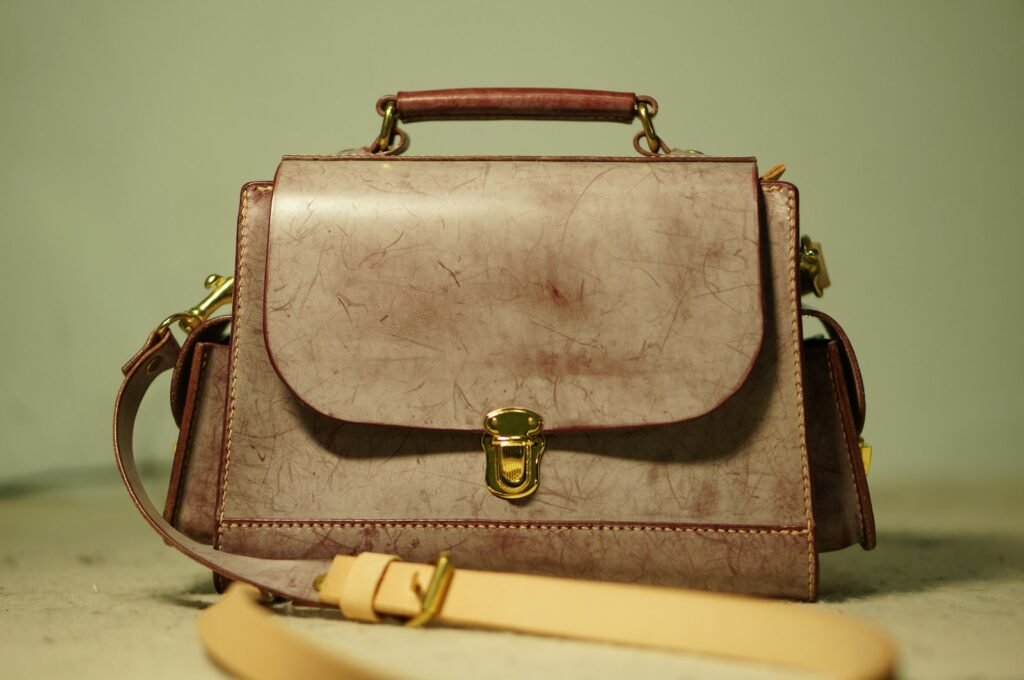
Our Oxblood Raw Tote, By the Numbers
| Spec | Detail |
|---|---|
| Dimensions | 13″ L × 3″ W × 15″ H |
| Leather | Custom vegetable-tanned Oxblood, unlined |
| Construction | Deconstructed, minimal internal structure |
| Best for | Daily commute essentials, not overstuffed loads |
| Price | $495 |
“Deconstructed” here means the tote skips heavy internal framing in favor of a softer, more natural drape — it’s designed to relax and mold to how you actually carry it rather than holding one rigid shape from day one.
Who the Raw Tote Is (and Isn’t) Right For
It’s the right bag if you want a single, deliberate accessory that improves with age and you’re willing to give it the small amount of attention that takes — a quick wipe, a periodic conditioning, a bit of care about what goes in loose.
It’s the wrong bag if you need something you can hand off to be tossed around, filled with wet gym clothes, or left to fend for itself in bad weather without a second thought. That’s a fair use case; it’s just a canvas tote’s use case, not this one’s.
For work specifically, it tends to suit open-capacity, casual-dress-code days better than a structured briefcase — teachers carrying grading and books are a common fit, covered alongside other professions in our leather goods by profession guide. It’s also one of the stronger teacher appreciation gift options for exactly that reason — our teacher and coach appreciation gift guide covers why it beats the usual mug-and-tote rotation.
Its size and structure also make it a strong fit for new parents specifically, as an alternative to a dedicated diaper bag. Our guide to stylish diaper bag alternatives covers how to set the Raw Tote up with an organizer pouch system for daily baby duty, and why it keeps working long after a purpose-built diaper bag would normally get retired.
It’s also one of our strongest Mother’s Day recommendations for exactly the same reasons — genuine capacity and a color that hides daily wear well. Our Mother’s Day gift guide covers how to budget for it by relationship and which other pieces suit different kinds of moms.
The same durability makes it a strong choice for a bridesmaid gift, since it’s built to outlast a single wedding weekend the way a robe or candle typically doesn’t. Our bridesmaid gift guide covers budgeting it for a full wedding party versus reserving it for the maid of honor specifically.
How Oxblood Leather Patinas Differently Than Other Colors
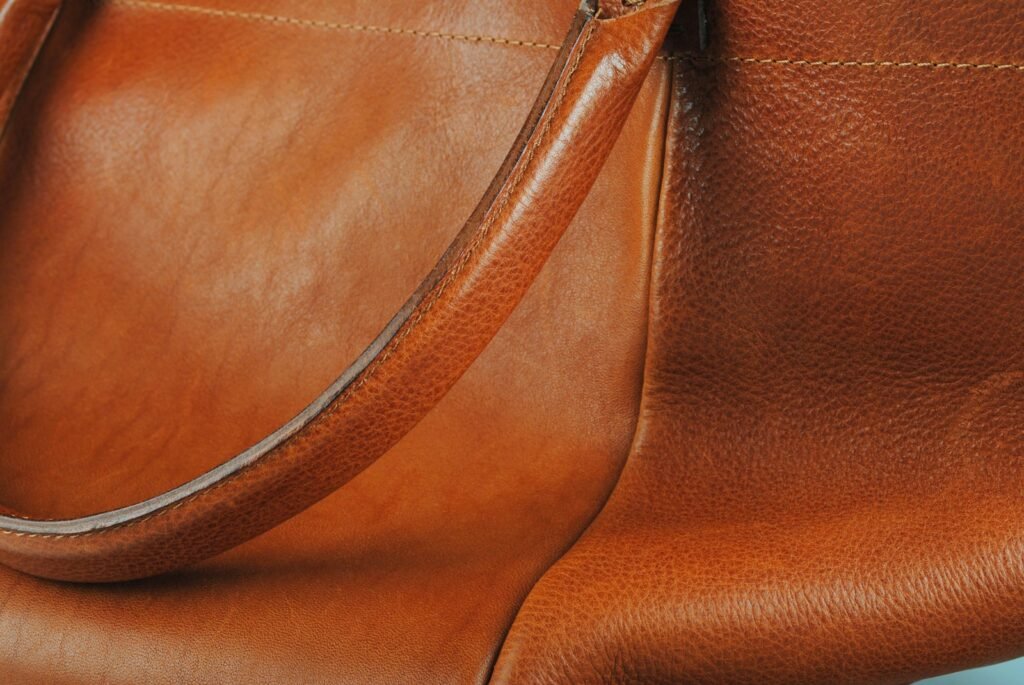
Every color in our line starts from the same vegetable-tanned hide, as we cover in our Horween leather guide — but the direction each takes with age varies. Oxblood tends to richen and deepen toward a darker maroon rather than lightening, which means high-contact points like the handles will darken into an even more saturated wine tone over the first year of use, instead of the amber-toward lightening you’d see on Hickory or Tobacco.
Caring for an Unlined Oxblood Tote
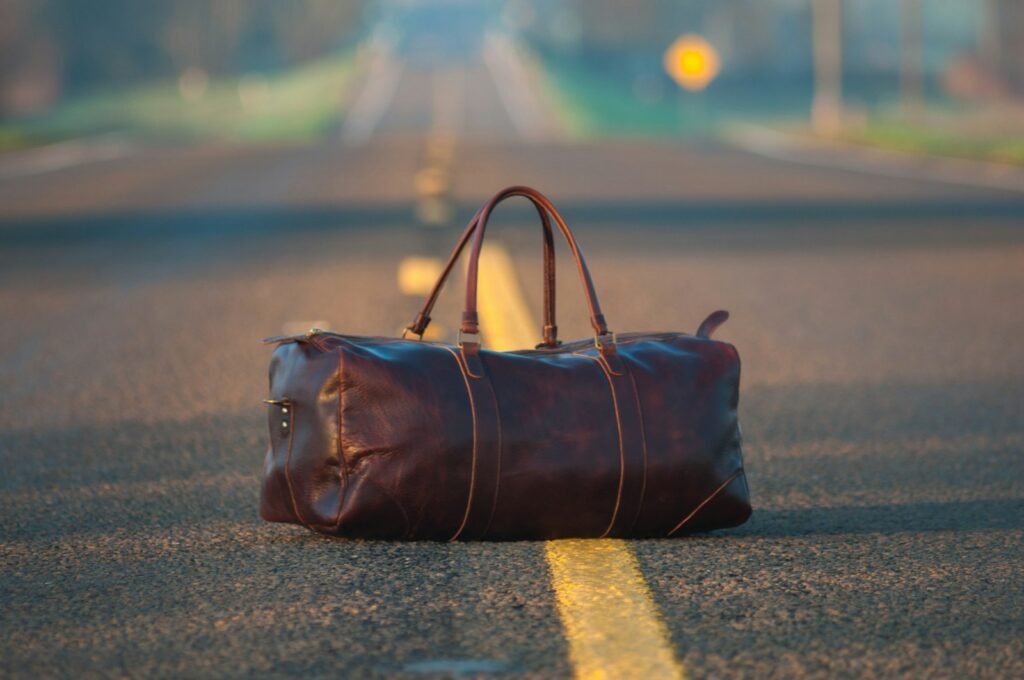
The core rules are the same as any vegetable-tanned piece — wipe, don’t soak; condition every few months — detailed fully in our leather care guide. Two habits specific to an unlined tote are worth adding on top: carry loose pens and keys in a small pouch rather than directly in the bag, and address any spill immediately with a dry cloth rather than letting it sit.
Frequently Asked Questions
What color is oxblood leather exactly?
Oxblood is a deep maroon-red with brown undertones, similar to bordeaux or dark burgundy, named for the historical use of ox blood as a natural leather dye.
Is an unlined leather tote hard to keep clean?
It requires one adjusted habit rather than heavy maintenance: keep loose items that could leak or mark contained in a small pouch, and wipe spills immediately rather than letting them soak in.
Is a leather tote or canvas tote better for daily commuting?
Canvas is lighter and lower-maintenance for pure daily practicality; leather is heavier and needs occasional conditioning but looks more deliberate and lasts significantly longer with care.
Does oxblood leather fade over time?
It doesn’t fade so much as deepen — high-contact areas typically darken toward a richer maroon with handling and light exposure, rather than lightening the way some other colors do.
How much can an oxblood raw tote realistically carry?
At 13″ L × 3″ W × 15″ H, it’s sized for daily commute essentials — a slim laptop, a notebook, everyday items — rather than heavy or bulky loads, given its deconstructed, minimally framed build.
What’s the difference between oxblood and burgundy leather?
Oxblood sits on the brown side of the deep-red family, while burgundy leans more purple. Oxblood pairs naturally with browns and tans; burgundy tends to pair better with black and cooler neutrals.
For more on oxblood’s history as a fashion color, see the Wikipedia entry on oxblood.